
Distillate Shock: How Energy Supply Volatility Creates Asymmetric Opportunities
The recent 185,000-barrel drop in U.S. distillate fuel production—a critical input for diesel, heating oil, and jet fuel—has sent shockwaves through global energy markets. This unforeseen shortfall, marking the first significant decline since 2020, underscores the fragility of supply chains amid geopolitical tensions and refinery constraints. For investors, this volatility creates a high-stakes environment where sector rotation strategies must align with asymmetric risks and rewards.
The Distillate Dilemma: Causes and Consequences
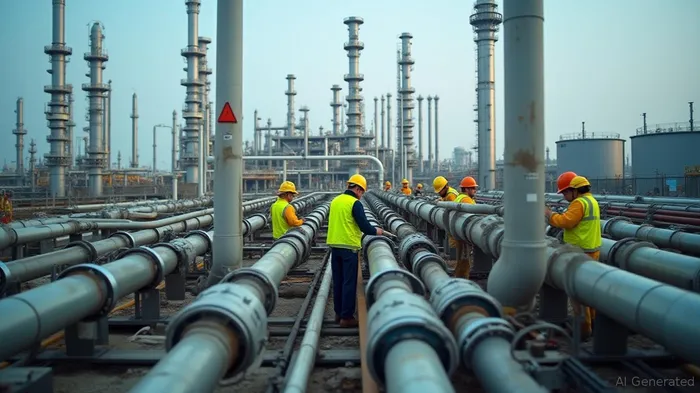
The production decline, reported by the U.S. Energy Information Administration (EIA), reverses a five-year average growth of 20,000–30,000 barrels daily. Analysts point to three primary drivers:
1. Refinery Maintenance Backlogs: Gulf Coast refineries, already operating at 84.5% of pre-pandemic capacity, faced unplanned shutdowns during Q2 maintenance cycles. The closure of LyondellBasell's Houston refinery (268,000 barrels/day) further strained output.
2. Geopolitical Risks: U.S.-Iran tensions, potential tariffs on Canadian/Mexican crude, and disruptions in Russian and Venezuelan exports have tightened global supply.
3. Biofuel Policy Uncertainty: The shift from flat tax credits to carbon-intensity-based incentives under the Inflation Reduction Act has deterred renewable diesel production, with output down 12% year-on-year.
The immediate impact is clear: distillate inventories fell to 114.8 million barrels (16% below the five-year average), pushing prices higher. The EIA forecasts jet fuel stocks to hit a 62-year low by 2026, amplifying concerns about winter heating costs and aviation fuel shortages.
Market Reactions: Winners and Losers
The production shock has created stark divergences in sector performance, offering investors a roadmap for tactical allocations.
Energy Sector: Bullish Momentum
Energy equities, particularly refiners (e.g., Marathon PetroleumMPC--, Phillips 66) and exploration & production firms (E&Ps), are poised to outperform. Higher fuel prices improve margins, while supply shortages could trigger long-term infrastructure investments. Renewable diesel producers like Diamond Green Diesel may rebound once tax credit clarity emerges.
Auto & Transportation: Bearish Pressure
Automakers and logistics firms face headwinds. Rising diesel prices compress margins for trucking companies, while consumer reluctance to purchase high-mileage vehicles in a cost-sensitive environment could weigh on auto sales. The EIA's backtest shows auto stocks underperforming by 2–3% within a month of such shocks.
Fed Policy: A Delicate Balancing Act
The Federal Reserve's response will hinge on whether the distillate shortage becomes persistent. A prolonged supply crunch could lift headline inflation, complicating the Fed's pivot toward rate cuts. However, Chair Powell has emphasized “core inflation” stability, suggesting the central bank may downplay short-term volatility. Investors should monitor:
- EIA Weekly Reports: Watch for inventory trends and refinery utilization rates.
- Geopolitical Developments: Sanctions on Iran/Venezuela and U.S.-Mexico trade relations.
Investment Strategy: Rotate with Caution
The asymmetric opportunity lies in capitalizing on sector divergence while hedging against macro risks.
- Overweight Energy:
- ETFs: XLE (S&P Oil & Gas Exploration & Production ETF) or XOP (SPDR S&P Oil & Gas Exploration & Production ETF).
Equities: Focus on refiners with Gulf Coast exposure (e.g., MPC, PSX) and E&Ps with low-cost production (e.g., CVX, COP).
Underweight Autos:
- Reduce exposure to auto ETFs like XCAR until diesel price trends stabilize.
Consider shorting trucking stocks (e.g., JBHT) or hedging with natural gas futures (NG=F) as a proxy for energy costs.
Monitor Geopolitical Catalysts:
- Track U.S.-Iran talks and Mexican refinery progress (Dos Bocas) for clues on supply relief.
Conclusion: Volatility as an Ally
The distillate shock has exposed a truth: energy markets are no longer “normalized.” Supply-side risks—whether from aging infrastructure, policy uncertainty, or geopolitical flashpoints—are here to stay. For investors, this volatility is a double-edged sword: it demands discipline but rewards agility.
The backtest reinforces the sectoral divide: energy outperforms for 57 days post-shock, while autos lag for 28. The playbook is clear: ride the energy wave, hedge the auto drag, and stay vigilant for geopolitical pivots. In this era of supply fragility, asymmetric opportunities are the new norm.

Stay ahead of the market.
Get curated U.S. market news, insights and key dates delivered to your inbox.




Comments
No comments yet