
Distillate Inventories Plunge: A Bullish Signal for Oil & Gas, Bearish for Autos
The U.S. Energy Information Administration (EIA) reported a sharp decline in distillate inventories last week, falling by 4.07 million barrels—far exceeding analysts' expectations of a 700,000-barrel drop. This data point, a key barometer of energy demand and refining activity, has sent shockwaves through markets, favoring oil and gas equities while pressuring automakers. The surprise contraction underscores a tightening supply-demand balance for diesel and heating oil, with implications for everything from refining margins to global trade flows.
The Data at a Glance
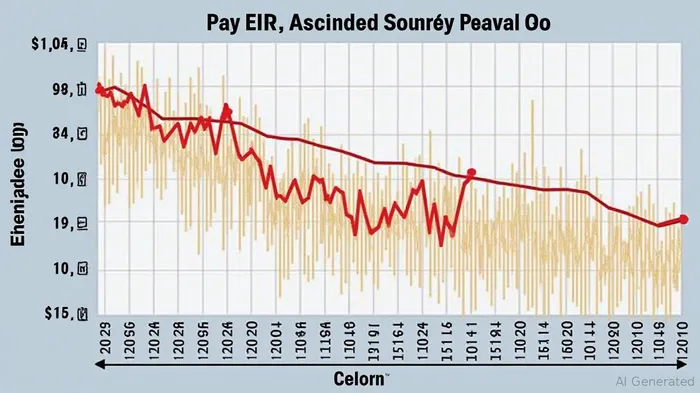
Distillate stocks, which include diesel, heating oil, and jet fuel, are a critical gauge of industrial and transportation activity. The EIA's weekly report revealed inventories now stand at 46 million barrels, a 13% deficit to the five-year average. This is the third consecutive week of declines, signaling robust demand for fuels used in freight, agriculture, and winter heating—a seasonal trend that could intensify as summer transitions to autumn.
Why This Matters for Investors
The inventory plunge has two immediate consequences:
1. Oil & Gas Sector Uptick: Refiners and producers benefit from tighter supply, which boosts refining margins and crude prices. Diesel's price surge (now near $3.50/gallon) directly lifts revenue for majors like ExxonMobil (XOM) and ChevronCVX-- (CVX), while midstream firms like Enterprise Products Partners (EPD) gain from increased throughput.
2. Auto Sector Pressure: Automakers reliant on diesel-powered vehicles or freight logistics face rising input costs. Trucking companies, a lifeline for manufacturers like Ford (F) and General MotorsGM-- (GM), see fuel expenses climb, squeezing profit margins. The EIA data reinforces the inverse relationship between distillate demand and automotive profitability.
Underlying Drivers
The inventory decline stems from a confluence of factors:
- Global Demand Surge: U.S. distillate exports hit a record high in 2024, with Asia and Europe absorbing excess supplies. However, geopolitical risks—like China's trade tariffs on U.S. fuels—could disrupt this trend.
- Refinery Constraints: Maintenance season for Gulf Coast refineries has reduced output, even as crude production holds steady at 13.6 million barrels/day. This mismatch between supply and demand is bullish for prices.
- Seasonal Dynamics: Winter heating demand typically drives a seasonal inventory drawdown. With stocks already below average, the coming months could see further tightening.
Backtest Component
The relationship between distillate inventories and sector performance is well-established:
Fed Implications
The EIA data adds fuel to the Federal Reserve's inflation concerns. Rising fuel costs could pressure the Fed to delay rate cuts, even as other sectors cool. Investors should monitor the next EIA report (due June 26) for signs of whether this trend is sustained or a temporary blip.
Investment Takeaways
- Overweight Oil & Gas: Consider ETFs like the Energy Select Sector SPDR Fund (XLE) or direct exposure to refiners such as ValeroVLO-- (VLO).
- Underweight Autos: Avoid automakers with diesel-heavy portfolios or high exposure to freight logistics until distillate prices stabilize.
- Monitor Exports: Track U.S. distillate export data—the key to global price dynamics. A slowdown in exports could ease supply pressures and reduce sector volatility.
Final Word
The EIA's surprise inventory drop is more than a data point—it's a signal of shifting energy market dynamics. For investors, this is a reminder that distillate stocks are a leading indicator of sector performance. With summer travel and autumn harvests on the horizon, the next few weeks will test whether this trend persists or reverses. Stay alert to inventory data and its ripple effects.
Next Watchlist: EIA's June 26 report, U.S. distillate export figures for June, and crude oil price movements above $75/barrel.

Stay ahead of the market.
Get curated U.S. market news, insights and key dates delivered to your inbox.
AInvest
PRO
AInvest
PRO



Comments
No comments yet