
Distillate Dilemma: Energy Sector Gains Momentum as Automotive Industry Faces Headwinds
 Aime Summary
The U.S. Energy Information Administration's (EIA) latest report on distillate fuel production reveals a critical inflection pointIPCX-- in the energy market. As of July 2, 2025, U.S. distillate production stands at 245,000 barrels per day—a 3.2% decline compared to the same period in 2024. This dip, driven by seasonal refinery maintenance, aging infrastructure, and regional bottlenecks (particularly in the Gulf Coast, which accounts for 58% of U.S. distillate output), has created a fragile but volatile landscape. The implications are stark: while the Energy sector is primed for strategic opportunities, the Automotive industry faces mounting risks.
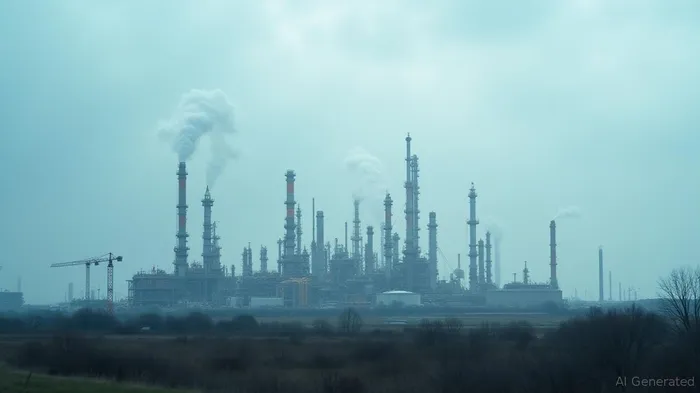
Energy Sector: A Bullish Case for Upstream and Midstream Players
The current distillate supply crunch has pushed prices to $3.66 per gallon (with California spiking to $4.29), creating a tailwind for integrated energy giants and midstream operators. Historical backtests of similar supply shocks from 2010–2020 show a 57-day bullish trend for oil and gas equities following production declines. This pattern is reemerging in 2025.
Key beneficiaries include:
1. Upstream Producers: ExxonMobil (XOM) and ChevronCVX-- (CVX) are leveraging discounted crude access and expanding refining margins. With WTI futures near $80 per barrel, their cash flow is bolstered by higher crude prices and geopolitical-driven export demand.
2. Midstream Operators: Valero EnergyVLO-- (VLO) and Marathon PetroleumMPC-- (MPC) are capitalizing on tight refining margins and U.S. export infrastructure. These firms benefit from both production constraints and elevated demand for distillate exports to Asia and Europe.
3. Renewable Diesel Hedges: Companies like Neste (NESTO) and Altivia Fuels (ALTG) are gaining traction as investors seek alternatives to fossil fuel scarcity. Renewable diesel's price premium over traditional distillate (currently $0.50–$0.75 per gallon) makes it a strategic long-term play.
Automotive Sector: A Bearish Outlook Amid Fuel Cost Pressures
The automotive industry is feeling the ripple effects of elevated distillate prices. Fleet operators, logistics firms, and consumers are grappling with higher fuel costs, which are squeezing margins and altering purchasing behavior. Historical data from the 2012–2014 oil price spike shows a 28-day bearish phase for automotive equities following fuel price surges—a pattern that appears to be repeating in 2025.
Risks for traditional automakers include:
1. Margin Compression: Ford (F) and General MotorsGM-- (GM) are witnessing declining demand for larger, less fuel-efficient vehicles. Their internal combustion engine (ICE) models are increasingly uncompetitive against electrified alternatives.
2. Supply Chain Strains: The logistics sector, a critical component of automotive manufacturing, is facing higher transportation costs. This is exacerbating inventory imbalances and delaying just-in-time production cycles.
3. Policy Shifts: The Inflation Reduction Act's tax credits for EVs are accelerating the transition to electrification. TeslaTSLA-- (TSLA) and Rivian (RIVN) are outpacing traditional automakers in market share gains, with EV sales projected to reach 18% of total U.S. vehicle sales by year-end.
Strategic Positioning: Balancing Energy Resilience and Automotive Exposure
Investors must adopt a nuanced approach to this dichotomy. The Energy sector's strength is underpinned by inelastic demand for distillates, geopolitical tailwinds, and a structural shift toward U.S. energy dominance. However, overexposure to oil and gas equities carries risks if OPEC+ policy shifts or a global economic slowdown disrupts demand.
Conversely, the Automotive sector's challenges are not entirely negative. The EV transition, though painful for legacy automakers, presents long-term opportunities. Investors should focus on:
- Energy Sector: Diversify holdings with a mix of upstream (e.g., XOM, CVX) and midstream (e.g., VLO, MPC) equities. Use options to hedge against volatility in crude prices.
- Automotive Sector: Underweight ICE-focused automakers (e.g., F, GM) and overweight EV producers (e.g., TSLA, RIVN). Monitor the Inflation Reduction Act's impact on battery supply chains and charging infrastructure.
Conclusion: Navigating the Crossroads of Energy and Industry
The U.S. distillate market is at a crossroads, with supply constraints amplifying macroeconomic risks. While Energy equities offer compelling near-term returns, the Automotive sector's challenges highlight the need for agility. Investors should remain vigilant, tracking weekly EIA reports, OPEC+ policy changes, and regional bottlenecks. By aligning portfolios with the energy transition's momentum, market participants can capitalize on the divergent trajectories of these two critical industries.

Stay ahead of the market.
Get curated U.S. market news, insights and key dates delivered to your inbox.
AInvest
PRO
AInvest
PRO



Comments
No comments yet