
The Digital Tides Turning: How Innovation is Reshaping Sustainable Maritime Logistics
The maritime sector, long a pillar of global trade, is at a crossroads. With shipping responsible for nearly 3% of global CO₂ emissions and under intensifying regulatory and market pressure to decarbonize, the race to innovate is no longer optional—it is existential. Enter digital climate action: a constellation of technologies and strategies that are transforming how ships navigate the seas, how cargo moves, and how emissions are tracked, measured, and reduced. For investors, this shift presents a rare opportunity to align profit with purpose.
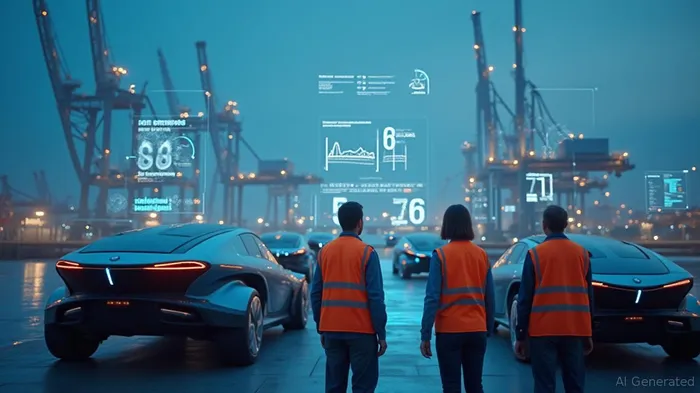
The Digital Foundations of Climate-Resilient Shipping
At the heart of this transformation are four pillars of digital innovation:
1. Real-Time Emissions Tracking: Systems like the Automatic Identification System (AIS), IoT sensors, and satellite data now provide granular insights into fuel consumption, voyage efficiency, and CO₂ emissions per voyage. This data is critical for compliance with regulations such as the EU's Corporate Sustainability Reporting Directive (CSRD) and the International Maritime Organization's (IMO) Data Collection System (DCS).
2. AI-Driven Optimization: Machine learning algorithms analyze vast datasets to optimize routes, reduce idle time, and balance cargo loads, cutting fuel use by up to 15% in some cases.
3. Blockchain for Transparency: Distributed ledger technology ensures immutable records of emissions data across stakeholders, from carriers to ports to regulators.
4. Digital Twins: Virtual replicas of ships and supply chains enable stress-testing of low-carbon fuels (e.g., methanol, ammonia) and operational changes before real-world deployment.
These tools are not incremental upgrades—they are foundational shifts. For instance, reveals a 240% increase in investments supporting maritime decarbonization, underscoring the financial sector's confidence in this transition.
Regulatory Pressures and Market Forces: A Double Catalyst
The push for sustainable shipping is being driven by two powerful forces:
1. Regulatory Mandates: The EU's inclusion of maritime transport in its Emissions Trading System (EU ETS) now ties carbon costs to trade volumes, while the IMO's 2030 target to slash emissions by 40% (vs. 2008 levels) is accelerating the adoption of digital compliance tools.
2. Investor and Customer Demands: Companies like Maersk and CMA CGM now offer “green shipping” options, with premiums of 10–20% for carbon-neutral routes. Investors, meanwhile, are demanding ESG-aligned disclosures, as seen in , which has surged by 180% year-over-year.
This dual pressure is creating a “win-win” scenario: digital solutions that cut emissions also reduce operational costs and attract premium clients.
Investment Themes to Watch
The maritime logistics value chain is ripe for disruption. Here are three actionable themes:
1. Digital Infrastructure Providers
Companies like IBM (IBM) and Microsoft (MSFT), which offer cloud-based logistics platforms and AI analytics, are critical enablers. Their partnerships with shipping giants (e.g., IBM's collaboration with Maersk on TradeLens) provide scalable solutions for emissions tracking and supply chain transparency.
2. Green Financing and Insurers
Financial institutions like J.P. Morgan (JPM) and BlackRock (BLK) are pivotal in funding decarbonization projects. Look for funds tied to tax equity deals for ports electrification or insurance providers like IPANDI expanding coverage for emissions-related liabilities.
3. Next-Gen Fuel Solutions
Startups like AtmosZero (backed by J.P. Morgan) and Generate Capital (with its $1.2B credit facility) are commercializing technologies such as “Boiler 2.0” to decarbonize steam systems. Meanwhile, companies investing in green hydrogen and ammonia production (e.g., Air Products (APD)) will benefit as these fuels gain adoption in shipping.
Risks and Considerations
While the trend is clear, challenges remain. Data fragmentation across ports and carriers persists, and some stakeholders resist sharing emissions metrics. Investors should prioritize firms with:
- Partnerships: Those collaborating with regulators or industry coalitions (e.g., the Global Maritime Forum).
- Scalability: Solutions that integrate seamlessly with existing infrastructure.
- Standardization: Technologies adhering to IMO and EU data protocols.
Conclusion: Navigating the Seas of Sustainable Returns
The maritime sector's digital climate revolution is not just about compliance—it is about redefining competitiveness. For investors, the path forward is clear:
- Allocate to enablers: Back tech firms and financial institutionsFISI-- driving digital decarbonization.
- Engage with disruptors: Look for startups and established players (e.g., CMA CGM's investments in methanol-powered vessels) pioneering zero-emission solutions.
- Monitor policy shifts: Track the EU's CSRD deadlines and the IMO's 2030 targets for clues on where capital will flow next.
The seas are changing—and so are the rules of the game. Those who harness digital climate action will not just survive but thrive in the coming decade.
Opportunity lies where innovation meets urgency. The digital transformation of maritime logistics is that intersection.

Delivering real-time insights and analysis on emerging financial trends and market movements.
Latest Articles
Stay ahead of the market.
Get curated U.S. market news, insights and key dates delivered to your inbox.






Comments
No comments yet