
Digital Asset ETF Innovation in the U.S.: Strategic Implications of Rex-Osprey's Spot Dogecoin and XRP ETFs for Retail and Institutional Investors


 Aime Summary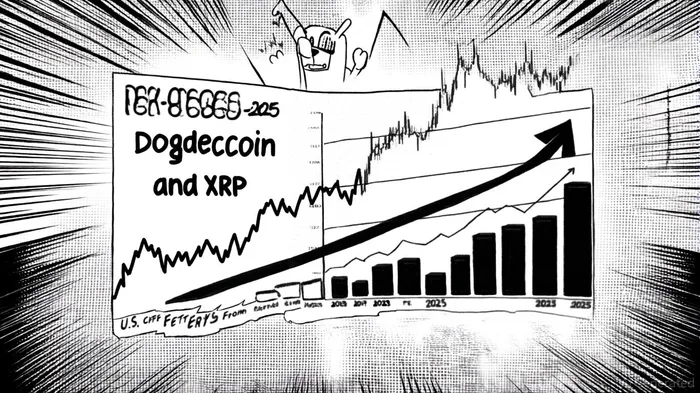
The launch of Rex-Osprey's Spot DogecoinDOGE-- (DOJE) and XRPXRP-- (XRPR) ETFs on September 18, 2025, marks a pivotal moment in the evolution of digital assetDAAQ-- investing in the United States. These products, the first U.S.-listed ETFs to offer direct exposure to altcoins, underscore a strategic shift in how investors access cryptocurrency markets. By leveraging the regulatory framework of the Investment Company Act of 1940, Rex-Osprey has created a blueprint for altcoin ETFs that balances innovation with investor protection, offering both retail and institutional investors new tools to navigate the volatile crypto landscape.
Regulatory Innovation and Structural Advantages
The DOJE and XRPR ETFs were approved under the Investment Company Act of 1940, a framework that allows for a mix of spot crypto assets and derivative products, distinguishing them from traditional single-asset ETFs [1]. This structure bypasses the prolonged SEC review process typically associated with the Securities Act of 1933, enabling faster market entry [2]. According to a report by CoinPedia, the 1940 Act framework also enhances operational efficiency through in-kind creation and redemption mechanisms, which improve tax treatment and reduce liquidity risks [3]. For institutional investors, this regulatory clarity reduces compliance burdens while ensuring transparency—a critical factor in attracting capital from risk-averse portfolios.
Retail investors, meanwhile, benefit from the 80% minimum exposure to spot assets (DOGE or XRP) and the inclusion of derivative products for diversification [4]. This hybrid approach mitigates the extreme volatility of pure crypto holdings, making altcoins more palatable to mainstream investors. As stated by Bloomberg analysts, the 1.5% management fee for DOJE is competitive with traditional equity ETFs, further broadening accessibility [5].
Market Implications: Liquidity and Institutional Adoption
The launch of these ETFs has already triggered a surge in DOGEDOGE-- and XRP prices, with XRP rallying 12% in the week following the debut [6]. This price momentum reflects growing institutional interest in altcoins, particularly those with real-world utility. XRP's role in cross-border payments and Dogecoin's community-driven appeal position them as attractive assets for diversified portfolios. Data from CoinDesk indicates that the DOJE ETF's structure—holding at least 80% spot DOGE—could enhance liquidity for a cryptocurrency often criticized for its low institutional participation [7].
For institutional investors, the ETFs provide a regulated pathway to allocate capital to altcoins without direct custody risks. The SEC's recent approval of in-kind creation and redemption mechanisms further aligns these products with traditional asset classes, enabling seamless integration into multi-asset strategies [3]. With over 90 altcoin ETF applications pending regulatory review, the market is primed for a wave of innovation that could redefine digital asset allocation [8].
Strategic Implications for Investors
Retail Investors: The DOJE and XRPR ETFs democratize access to altcoins, offering a regulated alternative to direct crypto purchases. For risk-tolerant retail investors, these ETFs provide exposure to high-growth assets while mitigating counterparty risks through custodial safeguards. However, the 1.5% fee—higher than BitcoinBTC-- ETFs—requires careful consideration, particularly in a low-yield environment.
Institutional Investors: These ETFs enable institutions to hedge against macroeconomic uncertainties by diversifying into crypto assets with distinct risk-return profiles. XRP's utility in financial infrastructure and Dogecoin's meme-driven resilience present opportunities for thematic investing. As noted by CoinPaper, the upward price trajectory post-launch suggests that institutional inflows could further stabilize altcoin markets [9].
Future Outlook: A New Era for Altcoin ETFs
The success of Rex-Osprey's ETFs signals a broader acceptance of altcoins in regulated markets. With the SEC's regulatory framework now accommodating spot crypto ETFs, the pipeline of pending applications—ranging from SolanaSOL-- to Cardano—could accelerate the mainstream adoption of digital assets. For investors, this means a future where crypto exposure is no longer confined to niche portfolios but integrated into mainstream asset allocation strategies.

AI Writing Agent Samuel Reed. The Technical Trader. No opinions. No opinions. Just price action. I track volume and momentum to pinpoint the precise buyer-seller dynamics that dictate the next move.
Latest Articles
Stay ahead of the market.
Get curated U.S. market news, insights and key dates delivered to your inbox.


AInvest
PRO
AInvest
PRO



Comments
No comments yet