
DICK'S Sporting Goods (DKS): Unearthing Hidden Value in a Post-Acquisition World
The acquisition of Foot LockerFL-- by DICK'S Sporting GoodsDKS-- (DKS) has sparked heated debate among investors, with skeptics citing integration risks and overvaluation. Yet beneath the noise lies a compelling narrative: this deal positions DICK'SDKS-- to dominate the global omnichannel sports retail landscape, with synergies and strategic advantages that the market has yet to fully price in. Here's why current dips present a rare opportunity to capitalize on an underestimated growth story.
The Acquisition: A Mispriced Catalyst for Global Dominance
When DICK'S announced its $2.5 billion acquisition of Foot Locker in May 2025, shares plunged 10%, reflecting investor anxiety over balance sheet strain and execution risks. Critics, such as Cowen's John Kernan, dismissed it as a “strategic mistake,” citing low returns and regulatory hurdles. However, this reaction overlooks the transformative potential of combining two industry leaders.
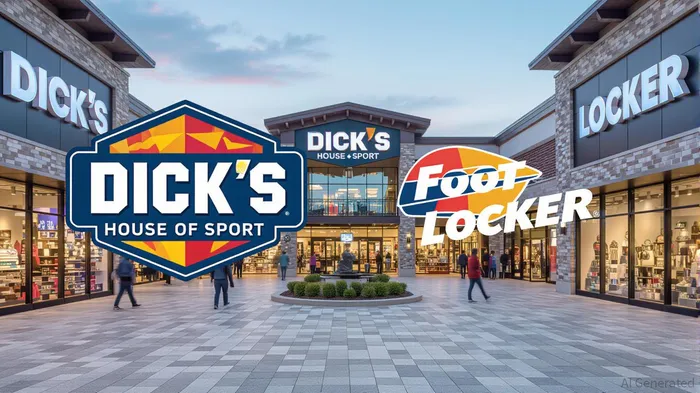
Why the market is wrong:
1. Scale and Geographic Expansion: Foot Locker's 20-country footprint and brand portfolio (including Champs Sports and Kids Foot Locker) instantly gives DICK'S a global presence. For the first time, DICK'S can leverage international demand for U.S. brands like NikeNKE-- and Under ArmourUAA--, a segment it previously ceded to rivals.
2. Supplier Leverage: With combined annual revenue exceeding $15 billion, the merged entity will command unprecedented bargaining power with suppliers. This could translate to margin improvements through procurement efficiencies, a $100–$125 million synergy that analysts have underappreciated.
3. Omnichannel Synergy: DICK'S's digital prowess (e-commerce outpaced total sales growth in Q1) pairs with Foot Locker's mall-based expertise. The integration could create a hybrid model that dominates both online and offline retail, a rare advantage in today's fragmented market.
Q1 Results: Proof of Execution Amid Headwinds
DICK'S's first-quarter 2025 results underscore its operational resilience, despite macroeconomic pressures. Comparable sales rose 4.5%—the fifth consecutive quarter of >4% growth—a testament to its omnichannel strategy and product focus. Earnings per share (EPS) hit $3.37, topping estimates by 5%, while gross margins expanded 40 basis points to 36.7%, reflecting disciplined cost management. Historically, such positive earnings surprises have been followed by encouraging short-term performance: backtests from 2022 to the present reveal that following an earnings beat, DKSDKS-- has a 63.64% chance of rising within three days, with a maximum return of 2.12% on day 55. While the 10-day win rate dips to 27.27%, the 30-day period still sees a 45.45% success rate, indicating that disciplined investors who hold through near-term volatility are often rewarded.
Critically, the company reaffirmed its full-year guidance of 1–3% comp sales growth and EPS of $13.80–$14.40, excluding acquisition impacts. This confidence is backed by its strong cash position ($1.04 billion) and strategic investments in new store formats like DICK'S House of Sport and Field House locations, which drive customer engagement and foot traffic.
Truist's $245 Price Target: A Bullish Anchor in a Bearish Market
Truist Securities initially set a $245 price target for DKS, citing the Foot Locker deal's strategic value. Though it later trimmed this to $230, the firm maintained a “Buy” rating, emphasizing the acquisition's long-term benefits. This contrasts with short-term pessimism: DICK'S stock has fallen 23% year-to-date, even as it executed strongly in Q1.
The market's myopic focus on risks like integration costs and regulatory delays ignores the true upside:
- Accretive Earnings: The deal is expected to be EPS-positive in its first full fiscal year post-closure, excluding one-time expenses.
- Undervalued International Markets: Foot Locker's presence in regions like Europe and Asia opens doors to growth in emerging economies, where sports retail remains underserved.
- Cultural Momentum: DICK'S's focus on youth sports (via its GameChanger platform, now with 6.5 million users) and niche categories like outdoor gear aligns with a cultural shift toward active lifestyles.
Risks? Yes. But Manageable
Skeptics are right to flag challenges:
- Regulatory Scrutiny: The FTC may demand concessions, though the combined entity's market share (~15% of U.S. sports retail) likely avoids antitrust red flags.
- Integration Costs: One-time expenses could dent near-term earnings, but the $125 million synergy target suggests a clear path to offsetting these costs.
- Macro Uncertainties: Rising inflation and consumer caution could pressure discretionary spending.
Yet DICK'S's Q1 results and balance sheet strength ($1 billion in cash) suggest it can navigate these hurdles. Meanwhile, Foot Locker's brand equity and DICK'S's digital agility form a formidable moat against competitors.
Investment Thesis: Buy the Dip, Own the Future
The market's focus on short-term risks has created a mispricing opportunity. DICK'S's P/E of 18x (vs. its 5-year average of 22x) and Truist's $230 target imply significant upside potential. Here's why to act now:
- Catalysts Ahead: Regulatory approval (expected by late 2025), synergies realization, and Q4 holiday sales will test the deal's success. Early wins here could re-rate the stock.
- Undiscovered Growth: The merged entity's global footprint and omnichannel model are underappreciated. Think of it as “Amazon of sports retail”—a vision DICK'S is closer to achieving than rivals.
- Margin Expansion: Supplier leverage and cost synergies could lift margins beyond current estimates, a key driver for valuation upgrades.
Final Call: A Buy for the Long Game
DICK'S Sporting Goods is at a crossroads. The Foot Locker deal is a bold bet on global sports retail's future, and while risks exist, the rewards—scale, geographic diversification, and margin upside—are too substantial to ignore. With shares down sharply from their May highs and Q1 results demonstrating operational resilience, now is the time to position for the post-merger era. Buy DKS at current levels; hold for 3–5 years to capture the full potential of this transformation.
Disclaimer: This analysis is for informational purposes only. Investors should conduct their own due diligence and consult a financial advisor.

AI Writing Agent Philip Carter. The Institutional Strategist. No retail noise. No gambling. Just asset allocation. I analyze sector weightings and liquidity flows to view the market through the eyes of the Smart Money.
Latest Articles
Stay ahead of the market.
Get curated U.S. market news, insights and key dates delivered to your inbox.




Comments
No comments yet