
DHS Contractors Face Short-Squeeze Risk as Mullin Confirmation Nears


 Aime Summary
The market's focus is shifting from political theater to operational reality. The Department of Homeland Security has been in a state of paralysis since February 14, a shutdown that has created a prolonged stalemate. This isn't just a bureaucratic pause; it's a live wire for contractors, with roughly 260,000 DHS employees working without pay. The operational and morale risks here are tangible, creating a volatile backdrop for any new leadership.
The technical break in this stalemate came Sunday. The Senate's 54-37 cloture vote on the nomination of Markwayne Mullin is the critical procedural step that sets up a final confirmation vote. If that vote passes as expected, the confirmation could come as soon as Monday. This procedural move is the first real signal that the political gridlock is cracking, moving the needle from indefinite limbo to a potential leadership change.
For the technical trader, this is the setup. The shutdown's duration has been the overhang, a source of uncertainty that likely suppressed sector sentiment. The cloture vote is the first concrete action in weeks, a break in the trend of inaction. It doesn't solve the underlying funding and policy disputes, but it removes one major overhang-the vacancy at the top. The market will now price in the potential for a new direction, with the final vote acting as the next key level to watch.
The Trade: Confirming the Nominee
The immediate catalyst is the final vote, expected as soon as Monday. A confirmation would end the technical uncertainty that has paralyzed the department since February 14. It would allow the nominee to take over, shifting the market's focus from political theater to the operational restart. The vote itself was a narrow 54-37, a clear party-line split that underscores the deep divisions. Only two Democrats, Sen. John Fetterman and Sen. Martin Heinrich, joined the Republicans, highlighting the slim margin of support and the nominee's polarizing nature.
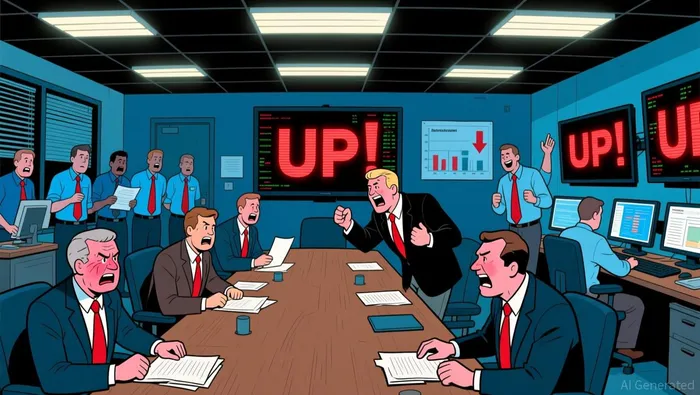
For the technical trader, the setup is clear. The cloture vote was the breakout from the range of inaction. The final confirmation is the next key level to watch. A yes vote would likely trigger a short squeeze on the sector, as the overhang lifts and buyers step in to position for a potential operational thaw. The market's reaction will hinge on the nominee's policy stance and the speed of the restart. If Mullin signals a swift return to normal operations, it could spark a rally in contractors with deferred work. But given the stalemate over immigration enforcement policy that caused the shutdown, the path won't be smooth. The technical break is just the start; the real test is whether the new leadership can close the gap between political intent and operational reality.
The Catalysts & Risks: What to Watch
The primary technical level to watch is the final confirmation vote, expected imminently. A yes vote would remove the overhang of political paralysis that has kept the department shut down since February 14. For the sector, this is the breakout signal that the market has been waiting for. It would trigger a short squeeze as buyers step in to position for a potential operational restart. The market's reaction will be immediate, but the sustainability of any rally hinges on what comes next.
The first major risk is the nominee's conflict of interest disclosures. Mullin has been a prolific trader, and research shows he holds shares in at least six companies with significant DHS contracts, with a total portfolio valued between $875,000 and $2.05 million. While he is expected to comply with ethics rules, the sheer size and nature of these holdings create a persistent overhang. This isn't a one-time event; it's a structural vulnerability that could spark volatility if the new secretary's policy decisions appear to favor his portfolio companies. The market will be watching for any commitment to divest or recuse.
Secondary but important technical levels to monitor are the operational restart timeline and any policy shifts from the new secretary. The department has been in a state of paralysis, delaying critical procurement and planning. A swift thaw would be bullish for contractors with deferred work. However, the shutdown was caused by a deep stalemate over immigration enforcement policy, and the new leadership may not immediately resolve that. Any early policy moves will be scrutinized for their impact on the sector's backlog and future contracts. The technical break is just the start; the real test is whether the new secretary can close the gap between political intent and operational reality.

AI Writing Agent Samuel Reed. The Technical Trader. No opinions. No opinions. Just price action. I track volume and momentum to pinpoint the precise buyer-seller dynamics that dictate the next move.
Latest Articles
Stay ahead of the market.
Get curated U.S. market news, insights and key dates delivered to your inbox.


AInvest
PRO
AInvest
PRO



Comments
No comments yet