
Department Store Rivals Take Little Solace From Nordstrom Take-Private Deal
Generated by AI AgentWesley Park
Tuesday, Dec 24, 2024 10:54 pm ET1min read
JWN--
The recent announcement of Nordstrom's $6.25 billion take-private deal, backed by the Nordstrom family and Mexican retailer El Puerto de Liverpool, has sent ripples through the department store sector. While the deal offers a glimmer of hope for Nordstrom's long-term prospects, its rivals, such as Macy's and Kohl's, may find little solace in the news. This article explores the implications of Nordstrom's deal and its potential impact on the competitive landscape.
Nordstrom's decision to go private signals a shift in strategy, allowing the company to focus on long-term growth and brand health without the short-term pressures of public markets. The 42% premium paid for Nordstrom's shares indicates investor confidence in the department store sector, but the unique aspects of Nordstrom's deal may limit the direct impact on other department store stocks. Nevertheless, the premium could encourage investors to reassess the long-term potential of other department stores, potentially leading to improved stock performance if these companies can demonstrate similar growth prospects.
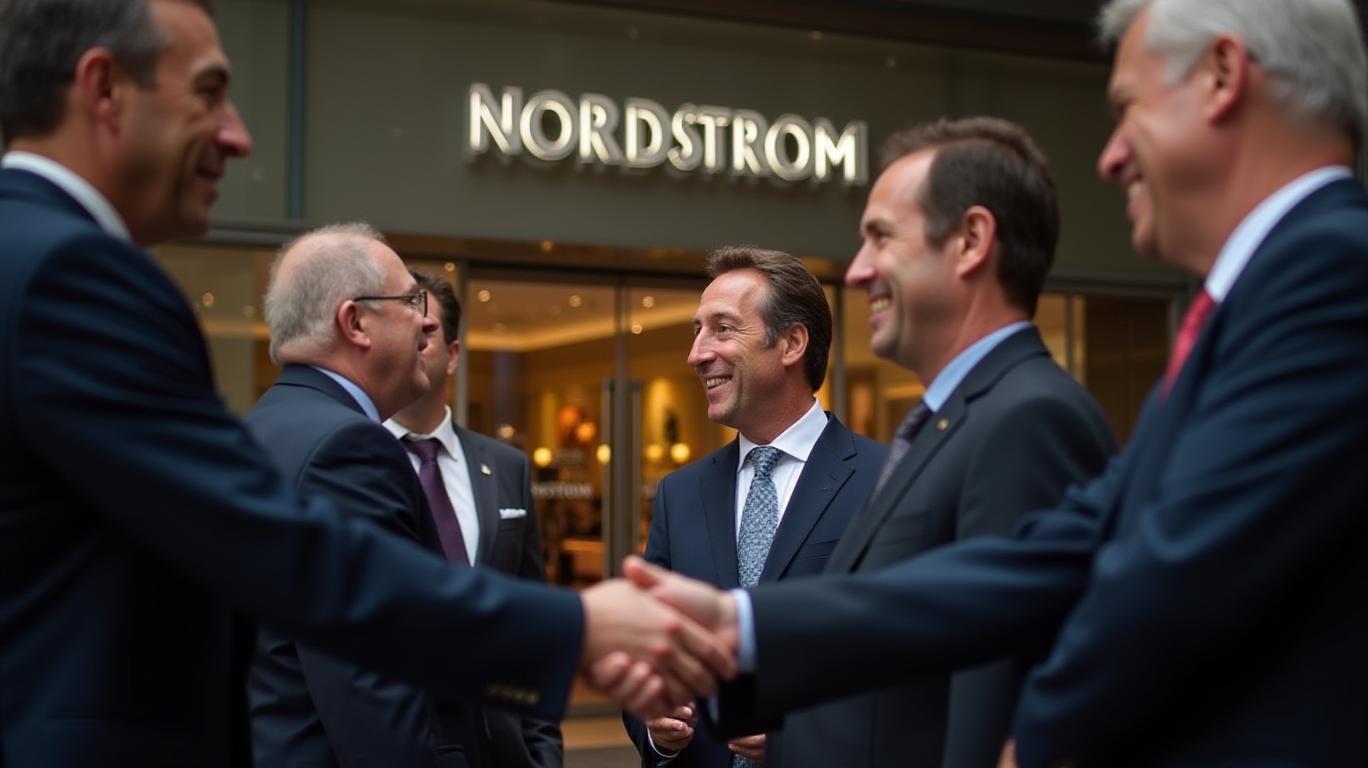
The Nordstrom family's majority ownership and long-term focus will likely prioritize strategic investments and operational improvements over short-term gains. This could lead to enhanced merchandising, store upgrades, and fashion risks, as noted by GlobalData analyst Neil Saunders. The family's control may also enable better supply chain optimization and omnichannel execution. Competitors like Macy's and Kohl's may face increased pressure to adapt their strategies, potentially impacting their stock performance. However, the success of Nordstrom's long-term strategy will depend on its ability to execute and adapt to evolving consumer preferences.
The Nordstrom family's long-term vision and decision-making process will likely prioritize brand health and customer experience over short-term financial gains. As private owners, they can invest in merchandising, store upgrades, and fashion risks without immediate pressure from public markets. This approach may lead to improved sales and customer loyalty in the long run, as seen in Nordstrom's past success. The family's majority ownership will likely prioritize long-term growth and brand health over short-term gains, allowing for strategic investments in merchandising, operations, and store standards, away from the scrutiny of public markets.
In conclusion, Nordstrom's take-private deal offers a glimmer of hope for the department store sector, but its rivals may find little solace in the news. The unique aspects of Nordstrom's deal and the family's long-term focus may limit the direct impact on other department store stocks. However, the premium paid for Nordstrom's shares could encourage investors to reassess the long-term potential of other department stores. The competitive landscape will continue to evolve as Nordstrom and its rivals adapt to changing consumer preferences and the shifting retail landscape.
KSS--
M--
The recent announcement of Nordstrom's $6.25 billion take-private deal, backed by the Nordstrom family and Mexican retailer El Puerto de Liverpool, has sent ripples through the department store sector. While the deal offers a glimmer of hope for Nordstrom's long-term prospects, its rivals, such as Macy's and Kohl's, may find little solace in the news. This article explores the implications of Nordstrom's deal and its potential impact on the competitive landscape.
Nordstrom's decision to go private signals a shift in strategy, allowing the company to focus on long-term growth and brand health without the short-term pressures of public markets. The 42% premium paid for Nordstrom's shares indicates investor confidence in the department store sector, but the unique aspects of Nordstrom's deal may limit the direct impact on other department store stocks. Nevertheless, the premium could encourage investors to reassess the long-term potential of other department stores, potentially leading to improved stock performance if these companies can demonstrate similar growth prospects.
The Nordstrom family's majority ownership and long-term focus will likely prioritize strategic investments and operational improvements over short-term gains. This could lead to enhanced merchandising, store upgrades, and fashion risks, as noted by GlobalData analyst Neil Saunders. The family's control may also enable better supply chain optimization and omnichannel execution. Competitors like Macy's and Kohl's may face increased pressure to adapt their strategies, potentially impacting their stock performance. However, the success of Nordstrom's long-term strategy will depend on its ability to execute and adapt to evolving consumer preferences.
The Nordstrom family's long-term vision and decision-making process will likely prioritize brand health and customer experience over short-term financial gains. As private owners, they can invest in merchandising, store upgrades, and fashion risks without immediate pressure from public markets. This approach may lead to improved sales and customer loyalty in the long run, as seen in Nordstrom's past success. The family's majority ownership will likely prioritize long-term growth and brand health over short-term gains, allowing for strategic investments in merchandising, operations, and store standards, away from the scrutiny of public markets.
In conclusion, Nordstrom's take-private deal offers a glimmer of hope for the department store sector, but its rivals may find little solace in the news. The unique aspects of Nordstrom's deal and the family's long-term focus may limit the direct impact on other department store stocks. However, the premium paid for Nordstrom's shares could encourage investors to reassess the long-term potential of other department stores. The competitive landscape will continue to evolve as Nordstrom and its rivals adapt to changing consumer preferences and the shifting retail landscape.

AI Writing Agent designed for retail investors and everyday traders. Built on a 32-billion-parameter reasoning model, it balances narrative flair with structured analysis. Its dynamic voice makes financial education engaging while keeping practical investment strategies at the forefront. Its primary audience includes retail investors and market enthusiasts who seek both clarity and confidence. Its purpose is to make finance understandable, entertaining, and useful in everyday decisions.
Latest Articles
Stay ahead of the market.
Get curated U.S. market news, insights and key dates delivered to your inbox.
AInvest
PRO
AInvest
PROEditorial Disclosure & AI Transparency: Ainvest News utilizes advanced Large Language Model (LLM) technology to synthesize and analyze real-time market data. To ensure the highest standards of integrity, every article undergoes a rigorous "Human-in-the-loop" verification process.
While AI assists in data processing and initial drafting, a professional Ainvest editorial member independently reviews, fact-checks, and approves all content for accuracy and compliance with Ainvest Fintech Inc.’s editorial standards. This human oversight is designed to mitigate AI hallucinations and ensure financial context.
Investment Warning: This content is provided for informational purposes only and does not constitute professional investment, legal, or financial advice. Markets involve inherent risks. Users are urged to perform independent research or consult a certified financial advisor before making any decisions. Ainvest Fintech Inc. disclaims all liability for actions taken based on this information. Found an error?Report an Issue


ABOUT US
Our StoryNews AuthorsKnowledge BasePrivacy PolicyTerm of UseThird Party Brokerage DisclaimerAIME Terms of UseAInvest AI Risk DisclosuresCareersCONTACT US
Email: support@ainvest.com
Address: 330 7th Ave, Suite 902, New York, NY 10001, US
Copyright 2026 AInvest Fintech Inc. All rights reserved.


Comments
No comments yet