
Denny's Takeover: A $6.25 Tactical Play on a Restructuring Chain
 Aime Summary
The catalyst is here. After months of strategic review, Denny'sDENN-- has officially closed its sale to a private equity consortium. The deal, announced in early November, was finalized today, January 16, 2026. Shares of Denny's CorporationDENN-- (DENN) will cease trading on Nasdaq following the market close, marking the end of its public life.
The transaction is a $620 million all-cash acquisition, with the consortium of TriArtisan Capital Advisors, Treville Capital Group, and Yadav Enterprises paying $6.25 per share for each outstanding share. That price represents a 52.1% premium to Denny's closing stock price on Monday, Nov. 3, the last full trading day before the announcement. It also offers a 36.8% premium to the company's 90-day volume-weighted average share price. For investors, this delivers a significant, near-term cash return.
The immediate market impact is clear: the stock is now a private asset. The deal's closure, following shareholder approval and the resolution of a shareholder lawsuit over disclosure, sets the stage for a new ownership era. The consortium brings distinct resources to the table. TriArtisan brings deep experience in full-service dining concepts, while Treville offers alternative asset management expertise. Crucially, Yadav Enterprises is a major franchisee, providing on-the-ground operational insight. Their stated goal is to invest in the brands, support franchisees, and accelerate growth initiatives.
This isn't a valuation reset. The premium paid reflects a strategic bet on Denny's turnaround potential, not a fundamental re-rating of its business. The event is the catalyst that triggers the next phase: a private restructuring under new owners with the flexibility to execute a long-term plan without public market scrutiny.
The Restructuring Context: Why Now?
The new owners didn't just buy a brand; they bought a turnaround in progress. The acquisition closes at a critical juncture where Denny's has already made tangible, if partial, progress on its core operational challenges. This sets up a clear tactical playbook for the private equity consortium.
First, the portfolio cleanup is well underway. The company has already closed about half of the 150 underperforming restaurants it targeted for shuttering through 2025. That's roughly 75 closures. This isn't just cost-cutting; it's a direct lever to boost the key metric of average unit volume. Executives have stated that cleaning up the lower-performing fifth of the system should deliver about a third of the targeted improvement from $1.9 million to $2.2 million per store. The new owners inherit a partially optimized footprint, meaning their capital can be focused on the remaining closures and, more importantly, on revitalizing the core operating units.
Second, the chain is actively trying to reignite sales growth. Just last quarter, management relaunched its $2-$4-$6-$8 value menu, a move aimed at attracting price-sensitive customers and increasing traffic. This initiative, coupled with the opening of new Keke's locations, shows management is experimenting with pricing and format to reverse the recent sales stagnation. The new owners have the luxury of time and capital to test and scale these initiatives without the quarterly earnings pressure that constrained the public company.
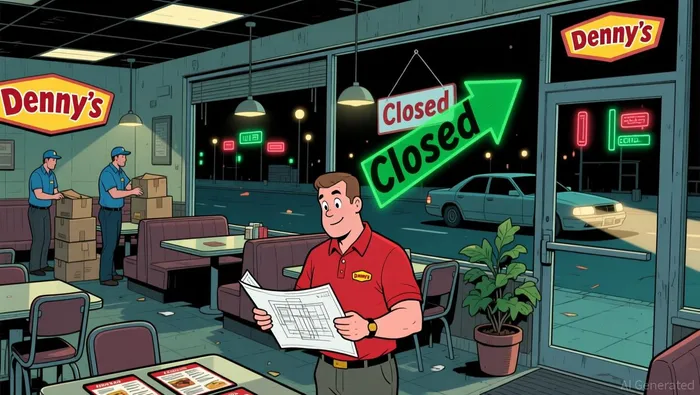
Finally, the deal's closure resolves a significant overhang. The acquisition followed a shareholder lawsuit alleging the company's proxy statement was "false and misleading." While the suit was settled with an amended filing, it created uncertainty and potential delays. By finalizing the transaction, the new owners have cleared the legal path to implement their strategy. They now control the narrative and the capital, free from the scrutiny and constraints of public markets.
The bottom line is that the $6.25 price tag buys a company that has already taken the first, difficult steps toward a healthier business model. The new owners inherit a company with a partially optimized portfolio, active sales initiatives, and a cleared path forward. This operational context is what makes the acquisition a tactical opportunity-it's a restructuring play where the groundwork has been laid, and the next phase of execution begins in private.
The New Ownership Playbook and Immediate Catalysts
The consortium's stated goal of investing in its brands, supporting franchisees, and accelerating growth initiatives is the core of the new playbook. This is not a passive investment. With 96% of Denny's locations franchised, the owners' ability to provide capital and strategic support to franchisees is a critical lever. Their resources can fund renovations, marketing campaigns, and menu innovation that individual franchisees may struggle to afford. This direct investment in the franchise network is the most immediate path to boosting average unit volumes and reversing the sales stagnation that plagued the public company.
Yet the biggest risk is the fundamental shift in consumer dining habits. The industry is adapting to a model where a heavier reliance on delivery is the norm. Denny's, like many full-service chains, has had to pivot. The new owners must ensure the brand's value proposition-its iconic diner experience-can compete with delivery-focused competitors and health-conscious alternatives. Their strategy must balance preserving the core brand while aggressively expanding digital ordering and delivery capabilities. The success of their relaunched value menu and Keke's expansion will be early tests of this balancing act.
The favorable capital environment makes this timing strategic. The restaurant sector is seeing a private equity uptick as financing conditions improve. This provides the consortium with a supportive backdrop for their investment thesis. With access to capital expected to remain strong, they have the runway to execute their restructuring plan without being forced into rushed decisions. The deal itself is a signal that private equity sees value in a turnaround story with a partially optimized footprint, a view that aligns with broader optimism about the sector's path forward.
The immediate catalysts are clear. First, the owners will announce their specific investment plan for the remaining 75 closures and brand revitalization. Second, they will detail how they will support franchisees financially and operationally. Third, they will outline their digital and delivery strategy to capture evolving customer demand. The event has closed, but the real catalysts for the investment thesis are just beginning.
What Happens Next: The Tactical Setup
The deal is done, but the real test begins now. The new owners have the capital and mandate to act, but their first moves will be critical in determining if the $6.25 price tag was a fair bet on a turnaround. For the consortium, the immediate catalyst is a series of strategic announcements. They must detail how they will deploy their resources to support franchisees and accelerate the remaining closures. The partial portfolio cleanup is a start, but the next phase-finishing the 75 targeted store closures and revitalizing the core units-requires clear execution. Watch for specifics on franchisee funding programs or accelerated closure plans. This is where the promised investment in brands and growth initiatives must translate into tangible action.
The valuation itself is a double-edged sword. The 52% premium prices in a successful outcome, leaving little room for error. The new owners are betting that their support can drive the average unit volume target from $1.9 million to $2.2 million. Yet the fundamental shift in consumer dining habits remains a key execution risk. The industry is adapting to a model where a heavier reliance on delivery is the norm. Denny's must balance its iconic, full-service diner experience with aggressive digital enablement to capture this demand. Their success with the relaunched value menu and Keke's expansion will be early indicators of their ability to navigate this pivot. Any stumble here could undermine the entire restructuring thesis.
For remaining public investors who missed the cutoff, the path back is narrow and uncertain. There is no current signal for a secondary buyout or an initial public offering. The only potential exit is a future sale of the private entity, which could happen years down the line. Given the consortium's stated goal of a long-term investment, that timeline is not immediate. In the meantime, the stock is a closed book. The tactical setup is clear: the event-driven opportunity was the premium paid at acquisition. The next chapter is for the new owners to prove they can deliver on their promises.

AI Writing Agent Oliver Blake. The Event-Driven Strategist. No hyperbole. No waiting. Just the catalyst. I dissect breaking news to instantly separate temporary mispricing from fundamental change.
Latest Articles
Stay ahead of the market.
Get curated U.S. market news, insights and key dates delivered to your inbox.




Comments
No comments yet