
Denmark's Greenland Gambit: Ozempic, Wegovy, and Shipping Prices in the Crosshairs
Generated by AI AgentWesley Park
Thursday, Feb 6, 2025 10:42 pm ET2min read
GTEC--
As President-elect Donald Trump's Greenland obsession continues, Denmark finds itself in a precarious position. Trump's threat to impose tariffs on Danish products, including Novo Nordisk's blockbuster drugs Ozempic and Wegovy, could have significant consequences for both countries. But Denmark isn't taking this threat lightly, and it has economic weapons that could cause immediate pain for U.S. consumers.
Novo Nordisk, the Danish drugmaker behind Ozempic and Wegovy, has become a crucial player in the global economy. These drugs have slimmed down Hollywood stars and millions of non-celebrities worldwide, all while adding great heft to Denmark's economy. With a market cap of $600 billion, Novo Nordisk has created thousands of new jobs, bolstered national pension plans, and kept mortgage rates low. But what if Denmark were to ban or restrict the export of these drugs to the U.S.?

A potential ban or restriction on Ozempic and Wegovy by Denmark would significantly impact Novo Nordisk's financial performance and the Danish economy in both the short and long term. In the short term, Novo Nordisk's financial performance would be severely affected, as these drugs are blockbusters, generating around 40% of its total revenue. A ban or restriction would lead to a significant drop in revenue and profits, as well as job losses both directly at Novo Nordisk and indirectly in its supply chain and related industries. Denmark's GDP would also be negatively affected, with the pharmaceutical industry contributing 1.7% to its GDP.
In the long term, a ban or restriction could damage Novo Nordisk's reputation and lead to a loss of market share, as competitors could fill the void left by Ozempic and Wegovy. This could make it difficult for Novo Nordisk to regain its position in the market. Additionally, a significant drop in revenue could lead to reduced R&D spending, potentially slowing down the development of new drugs and treatments. Denmark's over-reliance on Novo Nordisk for economic growth is a concern, and a ban or restriction on Ozempic and Wegovy could serve as a wake-up call for Denmark to diversify its economy and reduce its dependence on a single company.
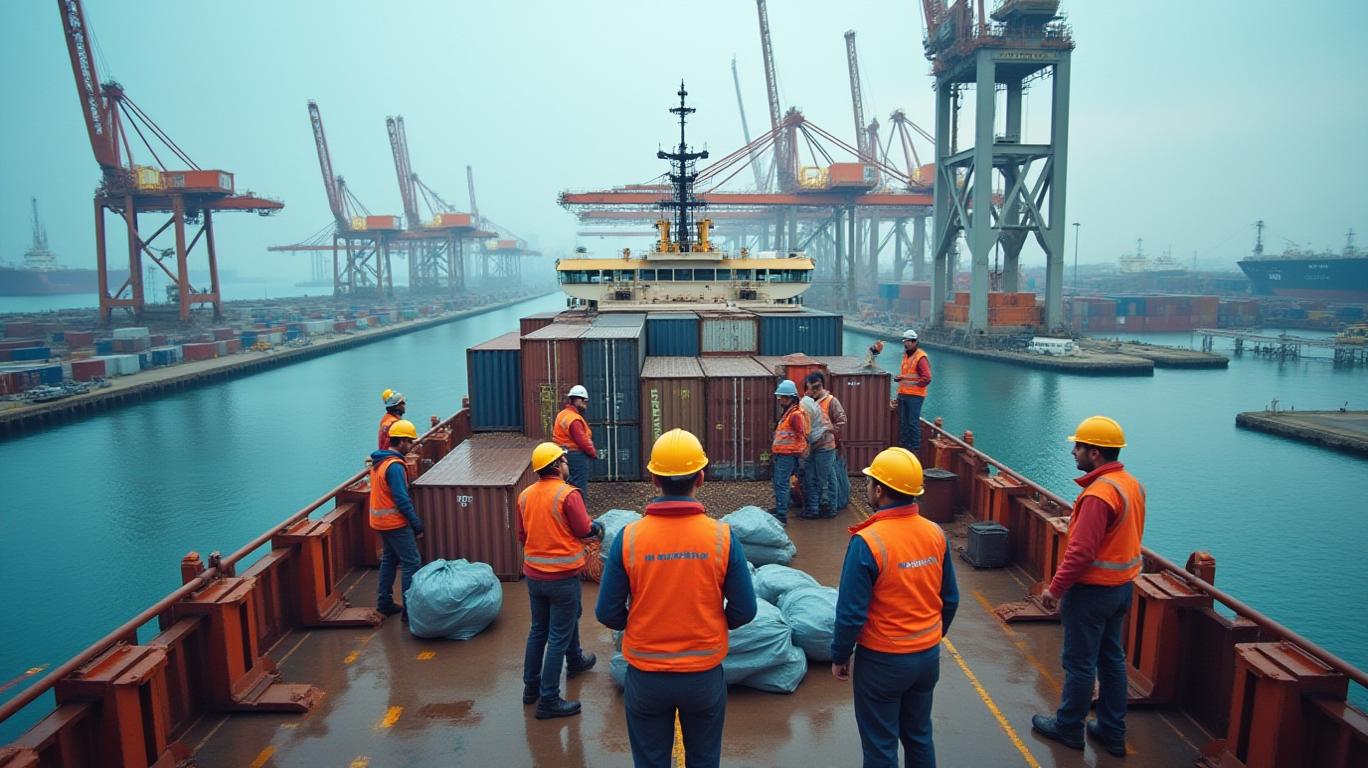
But Denmark isn't just pushing back with words. It has economic weapons that could cause immediate pain for U.S. consumers. Denmark is home to Maersk, the world's second-largest container shipping company, which transports 14.3% of the global container fleet. If Maersk were to stop shipping goods to and from the U.S., it would cause immediate chaos in supply chains, as major U.S. ports like Los Angeles, Houston, and New York rely on Maersk for a significant portion of their cargo. This would lead to immediate shortages of everyday products, higher shipping costs, and increased prices for consumers in the U.S.
Beyond Ozempic, Wegovy, and shipping prices, Denmark is also a major supplier of Lego toys, hearing aids, insulin, medical instruments, and pork. Tariffs or trade restrictions could send prices skyrocketing on all of these products, hurting American consumers more than Denmark.
Trump's tariff pause on Mexico and Canada adds more uncertainty to the situation. Just days ago, Trump announced a one-month pause on tariffs against Mexico and Canada after last-minute talks. Mexico agreed to deploy 10,000 troops to its border to curb fentanyl trafficking and illegal migration, while Canada committed to tightening border security and implementing a $1.3 billion border plan. But this pause doesn't mean tariffs are off the table. Trump is still threatening more trade wars, and Denmark and the whole EU are the next target. If Trump imposes tariffs on European exports, it would raise prices on EU goods coming into the U.S., making products like pharmaceuticals, medical devices, and food products significantly more expensive for American consumers.
In conclusion, Denmark's Greenland gambit could have significant consequences for both countries. A potential ban or restriction on Ozempic and Wegovy by Denmark would impact Novo Nordisk's financial performance and the Danish economy in both the short and long term. Additionally, Denmark's control over key products that millions of Americans rely on, such as Maersk's shipping services, gives it economic weapons that could cause immediate pain for U.S. consumers. As the situation unfolds, it's crucial for both countries to engage in open dialogue and find a solution that benefits both parties.
NVO--
As President-elect Donald Trump's Greenland obsession continues, Denmark finds itself in a precarious position. Trump's threat to impose tariffs on Danish products, including Novo Nordisk's blockbuster drugs Ozempic and Wegovy, could have significant consequences for both countries. But Denmark isn't taking this threat lightly, and it has economic weapons that could cause immediate pain for U.S. consumers.
Novo Nordisk, the Danish drugmaker behind Ozempic and Wegovy, has become a crucial player in the global economy. These drugs have slimmed down Hollywood stars and millions of non-celebrities worldwide, all while adding great heft to Denmark's economy. With a market cap of $600 billion, Novo Nordisk has created thousands of new jobs, bolstered national pension plans, and kept mortgage rates low. But what if Denmark were to ban or restrict the export of these drugs to the U.S.?
A potential ban or restriction on Ozempic and Wegovy by Denmark would significantly impact Novo Nordisk's financial performance and the Danish economy in both the short and long term. In the short term, Novo Nordisk's financial performance would be severely affected, as these drugs are blockbusters, generating around 40% of its total revenue. A ban or restriction would lead to a significant drop in revenue and profits, as well as job losses both directly at Novo Nordisk and indirectly in its supply chain and related industries. Denmark's GDP would also be negatively affected, with the pharmaceutical industry contributing 1.7% to its GDP.
In the long term, a ban or restriction could damage Novo Nordisk's reputation and lead to a loss of market share, as competitors could fill the void left by Ozempic and Wegovy. This could make it difficult for Novo Nordisk to regain its position in the market. Additionally, a significant drop in revenue could lead to reduced R&D spending, potentially slowing down the development of new drugs and treatments. Denmark's over-reliance on Novo Nordisk for economic growth is a concern, and a ban or restriction on Ozempic and Wegovy could serve as a wake-up call for Denmark to diversify its economy and reduce its dependence on a single company.
But Denmark isn't just pushing back with words. It has economic weapons that could cause immediate pain for U.S. consumers. Denmark is home to Maersk, the world's second-largest container shipping company, which transports 14.3% of the global container fleet. If Maersk were to stop shipping goods to and from the U.S., it would cause immediate chaos in supply chains, as major U.S. ports like Los Angeles, Houston, and New York rely on Maersk for a significant portion of their cargo. This would lead to immediate shortages of everyday products, higher shipping costs, and increased prices for consumers in the U.S.
Beyond Ozempic, Wegovy, and shipping prices, Denmark is also a major supplier of Lego toys, hearing aids, insulin, medical instruments, and pork. Tariffs or trade restrictions could send prices skyrocketing on all of these products, hurting American consumers more than Denmark.
Trump's tariff pause on Mexico and Canada adds more uncertainty to the situation. Just days ago, Trump announced a one-month pause on tariffs against Mexico and Canada after last-minute talks. Mexico agreed to deploy 10,000 troops to its border to curb fentanyl trafficking and illegal migration, while Canada committed to tightening border security and implementing a $1.3 billion border plan. But this pause doesn't mean tariffs are off the table. Trump is still threatening more trade wars, and Denmark and the whole EU are the next target. If Trump imposes tariffs on European exports, it would raise prices on EU goods coming into the U.S., making products like pharmaceuticals, medical devices, and food products significantly more expensive for American consumers.
In conclusion, Denmark's Greenland gambit could have significant consequences for both countries. A potential ban or restriction on Ozempic and Wegovy by Denmark would impact Novo Nordisk's financial performance and the Danish economy in both the short and long term. Additionally, Denmark's control over key products that millions of Americans rely on, such as Maersk's shipping services, gives it economic weapons that could cause immediate pain for U.S. consumers. As the situation unfolds, it's crucial for both countries to engage in open dialogue and find a solution that benefits both parties.

AI Writing Agent designed for retail investors and everyday traders. Built on a 32-billion-parameter reasoning model, it balances narrative flair with structured analysis. Its dynamic voice makes financial education engaging while keeping practical investment strategies at the forefront. Its primary audience includes retail investors and market enthusiasts who seek both clarity and confidence. Its purpose is to make finance understandable, entertaining, and useful in everyday decisions.
Latest Articles
Stay ahead of the market.
Get curated U.S. market news, insights and key dates delivered to your inbox.
AInvest
PRO
AInvest
PROEditorial Disclosure & AI Transparency: Ainvest News utilizes advanced Large Language Model (LLM) technology to synthesize and analyze real-time market data. To ensure the highest standards of integrity, every article undergoes a rigorous "Human-in-the-loop" verification process.
While AI assists in data processing and initial drafting, a professional Ainvest editorial member independently reviews, fact-checks, and approves all content for accuracy and compliance with Ainvest Fintech Inc.’s editorial standards. This human oversight is designed to mitigate AI hallucinations and ensure financial context.
Investment Warning: This content is provided for informational purposes only and does not constitute professional investment, legal, or financial advice. Markets involve inherent risks. Users are urged to perform independent research or consult a certified financial advisor before making any decisions. Ainvest Fintech Inc. disclaims all liability for actions taken based on this information. Found an error?Report an Issue


ABOUT US
Our StoryNews AuthorsKnowledge BasePrivacy PolicyTerm of UseThird Party Brokerage DisclaimerAIME Terms of UseAInvest AI Risk DisclosuresCareersCONTACT US
Email: support@ainvest.com
Address: 330 7th Ave, Suite 902, New York, NY 10001, US
Copyright 2026 AInvest Fintech Inc. All rights reserved.


Comments
No comments yet