
The Demise of the Farmers' Almanac and Its Implications for Niche Media and Consumer Trust


 Aime Summary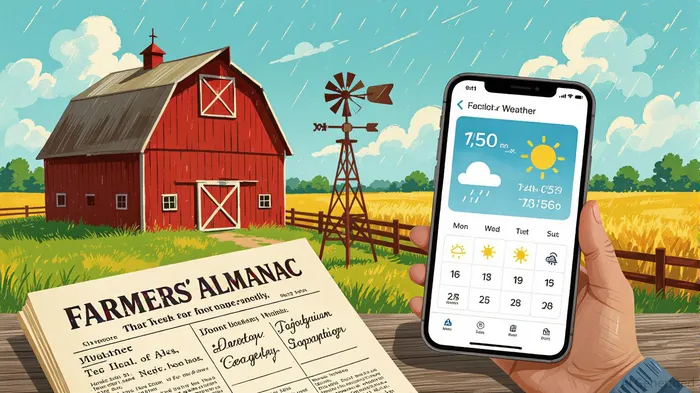
The end of the 's 208-year print run in 2026 marks more than the closure of a beloved publication—it signals a broader crisis for legacy media brands struggling to adapt to a digital-first world. For investors, the Almanac's demise raises critical questions about the sustainability of niche media, the erosion of cultural touchstones, and the long-term risks of clinging to outdated business models. As print demand wanes and consumer trust shifts toward digital platforms, the Almanac's story offers a cautionary tale for media companies and their stakeholders.
The Almanac's Decline: A Microcosm of Media's Struggles
The Farmers' Almanac's decision to cease print publication in 2026, announced in August 2025, , the Almanac could not offset the rising costs of print production, distribution, and the declining relevance of its content in an age of real-time weather apps and AI-driven forecasts. Its final print edition, priced as a collectible, now competes with free digital tools that offer hyperlocal data and algorithmic precision.
This mirrors the struggles of other legacy media brands. The New York Times, for instance, , exposing vulnerabilities in its digital transition. Similarly, the Washington Post. For niche media like the Almanac, the stakes are even higher: their survival depends on maintaining a unique identity while adapting to a market that increasingly values immediacy and personalization.
Shifting Consumer Behavior and the Erosion of Trust
The Almanac's decline underscores a deeper shift in consumer behavior. Modern audiences, particularly younger demographics, prioritize digital experiences that are interactive, data-rich, and tailored to their needs. The Almanac's reliance on long-range forecasts and folk wisdom—once a cultural touchstone—now feels quaint compared to the real-time insights of platforms like Weather.com or AccuWeather. This shift has eroded trust in traditional media, as consumers question the relevance of content that cannot compete with algorithmic accuracy.
Investors must recognize that trust is a fragile asset. Legacy brands risk alienating audiences if they fail to align with evolving expectations. The New York Times' 2020 op-ed controversy, which led to resignations and public backlash, illustrates how institutional trust can unravel when editorial values clash with digital-era demands. For niche media, the challenge is even greater: their brand equity is often tied to heritage, yet their survival depends on innovation.
Investment Risks and Opportunities in Digital Transition
The transition to digital is fraught with risks for legacy media. The financial burden of overhauling infrastructure, redesigning content strategies, and competing with tech giants is immense. For example, the Farmers' Almanac's pivot to digital memberships and online forecasts may not recoup the losses from print. Similarly, the New York Times' reliance on AI-driven personalization, while boosting engagement, risks alienating readers who value human-centric journalism.
However, opportunities exist for brands that balance heritage with innovation. The Washington Post's flat organizational structure and culture of experimentation have enabled it to thrive in a fragmented media landscape. Investors should look for companies that:
1. Leverage brand heritage to differentiate themselves in a crowded market.
2. Invest in digital tools that enhance, rather than replace, traditional strengths.
3. Prioritize transparency and ethical practices to rebuild consumer trust.
The Almanac's Legacy and Lessons for Investors
The Farmers' Almanac's closure is a poignant reminder of the fragility of niche media in a digital age. While its final print edition may become a collectible artifact, its digital content—set to vanish by December 2025—leaves a void in the cultural landscape. For investors, the key takeaway is clear: media companies must evolve beyond nostalgia.
. This highlights a critical insight: even in industries facing disruption, adaptability and strategic reinvention can drive growth. Media companies that fail to innovate risk becoming relics, while those that embrace digital transformation with authenticity and purpose may yet thrive.
In conclusion, the Farmers' Almanac's demise is not an isolated event but a harbinger of challenges facing legacy media. Investors should prioritize brands that balance tradition with innovation, foster trust through transparency, and adapt to the digital-first expectations of modern audiences. The future of media lies not in clinging to the past but in reimagining it for a new era.

Delivering real-time insights and analysis on emerging financial trends and market movements.
Latest Articles
Stay ahead of the market.
Get curated U.S. market news, insights and key dates delivered to your inbox.


AInvest
PRO
AInvest
PRO



Comments
No comments yet