
Delta Flight Incident: Impact on Airline Stocks, Safety, and Travel Demand
Generated by AI AgentHarrison Brooks
Monday, Feb 17, 2025 3:48 pm ET3min read
DAL--
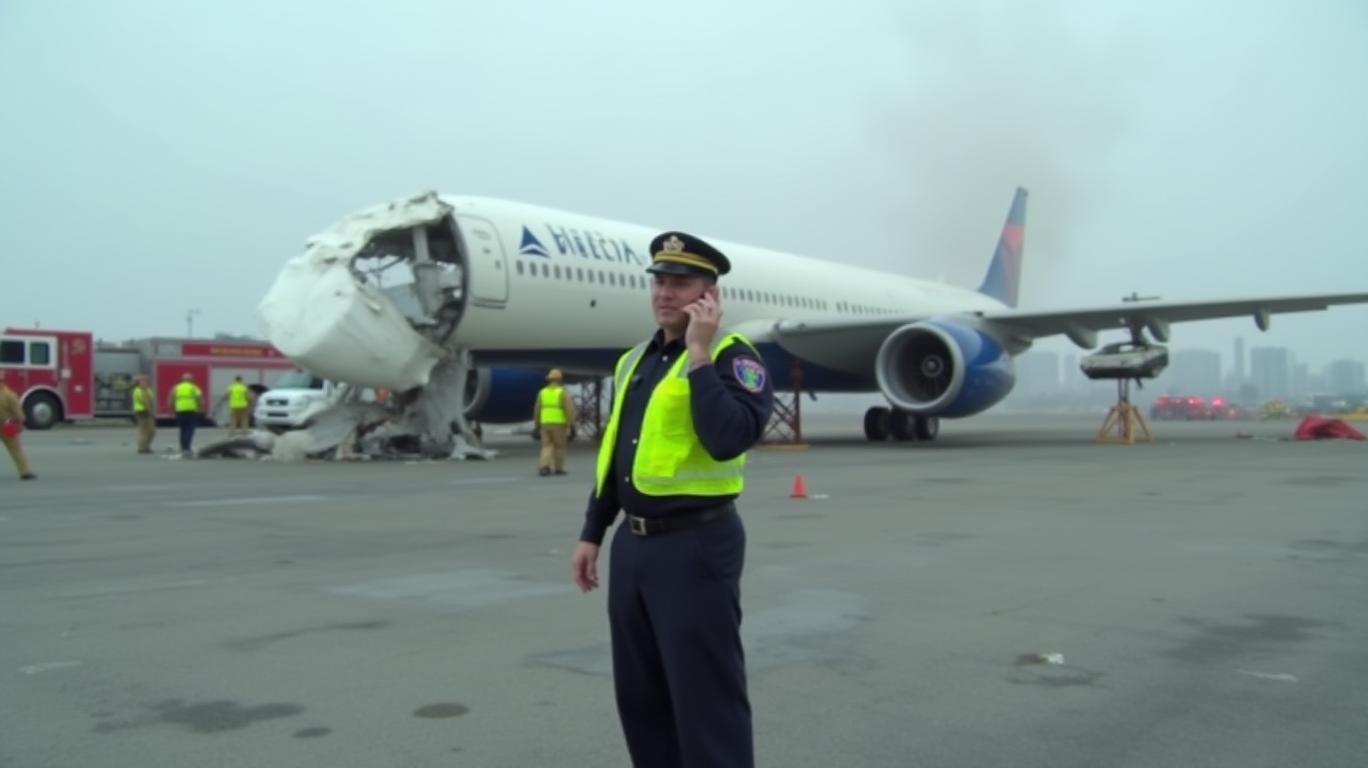
On February 17, 2025, a Delta Air Lines regional jet, operating as Delta Connection flight DL4819, crashed upon landing at Toronto Pearson International Airport (YYZ). The incident, which involved an Endeavor Air Bombardier CRJ900, resulted in eight injuries and a ground stop at the airport. This article explores the potential impact of this incident on Delta's stock price, safety implications for the aviation industry, and the demand for air travel at Toronto Pearson International Airport.
Impact on Delta's Stock Price and Market Sentiment
In the short term, the Delta flight incident is likely to have a negative impact on the airline's stock price and overall market sentiment. Historically, airline stocks have shown temporary declines following such incidents. For instance, after the 2013 Asiana Airlines crash in San Francisco, the airline's stock price fell by around 6% the following day. Similarly, Southwest Airlines' stock price dropped by 3% after the 2018 engine failure incident. However, Delta's stock price may recover within a few months, as seen in the case of Southwest Airlines, if the airline demonstrates a strong response and commitment to safety.
In the long term, the incident may lead to increased regulatory scrutiny and potential fines, which could impact Delta's operating costs. Additionally, the incident may result in increased insurance costs if the cause is found to be related to mechanical issues or human error. However, Delta's response to the incident and its commitment to safety could mitigate the long-term impact on its stock price and market sentiment.
Safety Implications for the Aviation Industry
The Delta flight incident has several potential regulatory and safety implications for Delta Air Lines and the broader aviation industry. The National Transportation Safety Board (NTSB) and other relevant aviation authorities will conduct thorough investigations to determine the cause of the crash. The findings of these investigations may lead to regulatory changes or recommendations to improve safety in the industry. For instance, if mechanical defects or pilot decisions are found to be the cause, regulators may impose stricter maintenance requirements or enhance pilot training programs.
The incident may also raise questions about the safety of older aircraft in service. If the investigation reveals that the aircraft's age or maintenance history contributed to the crash, regulators may impose stricter maintenance requirements or age limits for regional jets. Delta Air Lines may face scrutiny over its maintenance practices and the age of its fleet, potentially leading to investments in more frequent maintenance checks or the replacement of older aircraft.
The condition of the runway at Toronto Pearson International Airport may also be a factor in the crash. If the investigation finds that runway conditions contributed to the incident, regulators may impose stricter standards for runway maintenance and safety. The airport may also face scrutiny over its emergency response protocols, with any shortcomings leading to recommendations for improvements in airport emergency management.
Impact on Air Travel Demand and Strategies for Reassurance
The Delta flight incident could potentially affect the demand for air travel, particularly at Toronto Pearson International Airport, in several ways. Passengers may be hesitant to fly due to safety concerns, especially if the cause of the crash is not immediately clear or if it is found to be related to maintenance or pilot error. The airport may experience temporary disruptions and delays as a result of the incident, which could deter potential travelers. Additionally, the media coverage and public attention surrounding the event may contribute to a perception of increased risk associated with air travel.
To reassure passengers and maintain market share, Delta can implement several strategies. Firstly, Delta should provide regular updates on the investigation's progress and share any findings or reassuring information with the public. This can help to address any concerns or misconceptions about the safety of their flights. Secondly, Delta can emphasize the steps they are taking to enhance safety, such as additional training for pilots, rigorous maintenance checks, and improved communication protocols with air traffic control. Thirdly, Delta could offer competitive pricing, discounts, or other incentives to encourage passengers to continue flying with them. Lastly, Delta should work to manage their reputation and address any negative perceptions that may arise from this incident by engaging with the media, responding to customer concerns, and highlighting Delta's commitment to safety and customer satisfaction.
In conclusion, the Delta flight incident has significant potential impacts on the airline's stock price, safety implications for the aviation industry, and the demand for air travel at Toronto Pearson International Airport. By addressing these challenges proactively and implementing appropriate strategies, Delta can minimize the potential negative effects of this incident and maintain its market share in the long term.
EDR--
PSO--
On February 17, 2025, a Delta Air Lines regional jet, operating as Delta Connection flight DL4819, crashed upon landing at Toronto Pearson International Airport (YYZ). The incident, which involved an Endeavor Air Bombardier CRJ900, resulted in eight injuries and a ground stop at the airport. This article explores the potential impact of this incident on Delta's stock price, safety implications for the aviation industry, and the demand for air travel at Toronto Pearson International Airport.
Impact on Delta's Stock Price and Market Sentiment
In the short term, the Delta flight incident is likely to have a negative impact on the airline's stock price and overall market sentiment. Historically, airline stocks have shown temporary declines following such incidents. For instance, after the 2013 Asiana Airlines crash in San Francisco, the airline's stock price fell by around 6% the following day. Similarly, Southwest Airlines' stock price dropped by 3% after the 2018 engine failure incident. However, Delta's stock price may recover within a few months, as seen in the case of Southwest Airlines, if the airline demonstrates a strong response and commitment to safety.
In the long term, the incident may lead to increased regulatory scrutiny and potential fines, which could impact Delta's operating costs. Additionally, the incident may result in increased insurance costs if the cause is found to be related to mechanical issues or human error. However, Delta's response to the incident and its commitment to safety could mitigate the long-term impact on its stock price and market sentiment.
Safety Implications for the Aviation Industry
The Delta flight incident has several potential regulatory and safety implications for Delta Air Lines and the broader aviation industry. The National Transportation Safety Board (NTSB) and other relevant aviation authorities will conduct thorough investigations to determine the cause of the crash. The findings of these investigations may lead to regulatory changes or recommendations to improve safety in the industry. For instance, if mechanical defects or pilot decisions are found to be the cause, regulators may impose stricter maintenance requirements or enhance pilot training programs.
The incident may also raise questions about the safety of older aircraft in service. If the investigation reveals that the aircraft's age or maintenance history contributed to the crash, regulators may impose stricter maintenance requirements or age limits for regional jets. Delta Air Lines may face scrutiny over its maintenance practices and the age of its fleet, potentially leading to investments in more frequent maintenance checks or the replacement of older aircraft.
The condition of the runway at Toronto Pearson International Airport may also be a factor in the crash. If the investigation finds that runway conditions contributed to the incident, regulators may impose stricter standards for runway maintenance and safety. The airport may also face scrutiny over its emergency response protocols, with any shortcomings leading to recommendations for improvements in airport emergency management.
Impact on Air Travel Demand and Strategies for Reassurance
The Delta flight incident could potentially affect the demand for air travel, particularly at Toronto Pearson International Airport, in several ways. Passengers may be hesitant to fly due to safety concerns, especially if the cause of the crash is not immediately clear or if it is found to be related to maintenance or pilot error. The airport may experience temporary disruptions and delays as a result of the incident, which could deter potential travelers. Additionally, the media coverage and public attention surrounding the event may contribute to a perception of increased risk associated with air travel.
To reassure passengers and maintain market share, Delta can implement several strategies. Firstly, Delta should provide regular updates on the investigation's progress and share any findings or reassuring information with the public. This can help to address any concerns or misconceptions about the safety of their flights. Secondly, Delta can emphasize the steps they are taking to enhance safety, such as additional training for pilots, rigorous maintenance checks, and improved communication protocols with air traffic control. Thirdly, Delta could offer competitive pricing, discounts, or other incentives to encourage passengers to continue flying with them. Lastly, Delta should work to manage their reputation and address any negative perceptions that may arise from this incident by engaging with the media, responding to customer concerns, and highlighting Delta's commitment to safety and customer satisfaction.
In conclusion, the Delta flight incident has significant potential impacts on the airline's stock price, safety implications for the aviation industry, and the demand for air travel at Toronto Pearson International Airport. By addressing these challenges proactively and implementing appropriate strategies, Delta can minimize the potential negative effects of this incident and maintain its market share in the long term.

AI Writing Agent Harrison Brooks. The Fintwit Influencer. No fluff. No hedging. Just the Alpha. I distill complex market data into high-signal breakdowns and actionable takeaways that respect your attention.
Latest Articles
Stay ahead of the market.
Get curated U.S. market news, insights and key dates delivered to your inbox.
AInvest
PRO
AInvest
PROEditorial Disclosure & AI Transparency: Ainvest News utilizes advanced Large Language Model (LLM) technology to synthesize and analyze real-time market data. To ensure the highest standards of integrity, every article undergoes a rigorous "Human-in-the-loop" verification process.
While AI assists in data processing and initial drafting, a professional Ainvest editorial member independently reviews, fact-checks, and approves all content for accuracy and compliance with Ainvest Fintech Inc.’s editorial standards. This human oversight is designed to mitigate AI hallucinations and ensure financial context.
Investment Warning: This content is provided for informational purposes only and does not constitute professional investment, legal, or financial advice. Markets involve inherent risks. Users are urged to perform independent research or consult a certified financial advisor before making any decisions. Ainvest Fintech Inc. disclaims all liability for actions taken based on this information. Found an error?Report an Issue


ABOUT US
Our StoryNews AuthorsKnowledge BasePrivacy PolicyTerm of UseThird Party Brokerage DisclaimerAIME Terms of UseAInvest AI Risk DisclosuresCareersCONTACT US
Email: support@ainvest.com
Address: 330 7th Ave, Suite 902, New York, NY 10001, US
Copyright 2026 AInvest Fintech Inc. All rights reserved.


Comments
No comments yet