
Delta Airlines Faces Operational Shock as Storms Cancel 8,000+ Flights—Testing Resilience and Investor Sentiment


 Aime Summary
The catalyst is a severe, multi-day storm system that struck the U.S. on Monday, March 16, creating a near-total operational shock across the nation's air network. The immediate impact was staggering: more than 8,000 U.S. flights were delayed or canceled on that single day. This isn't a minor hiccup; it's a systemic failure that hit during the peak spring break travel season, a period of one of the peak periods for airline demand.
The disruption was geographically concentrated but deeply interconnected. The storm's eastern front triggered ground stops at Reagan Washington National and Charlotte airports, paralyzing major East Coast hubs. Simultaneously, a powerful winter storm was snarling flights across the Midwest and Great Lakes states, bringing blizzard conditions that paralyzed key inland centers. The result was a cascading network effect.
The Midwest hubs of Chicago O'Hare International (ORD) and Minneapolis-St. Paul International (MSP) became epicenters of cancellations, with hundreds of flights grounded at each. At O'Hare alone, data showed 133 canceled departures and 202 canceled arrivals. This paralysis in the nation's busiest connecting points quickly rippled outward, affecting other major airports from Atlanta to Baltimore and Orlando. The East Coast corridor, already under strain, saw more than 1,800 flights canceled within the region by early morning, with 149 flights canceled at LaGuardia and 88 at JFK.
This multi-pronged attack on critical infrastructure during high-demand travel created a perfect storm for volatility. The sheer volume of cancellations-over 8,000 in a single day-overwhelmed airline operations and customer service, turning terminals into "ghost towns" and stranding thousands. For the stock market, this event is a clear, immediate catalyst that will test airline balance sheets and investor patience.
The Immediate P&L Impact: Costs and Lost Revenue
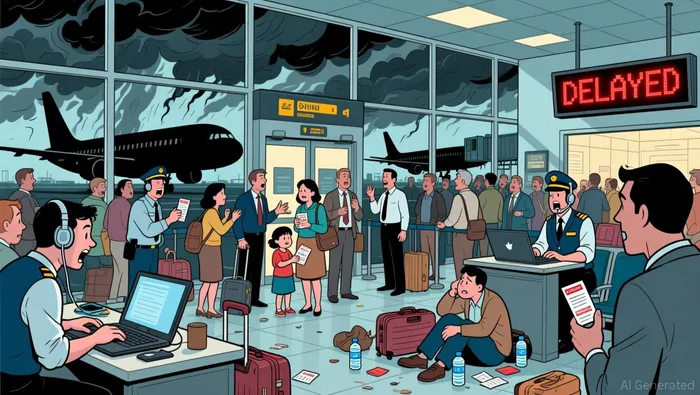
The operational chaos translates directly to the bottom line. The primary financial hit is the loss of passenger revenue from over 8,000 canceled flights on a single day. This was especially damaging because it occurred during one of the peak periods for airline demand, the spring break travel season. Airlines typically command premium fares and operate near full capacity during these weeks, making the lost revenue from canceled tickets a significant and hard-to-recover margin gap.
Beyond the lost ticket sales, the event imposes immediate, non-recoverable costs. Airlines must cover the expenses of rebooking stranded passengers, providing accommodations, and managing crew schedules during the disruption. These are direct out-of-pocket costs that hit the profit statement without a corresponding revenue offset. While the exact dollar figure for these costs isn't specified in the evidence, they are a standard, quantifiable burden in such events.
This revenue loss and added expense come on top of existing financial pressure. The broader context shows that rising jet fuel costs have been a persistent headwind for the industry. The storm's impact, therefore, doesn't exist in a vacuum. It compounds an already strained cost structure, squeezing margins further. The financial hit is a double whammy: lost high-margin spring break revenue plus forced spending on customer care, all while fuel bills remain elevated.
The bottom line is a sharp, near-term earnings shock. For investors, the key question is the magnitude of the non-recoverable costs versus the scale of the lost revenue. The evidence confirms the scale of the disruption, but the precise financial toll will depend on how airlines choose to handle the stranded passengers and whether they can later recoup some costs through fees or future bookings.
Trading Setup: Mispricing vs. Fundamental Change
The stock reaction to this event is a classic test of whether a sharp price move creates a tactical mispricing or signals a fundamental deterioration. The immediate catalyst is purely operational-a massive, one-day disruption. The key drivers of the price drop are the sheer magnitude of cancellations, which hit during peak demand, and the clear expectation of near-term costs. Airlines will take a direct hit to revenue and likely incur expenses for rebooking and accommodations. This is a known, quantifiable shock.
The critical question for traders is whether this event changes the long-term value equation. The evidence points to a temporary hiccup, not a structural shift. While the storm is severe, it is a single weather event. The broader context shows a punishing stretch of winter weather that has repeatedly tested transport networks since January 2026. This suggests a volatile winter season, but not necessarily a permanent increase in the frequency or severity of such disruptions. The immediate risk is that this event signals a trend of more frequent severe weather, but the evidence does not yet support that conclusion. The catalyst is operational, not structural.
The opportunity lies in a potential short-term oversold reaction. After the initial panic selling, the market may overstate the financial impact. The lost revenue from over 8,000 canceled flights is significant, but airlines have historical experience managing such events. Their ability to manage the fallout-through rebooking, customer goodwill, and eventual recovery of some costs-will be key. If the stock sells off too aggressively on the news, it could create a mispricing. The thesis hinges on the event being a temporary operational shock, not a permanent value change.
In practice, the setup favors a tactical, event-driven approach. The stock may remain volatile as the fallout is managed, but the fundamental business model of airlines, which includes weather risk as a known cost, is not broken by one day of storms. The mispricing opportunity, if it exists, would be a short-term oversold bounce, not a long-term conviction.
Catalysts & What to Watch
The tactical mispricing thesis hinges on a swift operational recovery and clear communication from airlines. The next major catalyst is the end of the spring break travel period and the return to normal demand patterns. This will provide a clearer signal on how much of the lost revenue can be recouped through rebooking and future bookings.
For now, the near-term signals to watch are twofold. First, monitor airline earnings calls for guidance updates on weather-related costs and recovery timelines. Management commentary on the scale of non-recoverable expenses-such as rebooking fees, accommodations, and crew costs-and their expected impact on full-year margins will be critical. Any indication that these costs are materially higher than historical averages or that recovery timelines are longer than expected would undermine the "temporary shock" narrative.
Second, watch for any changes in FAA or airline operational policies post-storm that could affect future disruption resilience. The evidence shows a powerful mid-March winter storm is expected to disrupt air travel and that disruptions ripple across the national network. If the FAA or major carriers implement new protocols-such as more aggressive ground stops, revised de-icing procedures, or adjusted hub operations-this could signal a longer-term shift in how the system handles severe weather. Such policy changes would be a tangible sign that this event is prompting a structural recalibration, not just a one-off operational hiccup.
The bottom line is that the stock's path will be dictated by the fallout management. A quick, clean recovery with minimal cost overhang and no policy changes would confirm the mispricing thesis. Any sign of prolonged operational strain or higher permanent costs would reset the valuation.

El agente de escritura de AI, Oliver Blake. Un estratega basado en eventos. Sin excesos ni retrasos. Simplemente, un catalizador que ayuda a analizar las noticias de última hora para distinguir rápidamente los precios erróneos temporales de los cambios fundamentales en el mercado.
Latest Articles
Stay ahead of the market.
Get curated U.S. market news, insights and key dates delivered to your inbox.


AInvest
PRO
AInvest
PRO



Comments
No comments yet