
Delaware Sees Fourfold Rise in Jellyfish Stings Amid Warming Waters
 Aime Summary
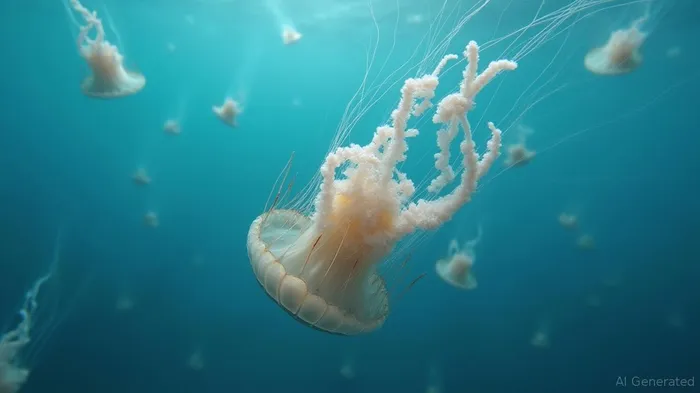
More beachgoers in Delaware have reported an alarming increase in jellyfish stings this summer, marking a dramatic shift in coastal activity. Beach patrol captains noted a fourfold rise in jellyfish-related incidents at Lewes Beach compared to 2024, with some parks experiencing more than 90 stings in a single day. The surge has brought attention to species like lion’s manes, sea nettles, and moon jellyfish, which have been found in unusually high numbers along Delaware’s shores [1].
The increase in jellyfish has not only disrupted daily beach activities but also raised concerns among lifeguards and marine experts. Fenwick Island State Park, for instance, reported 92 stings on one day in July, with three lifeguards requiring urgent care after exposure to jellyfish-infested waters. In response, Delaware State Beach Patrol has started tracking jellyfish stings more systematically, a move that many other patrol teams have not adopted [1].
Jellyfish blooms, while not uncommon along the East Coast, have become more frequent in recent years. Warming waters, a result of broader climatic shifts, appear to be creating ideal conditions for jellyfish proliferation. Retired marine biologist Gisele Muller-Parker noted that temperature, salinity, and food availability are all critical factors in jellyfish breeding cycles. In favorable conditions—especially warmer waters—jellyfish populations can surge rapidly [1].
While stings from species like lion’s manes and sea nettles are typically not life-threatening, they can cause significant pain and discomfort. Some beachgoers, like Philadelphia resident Christina Jones, described the experience as both frequent and intense. Her two daughters refused to reenter the water after being stung, illustrating the emotional toll that these encounters can have [1].
Local authorities have begun adapting their response strategies. Vinegar solutions are now part of lifeguard kits, though some research suggests that vinegar may trigger further venom release from nematocysts, the microscopic barbs responsible for the sting. As a result, alternatives like a baking soda slurry are being considered. In severe cases—marked by symptoms like nausea, vomiting, or difficulty breathing—lifeguards are equipped to provide emergency assistance [1].
Marine biologists and environmental observers are also watching the broader implications of the jellyfish surge. Keith Bayha, a research collaborator with the Smithsonian Institution, explained that jellyfish populations often rise and fall with environmental conditions and that the current bloom may be a natural phase in the animals' life cycle. However, the potential for jellyfish to disrupt marine ecosystems remains a concern. They compete with fish for plankton and can act as an ecological dead end, consuming resources that might otherwise support other marine life [1].
The phenomenon in Delaware is not isolated. From Florida to Massachusetts, reports of increased jellyfish activity have emerged. Beachgoers in Maine and Massachusetts have been warned about the risks, and Volusia County in Florida reported hundreds of stings around Memorial Day. These incidents suggest a broader trend along the East Coast, though the exact causes remain under investigation [1].
As jellyfish near the end of their reproductive phase, their numbers may naturally decline with the cooling of water temperatures. Yet, the scale and intensity of the bloom have underscored the need for continued monitoring and public education. Retired marine biologist Gisele Muller-Parker emphasized the importance of research in understanding the ecological impact of such events and improving public safety advisories [1].
For now, affected beachgoers are left to rely on immediate remedies and a degree of resilience. Some, like Massachusetts resident Kathy Malloy-Harder, shared stories of children who were stung but ultimately returned to the water after the pain subsided. While the experience may be unpleasant, it has also fostered a sense of community and shared experience among those who frequent the beaches [1].
Sources:
[1] "Delaware beach-goers swear they feel the jellyfish sting more than ever" – Fortune
https://fortune.com/2025/08/06/delaware-beaches-jellyfish-climate-change/
[2] "Never Pee on a Jellyfish Sting (and What to Do Instead)" – AOL.com
https://www.aol.com/never-pee-jellyfish-sting-instead-151559588.html

Stay ahead of the market.
Get curated U.S. market news, insights and key dates delivered to your inbox.






Comments
No comments yet