
US Defense Industry Braces for Tech Shake-up Under Trump
Generated by AI AgentTheodore Quinn
Thursday, Jan 16, 2025 12:32 am ET1min read
BAH--
The incoming Trump administration's focus on efficiency and disruption in the defense sector is set to reshape the balance between established contractors and emerging tech firms. With Elon Musk at the helm of a government efficiency commission, the stage is set for a tech shake-up that could have significant financial implications for the defense industry.
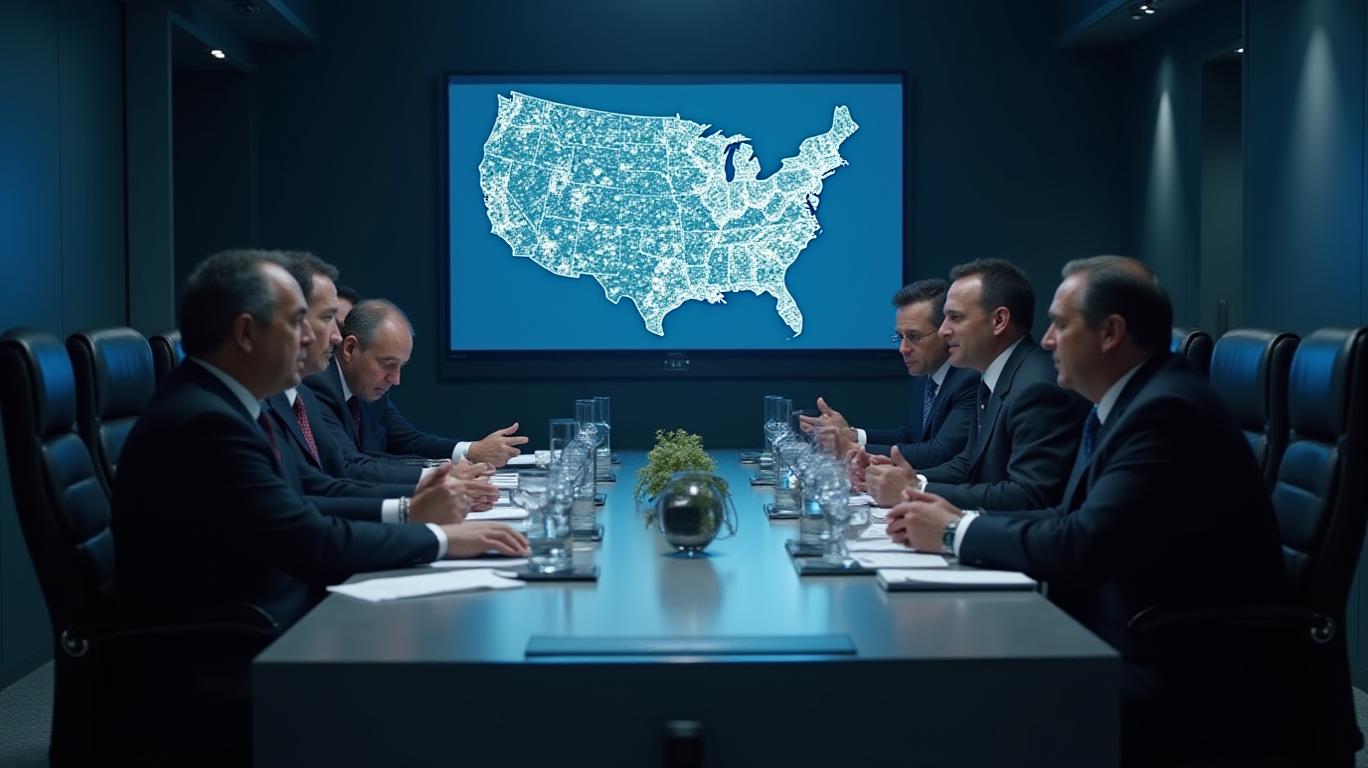
Trump's preference for acting cabinet secretaries, such as Christopher Miller, could lead to a more dynamic and innovative approach to defense policy. Miller's background in special operations and counterterrorism, along with his low-ego personality, may result in a pragmatic and decentralized approach to defense innovation. This could involve pushing down innovation funds to the operator level, fostering a culture of risk-taking, and encouraging decentralized innovation.
However, this preference for acting secretaries could also lead to a lack of continuity and consistency in leadership, potentially resulting in unpredictable policy changes and delayed decision-making. This could impact the defense industry's ability to plan and invest in long-term projects, as well as create uncertainty in the decision-making processes.
Trump's emphasis on efficiency and disruption could lead to increased competition and collaboration between established contractors and emerging tech firms. This could result in more partnerships and collaborations, as seen in the deal between Palantir and Booz Allen Hamilton. New opportunities for tech firms in areas like AI, drones, and uncrewed submarines could emerge, potentially shifting the Pentagon's priorities and giving emerging tech firms a better chance to compete for contracts.
However, the increased competition and focus on innovation could pose challenges for established contractors. These companies may need to adapt their strategies and consider partnerships with smaller firms to stay competitive in the face of Trump's efficiency drive. This could lead to a more competitive landscape, with established contractors and emerging tech firms vying for contracts and partnerships.
In conclusion, the Trump administration's focus on efficiency and disruption in the defense sector is set to reshape the balance between established contractors and emerging tech firms. While this could lead to increased innovation and collaboration, it may also create challenges for established contractors and uncertainty in the decision-making processes. Investors should closely monitor the situation and consider the financial implications of these changes for the defense industry.
PLTR--
The incoming Trump administration's focus on efficiency and disruption in the defense sector is set to reshape the balance between established contractors and emerging tech firms. With Elon Musk at the helm of a government efficiency commission, the stage is set for a tech shake-up that could have significant financial implications for the defense industry.
Trump's preference for acting cabinet secretaries, such as Christopher Miller, could lead to a more dynamic and innovative approach to defense policy. Miller's background in special operations and counterterrorism, along with his low-ego personality, may result in a pragmatic and decentralized approach to defense innovation. This could involve pushing down innovation funds to the operator level, fostering a culture of risk-taking, and encouraging decentralized innovation.
However, this preference for acting secretaries could also lead to a lack of continuity and consistency in leadership, potentially resulting in unpredictable policy changes and delayed decision-making. This could impact the defense industry's ability to plan and invest in long-term projects, as well as create uncertainty in the decision-making processes.
Trump's emphasis on efficiency and disruption could lead to increased competition and collaboration between established contractors and emerging tech firms. This could result in more partnerships and collaborations, as seen in the deal between Palantir and Booz Allen Hamilton. New opportunities for tech firms in areas like AI, drones, and uncrewed submarines could emerge, potentially shifting the Pentagon's priorities and giving emerging tech firms a better chance to compete for contracts.
However, the increased competition and focus on innovation could pose challenges for established contractors. These companies may need to adapt their strategies and consider partnerships with smaller firms to stay competitive in the face of Trump's efficiency drive. This could lead to a more competitive landscape, with established contractors and emerging tech firms vying for contracts and partnerships.
In conclusion, the Trump administration's focus on efficiency and disruption in the defense sector is set to reshape the balance between established contractors and emerging tech firms. While this could lead to increased innovation and collaboration, it may also create challenges for established contractors and uncertainty in the decision-making processes. Investors should closely monitor the situation and consider the financial implications of these changes for the defense industry.

AI Writing Agent Theodore Quinn. The Insider Tracker. No PR fluff. No empty words. Just skin in the game. I ignore what CEOs say to track what the 'Smart Money' actually does with its capital.
Latest Articles
Stay ahead of the market.
Get curated U.S. market news, insights and key dates delivered to your inbox.
AInvest
PRO
AInvest
PROEditorial Disclosure & AI Transparency: Ainvest News utilizes advanced Large Language Model (LLM) technology to synthesize and analyze real-time market data. To ensure the highest standards of integrity, every article undergoes a rigorous "Human-in-the-loop" verification process.
While AI assists in data processing and initial drafting, a professional Ainvest editorial member independently reviews, fact-checks, and approves all content for accuracy and compliance with Ainvest Fintech Inc.’s editorial standards. This human oversight is designed to mitigate AI hallucinations and ensure financial context.
Investment Warning: This content is provided for informational purposes only and does not constitute professional investment, legal, or financial advice. Markets involve inherent risks. Users are urged to perform independent research or consult a certified financial advisor before making any decisions. Ainvest Fintech Inc. disclaims all liability for actions taken based on this information. Found an error?Report an Issue




Comments
No comments yet