
Deepfakes Fuel Political Debate in Philippines as Duterte Allies Share AI-Generated Video
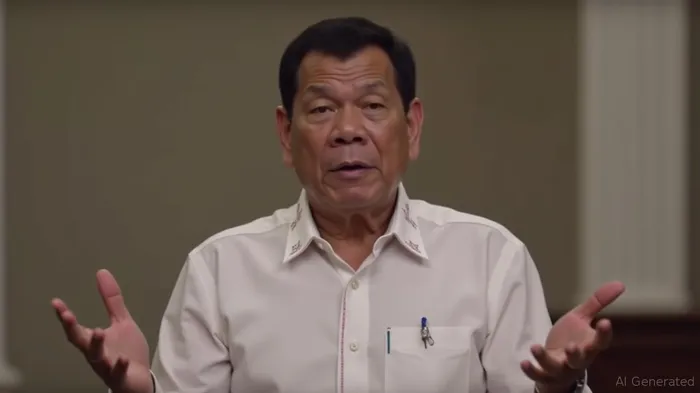
Deepfakes are increasingly influencing politics, with politicians and their supporters utilizing AI-generated videos to make arguments, attack opponents, and spread misinformation. The accessibility of powerful video generation tools is altering the norms surrounding the use of fake content in political discourse.
In the Philippines, allies of Vice President Sara Duterte shared a viral video featuring AI-generated schoolboys criticizing the impending impeachment trial against her. The video portrayed the trial as politically motivated and an example of selective justice. However, the video was quickly exposed as a deepfake, prompting criticism from presidential palace press officer Claire Castro, who condemned the sharing of disinformation and fake news. Despite the backlash, Vice President Duterte defended the use of AI-generated videos, stating that it was acceptable as long as no profit was involved. Senator Ronald dela Rosa, who also shared the video, echoed this sentiment, arguing that the content of the message was more important than its origin.
The political back-and-forth surrounding the impeachment of Sara Duterte has been ongoing. Accused of corruption, misuse of public funds, and threats against President Ferdinand Marcos Jr., Duterte faces the possibility of being removed from office and banned from politics for life if formally impeached. The Philippine Senate recently referred her impeachment case back to the House of Representatives for clarification on its constitutionality, following a vote to impeach her in early February. Prosecutors at the House have since demanded that the Senate proceed with the trial.
This is not the first instance of deepfakes in Filipino politics. Last year, an AI-generated video of President Marcos taking illegal drugs circulated widely. Additionally, the national police Anti-Cybercrime Group is currently investigating another deepfake featuring Marcos promoting an online trading platform. The use of AI-generated content in political campaigns is not limited to the Philippines; similar tactics have been employed in other regions, including the use of AI-generated images and videos by political campaigns in various countries.
The creators of the recent deepfake videos in the Philippines have defended their use of AI, arguing that these avatars allow for the expression of political opinions without the risk of personal criticism. Bernard Senocip, who created a video supporting the impeachment trial, stated that these avatars provide a platform for voicing opinions while avoiding direct criticism. The person behind the schoolboy video, which defended Duterte, claimed that the views expressed were collected from real students.
The proliferation of deepfakes in political discourse raises serious concerns about the integrity of information and the potential for misuse. As AI technology becomes more accessible, it is crucial for political actors to adhere to ethical standards and for the public to remain vigilant against the spread of misinformation. The use of deepfakes in political campaigns and debates highlights the need for robust regulations and public awareness to ensure that technology is used responsibly and transparently.

Stay ahead of the market.
Get curated U.S. market news, insights and key dates delivered to your inbox.


AInvest
PRO
AInvest
PRO



Comments
No comments yet