
Decoding the Futures-Physical Spread: A Strategy to Spot Real Supply Shocks
 Aime Summary
In the world of investing, few signals are as telling as the disconnect between what commodities cost today and what they are expected to cost tomorrow. This article explores the "Futures-Physical Spread," a critical concept that helps investors identify genuine supply shortages before they hit the headlines. Understanding this dynamic is essential for anyone looking to navigate the stock market with an edge, as commodity prices directly influence the profitability of everything from energy companies to airlines.
At its core, the Futures-Physical Spread (often called the "basis") is simply the difference between the price of a commodity available for immediate delivery (the physical or spot price) and the price of a contract to buy that same commodity at a future date (the futures price). 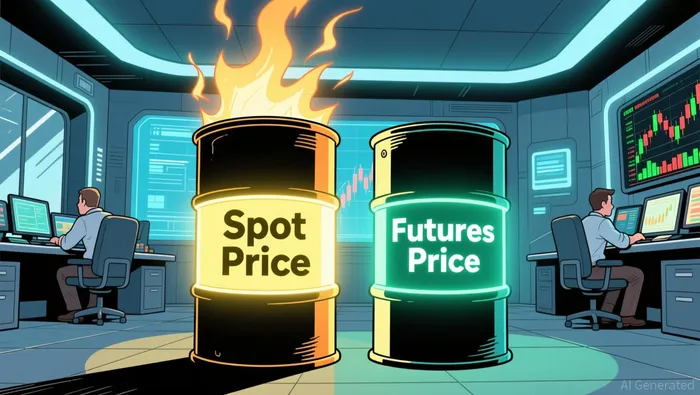 Imagine you are buying a barrel of oil today versus agreeing to buy one in six months. If the immediate price is significantly higher than the future price, the spread is "positive" or in "backwardation." This usually signals scarcity; people are so desperate for oil right now that they are willing to pay a premium to get it immediately. Conversely, if future prices are higher, the market is in "contango," suggesting ample current supply and expectations of higher costs later.
For investors, this spread is a powerful tool for strategy. When the spread widens into backwardation, it often indicates a real supply shock. This environment can be a golden opportunity for investors in the energy sector, as companies holding inventory see their asset values skyrocket. Conversely, a deep contango might suggest an oversupply, signaling caution for producers and potential opportunities for consumers who can lock in lower future costs. By monitoring these spreads, investors can anticipate earnings reports and stock price movements before the broader market reacts.
Consider the global shipping crisis of 2021 as a vivid case study. During this period, container shortages created a massive backlog at ports, effectively trapping goods. In the commodity markets, this physical constraint caused the spot price of shipping and raw materials to surge well above futures prices. The spread turned deeply positive, screaming that immediate supply was critically low. Investors who recognized this signal early in the futures markets saw it before it was fully reflected in the stock prices of logistics and manufacturing firms. As the shortage persisted, companies with strong supply chains outperformed, while those reliant on just-in-time delivery struggled. The spread provided a clear, data-driven narrative that supply was not just tight, but broken.
However, relying on this concept carries risks. Spreads can be volatile and influenced by speculative trading rather than actual physical shortages. A sudden shift in government policy or a temporary logistical glitch can distort the data. Furthermore, acting too early on a signal can lead to losses if the anticipated shortage fails to materialize. To mitigate these risks, investors must combine spread analysis with broader fundamental research, such as inventory levels and production data. Always maintain a diversified portfolio and avoid placing large bets based solely on a single market indicator.
In conclusion, the Futures-Physical Spread is more than just a technical chart line; it is a window into the real-world flow of goods. By understanding the difference between spot and futures prices, investors can spot genuine supply shocks, adjust their portfolios accordingly, and make more informed decisions. Whether you are a seasoned trader or a beginner, keeping an eye on this spread can provide the clarity needed to navigate the complexities of the stock market with confidence.

Stay ahead of the market.
Get curated U.S. market news, insights and key dates delivered to your inbox.


AInvest
PRO
AInvest
PRO



Comments
No comments yet