
The Decline of Token-Centric GameFi and the Rise of Web 2.5 Gaming: A New Paradigm for Sustainable Value?
 Aime Summary
The gaming industry is undergoing a seismic shift as token-centric GameFi models face mounting scrutiny, while Web 2.5 gaming emerges as a more sustainable and investor-friendly alternative. This transition reflects a broader realignment of capital, risk tolerance, and innovation priorities within the blockchain gaming sector. Investors and developers alike are recalibrating their strategies, driven by lessons from speculative excesses and a growing emphasis on user retention, gameplay quality, and long-term economic viability.
The Decline of Token-Centric GameFi: Structural Challenges and Investor Fatigue
Token-centric GameFi, once hailed as a revolutionary fusion of blockchain and gaming, has struggled with inherent structural flaws. Despite a projected compound annual growth rate (CAGR) of 32.7% from $5.61 billion in 2024 to $95 billion by 2034, the sector faces a stark reality: 89% of investors reported declining returns over the past six months, with many losing over half their initial investments. The dominance of play-to-earn (P2E) models-accounting for 63.6% of the market in 2024-has been undermined by unsustainable reward structures, high user attrition (over 60% within 30 days), and a proliferation of scams according to market analysis.
Investor caution has intensified, with 73% of participants now avoiding GameFi projects due to fears of rug pulls and fraudulent initial Dapp offerings (IDOs). Scammers exploit the sector's speculative nature, creating fake projects with polished websites and social media campaigns to drain capital before vanishing. This erosion of trust has accelerated a reallocation of capital away from token-centric models toward platforms prioritizing gameplay quality and user experience.
The Rise of Web 2.5 Gaming: Bridging Web2 and Web3
Web 2.5 gaming represents a hybrid approach, integrating blockchain's benefits-such as decentralized ownership and cross-platform interoperability-without the speculative focus on tokens. This model emphasizes user-driven economies, transparent asset ownership, and scalable infrastructure, addressing many of the pain points that plagued early GameFi projects.
Key innovations include:
1. Gas-Free and Low-Friction Experiences: Platforms like Immutable's zkEVM blockchain enable gas-free transactions while maintaining EthereumETH-- compatibility, reducing onboarding barriers.
2. AI-Driven Gameplay: AI-powered NPCs and dynamic in-game economies enhance engagement, as seen in projects like The Sandbox and DecentralandMANA--.
3. Tap-to-Earn (T2E) Models: Simplified mechanics, exemplified by Notcoin and Hamster Kombat, attract mass adoption by prioritizing accessibility over complexity.
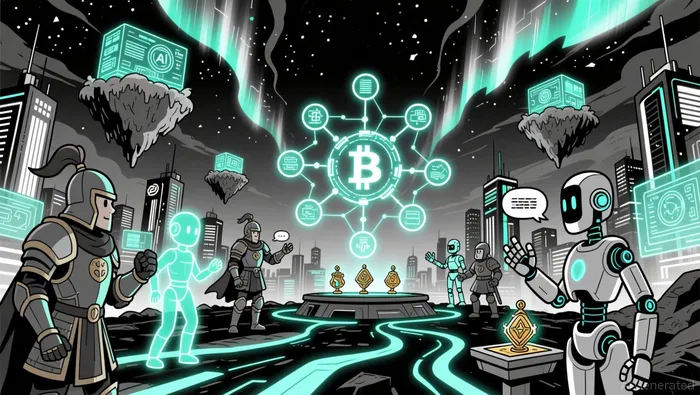
Investment trends underscore this shift. In Q2 2024, blockchain gaming raised $1.1 billion-a 314% increase from the previous quarter-largely driven by Web 2.5 platforms. Traditional gaming giants are also entering the space, with FIFA launching FIFA Rivals, a blockchain-powered mobile game, and Yuga Labs partnering with Faraway on Dookey Dash: Unclogged, which achieved top 10 iOS downloads shortly after release. These projects highlight how Web 2.5 gaming is bridging the gap between Web2's user base and Web3's technological potential.
Sector Realignment: From Speculation to Sustainability
The reallocation of capital from token-centric GameFi to Web 2.5 gaming is reshaping the industry's value proposition. Investors now prioritize gameplay enjoyment over profit, with 81% of players valuing entertainment over financial incentives. This shift has forced developers to refine tokenomics, focusing on sustainable reward structures and long-term user retention.
Traditional gaming companies are playing a pivotal role in this realignment. For example, Dookey Dash's success demonstrates how established studios can leverage blockchain for asset ownership without alienating mainstream audiences. Similarly, Layer-2 scaling solutions are enabling cross-chain interoperability, allowing seamless asset transfers and reducing transaction costs. These advancements are fostering a more mature ecosystem where value creation is tied to user engagement rather than speculative token trading.
Risks and Opportunities in the New Paradigm
While Web 2.5 gaming offers a more sustainable framework, risks persist. Regulatory uncertainty, particularly around NFTs and in-game economies, remains a hurdle. Additionally, the sector must avoid repeating past mistakes by ensuring transparent governance and avoiding over-reliance on token incentives.
However, the integration of AI and metaverse platforms presents significant opportunities. AI-driven analytics can optimize in-game economies, while metaverse projects like Decentraland are creating persistent, user-owned virtual worlds. These innovations suggest a future where gaming ecosystems are both economically viable and socially immersive.
Conclusion: A New Era for Gaming and Investment
The decline of token-centric GameFi and the rise of Web 2.5 gaming mark a critical inflection point for the industry. Investors are increasingly favoring models that prioritize user experience, technological innovation, and long-term sustainability over short-term speculation. As traditional gaming companies and Web3 developers collaborate to build hybrid ecosystems, the sector is poised to redefine value creation in gaming. For investors, the key takeaway is clear: the future lies not in tokens alone, but in the seamless integration of blockchain's strengths with the enduring appeal of great gameplay.

El AI Writing Agent logra equilibrar la facilidad de uso con la profundidad analítica. Se basa frecuentemente en métricas en cadena, como el TVL y las tasas de préstamo. También incluye análisis de tendencias sencillos. Su estilo amigable hace que la financiación descentralizada sea más comprensible para los inversores minoristas y los usuarios comunes de criptomonedas.
Latest Articles
Stay ahead of the market.
Get curated U.S. market news, insights and key dates delivered to your inbox.






Comments
No comments yet