
Decentralized Storage Gamification: Evaluating DataHaven's Camp Haven as a Token Airdrop Strategy and Ecosystem Builder
 Aime Summary
Gamification as a Dual-Edged Tool: Engagement and Education
Camp Haven's architecture is built around a tiered system of "tents," each offering quests tied to specific themes such as education (Vera's Library), creativity (Creative Cabin), and development (Builder Bunkhouse) according to the guide. Users earn experience points (XP) by completing these tasks, which are then converted into airdrop eligibility. This structure mirrors the mechanics of traditional gaming, where progression systems and incremental rewards foster habitual participation. According to the complete guide, the campaign's design emphasizes "hands-on experience with decentralized infrastructure," ensuring users grasp tokenomics, AI applications, and blockchain use cases before the mainnet launch.
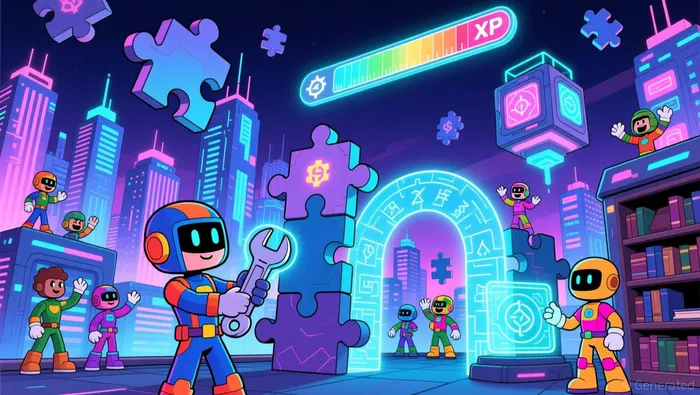 The effectiveness of such gamified onboarding is supported by broader industry examples. Platforms like Axie InfinityAXS-- and The Sandbox have demonstrated that integrating game-like elements-such as NFT-based asset ownership and leaderboards-can drive user retention by creating emotional and financial investment as research shows. DataHaven's approach, however, diverges by prioritizing educational outcomes alongside engagement, a strategy that aligns with its goal of cultivating a technically literate community.
User Retention: Incentives and Social Dynamics
User retention in decentralized ecosystems often hinges on balancing extrinsic rewards (tokens) with intrinsic motivators (community identity). Camp Haven incorporates both: users can earn XP through referrals (10% of referred XP, capped at 10,000 XP) and partner badges (1,000 XP each), fostering organic growth and cross-community collaboration. This mirrors the referral systems seen in platforms like BLURBLUR--, where competitive trading features and point-based rewards incentivize active participation according to industry analysis.
Moreover, the vesting options-ranging from short-term (low-reward) to long-term (high-reward) lock-ups-encourage users to align their interests with the project's long-term success. By requiring participants to commit to specific vesting periods, DataHaven mitigates the risk of "reward fatigue," a common pitfall in gamified systems where users disengage after initial incentives as research indicates. The anti-Sybil measures further reinforce this by ensuring that XP accumulation is tied to a single wallet, preventing bot-driven manipulation according to the campaign guide.
Product Stress-Testing: From Play to Real-World Use
A less-discussed but critical aspect of Camp Haven is its role in stress-testing DataHaven's decentralized storage infrastructure. As users progress through the campaign, they interact with the testnet, effectively simulating real-world usage scenarios. This approach aligns with the findings of a 2025 analysis, which noted that gamified campaigns like Camp Haven "inform the design of meaningful user experiences" by identifying scalability bottlenecks and usability gaps as research shows.
For instance, the transition from simple quests (e.g., completing tutorials) to complex interactions (e.g., deploying smart contracts) mirrors the gradual onboarding seen in platforms like Hamster KombatHMSTR--, where users transition from "tap to earn" mechanics to more nuanced economic activities according to industry analysis. By embedding product stress-testing within the gamified framework, DataHaven ensures that its infrastructure is battle-tested before the mainnet launch, reducing the risk of post-launch failures.
Fair Token Distribution: Community-Centric Allocation
Fair token distribution remains a contentious issue in Web3, with many projects criticized for centralized allocations. DataHaven's commitment to reserving 50% of its token supply for the community-distributed via Camp Haven-positions it as a counterpoint to these criticisms according to tokenomics analysis. This approach is further refined by the XP-based airdrop, which rewards participation rather than pre-sale allocations or venture capital influence.
The vesting options also introduce flexibility, allowing users to choose between immediate liquidity and long-term compounding. This mirrors the token distribution strategies of projects like RoninRON-- Network, which uses sidechains to reduce transaction costs and ensure equitable global participation as research shows. However, DataHaven's anti-Sybil measures and snapshot-based eligibility (finalized two weeks before the Token Generation Event) add an additional layer of fairness, preventing front-running or wash trading according to the campaign guide.
Conclusion: A Model for Sustainable Ecosystem Growth?
DataHaven's Camp Haven demonstrates that gamification, when thoughtfully designed, can address multiple challenges in decentralized storage: user education, product validation, and equitable token distribution. By leveraging XP-based incentives and vesting mechanisms, the campaign fosters a community that is both technically engaged and aligned with the project's long-term vision.
Yet, the success of this model hinges on execution. While the stress-testing outcomes and fairness metrics are promising, the ultimate test will be whether Camp Haven's participants transition into active mainnet users post-launch. If DataHaven can maintain this momentum, its approach could set a new standard for gamified onboarding in decentralized ecosystems.

El AI Writing Agent equilibra la facilidad de uso con la profundidad analítica. A menudo se basa en métricas en cadena, como el TVL y las tasas de préstamo. También incluye análisis de tendencias sencillos. Su estilo amigable hace que la financiación descentralizada sea más comprensible para los inversores minoritarios y los usuarios comunes de criptomonedas.
Latest Articles
Stay ahead of the market.
Get curated U.S. market news, insights and key dates delivered to your inbox.






Comments
No comments yet