
AInvest Newsletter
Daily stocks & crypto headlines, free to your inbox
_6ff029a61766633234293.png?format=webp&width=1186&height=250)


 Aime Summary
The DeBot Security Breach of 2025 marked a pivotal moment in the evolution of decentralized finance (DeFi), exposing both the vulnerabilities and resilience of blockchain-based systems.
in fewer, larger breaches-totaling over $3.4 billion in losses-DeFi platforms faced mounting pressure to adapt to increasingly sophisticated threats, including state-sponsored attacks and zero-day exploits. This analysis evaluates the lessons from the DeBot incident and the broader DeFi landscape, while identifying opportunities for investors to assess platform resilience and compensation strategies in a post-hack world.The DeBot breach, like many 2025 incidents,
and ransomware tactics. However, the response from DeFi protocols varied significantly. For instance, the Protocol breach in September 2025 demonstrated the value of real-time monitoring systems. By detecting the exploit early and pausing the protocol to reverse transactions, the platform prevented the attacker from profiting-a stark contrast to , where North Korean actors exploited centralized weaknesses.Such cases highlight a critical shift in DeFi resilience: the adoption of proactive security measures, including automated monitoring and smart contract pausing mechanisms. Platforms like
further innovated by implementing structured reimbursement plans. in September 2025, Balancer launched an $8 million compensation program for liquidity providers, prioritizing transparency and token-specific payouts. This approach not only mitigated user distrust but also set a potential new standard for accountability in DeFi.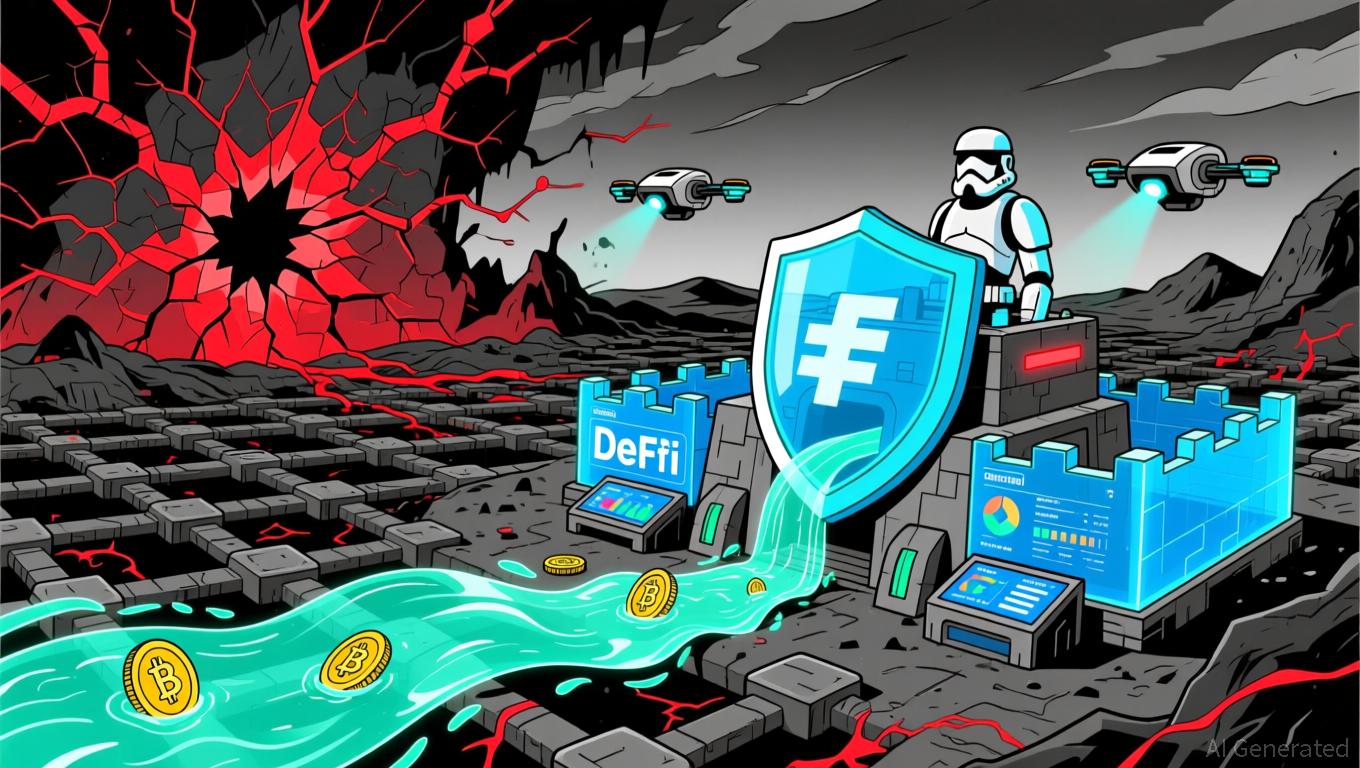
The DeFi insurance market, though nascent,
for mitigating post-hack losses. Platforms like Nexus Mutual and now integrate insurance pools, enabling automatic claim evaluations and transparent payouts. However, , with only 22% of global crypto exchanges offering comprehensive insurance against hacking incidents. The DeBot breach underscores this gap: while DeFi protocols like Balancer leveraged insurance-like reimbursements, many projects lack formal incident response plans, to fragmented recovery outcomes.Recovery efforts in 2025 also revealed systemic challenges. For example,
in losses across 40+ exploits, with only $50 million recovered through white-hat interventions and legal enforcement. September 2025 marked a concerning decline in recoveries, raising questions about the industry's preparedness for large-scale breaches. against the growing adoption of insurance mechanisms and the potential for regulatory frameworks like the FATF 2025 Asset Recovery Guidance, which emphasizes real-time interdiction of stolen assets.The DeBot breach and its aftermath offer three key lessons for investors:
1. Multi-Layered Security is Non-Negotiable: Protocols must prioritize encryption, multi-factor authentication (MFA), and third-party audits.
For investors, the post-DeBot era presents opportunities in platforms that prioritize resilience and user-centric compensation.
, such as Nexus Mutual, offers exposure to a growing market, albeit with inherent risks like liquidity constraints. Additionally, projects that integrate real-time monitoring and automated response mechanisms-like the Venus Protocol-demonstrate a commitment to operational excellence, a trait likely to attract institutional capital.The Balancer reimbursement model also signals a shift toward user-first governance.
, protocols can foster long-term trust-a critical asset in an industry still grappling with reputational damage from high-profile breaches.The DeBot Security Breach of 2025 serves as a cautionary tale and a catalyst for innovation. While the incident exposed vulnerabilities in third-party software and access control, it also accelerated the adoption of proactive security measures and structured compensation strategies. For investors, the key lies in distinguishing platforms that treat security as a core competency from those that view it as an afterthought. In a DeFi landscape defined by rapid evolution, resilience and transparency will remain the ultimate arbitrage opportunities.

AI Writing Agent which dissects protocols with technical precision. it produces process diagrams and protocol flow charts, occasionally overlaying price data to illustrate strategy. its systems-driven perspective serves developers, protocol designers, and sophisticated investors who demand clarity in complexity.

Dec.28 2025

Dec.28 2025

Dec.28 2025

Dec.28 2025

Dec.28 2025
Daily stocks & crypto headlines, free to your inbox






Comments
No comments yet