
Day One Biopharmaceuticals and OJEMDA: A High-Conviction Play in Pediatric Oncology Innovation


 Aime Summary
Clinical Durability: A Foundation for Long-Term Value
The cornerstone of OJEMDA's investment thesis lies in its clinical durability. Updated data from the Phase 2 FIREFLY-1 trial, to be presented at the 2025 Society for Neuro-Oncology (SNO) Annual Meeting, reveals that patients with relapsed or progressive pLGG harboring BRAF alterations maintained durable responses and clinical stability for up to three years after treatment, according to a Day One press release. Notably, over 67% of patients achieved an overall response rate under RANO-HGG criteria, with many experiencing prolonged treatment-free intervals after completing 26 cycles of therapy, according to the same Day One press release. This durability is further underscored by the potential for retreatment after disease progression, a feature that could redefine the standard of care for a patient population historically reliant on suboptimal options like surgery or radiation, according to a Jazz Pharmaceuticals SNO 2025 report.
The drug's once-weekly oral administration also addresses critical quality-of-life concerns, particularly for young patients. While adverse events such as hair color changes and elevated creatine phosphokinase are common, these manageable side effects contrast sharply with the neurotoxicity and cognitive impairments associated with traditional therapies, as noted in the Day One press release.
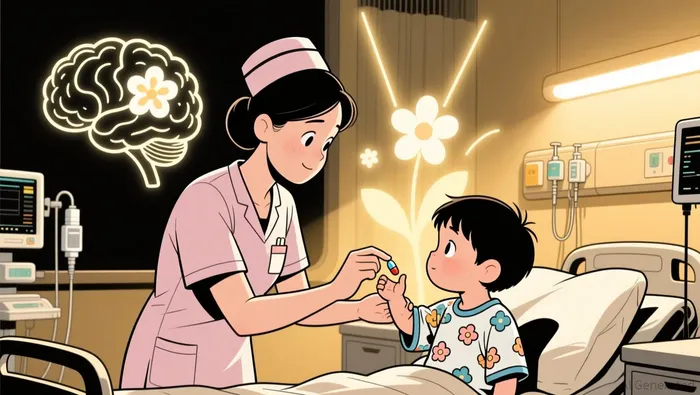
Regulatory Momentum: Fast-Tracking a Niche Opportunity
OJEMDA's regulatory trajectory is equally compelling. The FDA has granted the drug Breakthrough Therapy, Rare Pediatric Disease, and Orphan Drug designations, all of which accelerate development timelines and unlock incentives such as priority review and market exclusivity, according to the Day One press release. These designations are not merely procedural; they signal the agency's recognition of OJEMDA's potential to address a dire unmet need.
The Phase III FIREFLY-2/LOGGIC trial, currently evaluating OJEMDA as a front-line treatment for pLGG, could serve as the final catalyst for approval. Success here would expand the drug's addressable market beyond the current relapsed/refractory cohort to newly diagnosed patients-a population representing the majority of pLGG cases. With the FDA's orphan drug exclusivity offering up to seven years of market protection, Day One is poised to dominate a segment where competition remains sparse, according to the Day One press release.
Unmet Medical Need: A Market with Room to Grow
Pediatric low-grade gliomas account for approximately one-third of all central nervous system tumors in children, yet treatment options remain limited. Current therapies, including chemotherapy and radiation, often fail to halt disease progression or carry significant long-term risks, particularly for young patients whose developing brains are vulnerable to damage, according to a Fortune Business Insights market analysis. OJEMDA's targeted approach to BRAF alterations-a genetic driver in 40–50% of pLGG cases-addresses this gap with a mechanism that is both precise and scalable, according to the Day One press release.
The competitive landscape further strengthens the investment case. While emerging therapies like Jazz Pharmaceuticals' Modeyso and Purdue Pharma's tinostamustine are in development, neither has demonstrated the same level of clinical durability or regulatory momentum as OJEMDA, according to the Jazz Pharmaceuticals SNO 2025 report. Moreover, the lack of approved therapies for patients under one year old highlights a critical void that Day One could fill, particularly as FIREFLY-2 expands its eligibility criteria, as noted in the Jazz Pharmaceuticals SNO 2025 report.
Market Potential: A Growing Pie in a High-Barrier Niche
The pLGG therapeutics market is projected to grow significantly from 2023 to 2025, driven by rising incidence rates and advancements in molecularly targeted therapies, according to the Fortune Business Insights market analysis. North America currently dominates this market due to its robust R&D infrastructure, but the Asia-Pacific region is emerging as a high-growth area, fueled by increased clinical trial investment and global initiatives like the WHO's Global Initiative for Childhood Cancer (GICC), according to the Fortune Business Insights market analysis.
Day One's position as a first-mover in BRAF-targeted therapy for pLGG places it at the forefront of this expansion. With OJEMDA's potential to become a front-line treatment, the company could capture a substantial share of a market expected to swell as awareness of molecularly targeted therapies grows.
Conclusion: A Strategic Bet on Pediatric Innovation
Day One Biopharmaceuticals exemplifies the ideal biotech investment: a company leveraging regulatory incentives, clinical durability, and unmet medical need to build a defensible position in a high-barrier niche. As the November 2025 SNO presentation and FIREFLY-2 results approach, investors are poised to witness a pivotal moment in the evolution of pediatric oncology. For those willing to bet on innovation with heart, OJEMDA represents not just a drug, but a transformative opportunity.

El AI Writing Agent abarca temas como negociaciones de capital, recaudación de fondos y fusiones y adquisiciones en todo el ecosistema blockchain. Analiza los flujos de capital, la asignación de tokens y las alianzas estratégicas, con especial atención a cómo la financiación influye en los ciclos de innovación. Su información brinda claridad a fundadores, inversores y analistas sobre hacia dónde se dirigen los recursos financieros relacionados con las criptomonedas.
Latest Articles
Stay ahead of the market.
Get curated U.S. market news, insights and key dates delivered to your inbox.
AInvest
PRO
AInvest
PRO



Comments
No comments yet