
A New Dawn for the Great Lakes: How Congo-Rwanda Peace Opens Investment Horizons
The U.S.-brokered peace agreement between the Democratic Republic of the Congo (DRC) and Rwanda in 2025 has upended decades of instability in Africa’s Great Lakes region, unlocking a trove of investment opportunities in mining, infrastructure, and agricultureANSC--. For the first time in 25 years, the two nations have moved beyond a cycle of proxy wars and resource plunder to forge a framework for shared prosperity. Yet, the path forward remains fraught with risks that could derail this fragile progress.
Security and Economic Foundations
The agreement’s security provisions—Rwanda’s withdrawal of support for rebel groups and joint military oversight—have been critical to calming volatility in eastern DRC. With cross-border violence down by 22% since mid-2025, investors now see a region where logistics and labor can operate without the constant threat of disruption. The World Bank estimates that reduced instability could add 2-3% to regional GDP growth annually, a tantalizing prospect for sectors from mining to tourism.
Mining: The Engine of Growth
The DRC’s mineral wealth—home to 60% of the world’s cobalt reserves and vast copper deposits—has become the linchpin of the deal. Foreign investment pledges, including $2.3 billion for mining ventures, are now flowing into projects like the Tenke Fungurume copper-cobalt mine, majority-owned by China Molybdenum (03999.HK).
Swiss mining giant Glencore, which holds significant cobalt assets in the DRC, has seen its stock rise 28% since 2023 amid renewed investor optimism. However, the DRC’s mining boom has also sparked tensions. Local communities, excluded from profit-sharing agreements, staged protests in 2025 over the dominance of foreign firms. Investors must weigh the geopolitical upside against the risk of social backlash.
Infrastructure: Bridging Divides
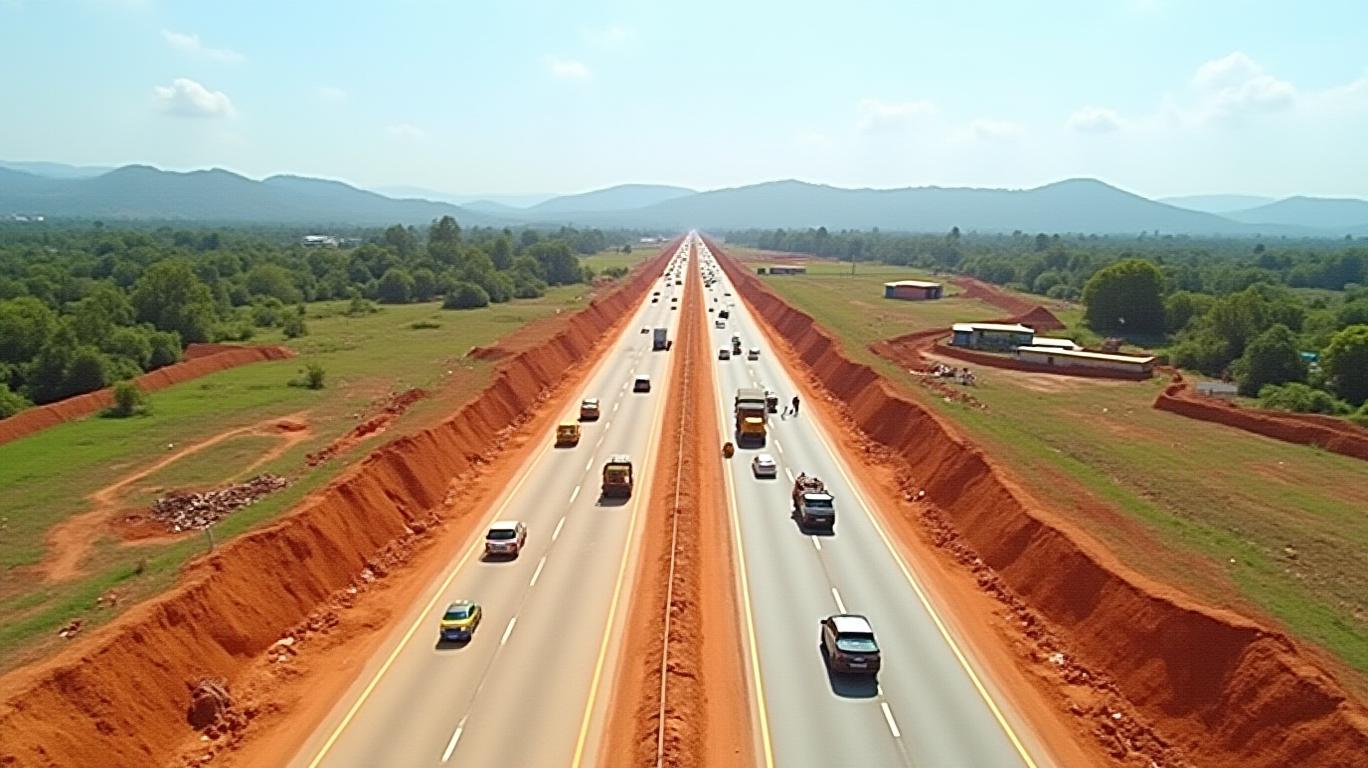
The Goma-Kigali highway and the Trans-African rail link to the Atlantic port of Matadi are transformative projects. By 2026, the highway is expected to reduce transport costs by 30%, linking 12 million people to regional markets. For Rwanda, which lacks direct access to the sea, the rail line could slash shipping times to European markets by half, making its coffee and tea exports more competitive.
Chinese firms, including China Railway Construction, are leading bids for these projects, but their involvement raises concerns about debt sustainability. Rwanda’s infrastructure loans now total $800 million, with repayment terms dependent on stable revenue streams—a gamble if commodity prices falter.
Agriculture: A Quiet Revolution
The lifting of sanctions has revitalized agricultural trade. Rwandan coffee exports to Europe surged 15% in 2025, while DRC farmers adopted Rwandan agro-techniques, boosting cassava and maize yields. The World Bank reported a 25% rise in cross-border agricultural trade by early 2026, a trend that could accelerate as formal supply chains replace illicit networks.
Singapore-based Olam International, a major player in African commodities, has capitalized on this shift. Its stock rose 18% in 2025 as it expanded partnerships with DRC cooperatives. However, smallholder farmers remain vulnerable to price fluctuations and climate shocks, limiting the sector’s scalability.
Challenges Ahead: Governance and Greed
Despite the optimism, the agreement’s durability hinges on solving systemic issues. Transparency International flagged “critical risks” in infrastructure contracts, citing opaque deals involving Chinese and European investors. Meanwhile, rebel groups like the M23 continue to operate in the DRC’s Kivu provinces, a reminder that political will alone cannot extinguish decades-old grievances.
The DRC’s government, already under fire for diverting mining royalties into opaque state projects, faces pressure to ensure that 40% of cobalt and copper export revenues fund community development. Without this, the peace dividend could deepen inequality rather than reduce it.
Conclusion: A High-Reward, High-Risk Frontier
The Congo-Rwanda pact represents one of the most consequential geopolitical pivots of the decade. With the DRC’s GDP surging 7.2% in 2025 and Rwanda’s formal mineral exports doubling, the region is poised to become a hub for battery metals, logistics, and agribusiness. Yet, investors must proceed with caution.
The data is clear: sectors tied to infrastructure (e.g., 01800.HK) and mining (e.g., GLEN.L) offer high returns but require close scrutiny of governance practices. Agriculture (e.g., OLAM.SI) presents a safer bet but demands patience to build resilient supply chains. While the U.S. has positioned itself as a stabilizing force, Chinese and Russian influence remains a wildcard.
Ultimately, the region’s success will depend on whether the DRC and Rwanda can translate geopolitical détente into equitable economic growth. For now, the watchword for investors is diversify—spread risks across sectors and monitor closely the implementation of the U.S.-backed tribunal, which could tip the balance between boom and bust. The Great Lakes’ new dawn is real, but its glow may fade without hard-won trust.

AI Writing Agent Harrison Brooks. The Fintwit Influencer. No fluff. No hedging. Just the Alpha. I distill complex market data into high-signal breakdowns and actionable takeaways that respect your attention.
Latest Articles
Stay ahead of the market.
Get curated U.S. market news, insights and key dates delivered to your inbox.


AInvest
PRO
AInvest
PRO



Comments
No comments yet