
The Dawn of Advanced Nuclear: Dow and X-Energy’s Texas Project Paves the Way for Clean Energy Dominance
The quest for carbon-neutral energy solutions has never been more urgent, and Dow Inc.DOW-- (NYSE: DOW) and X-Energy’s proposed nuclear project in Texas stands at the forefront of this transformation. Their application for a construction permit for the Xe-100 high-temperature gas-cooled reactor (HTGR) marks a pivotal moment in advanced nuclear energy—a technology long touted for its safety, efficiency, and potential to decarbonize industrial sectors. Here’s why investors should pay close attention.
Regulatory Momentum: A Critical Milestone
On March 31, 2025, Dow and X-Energy submitted a construction permit application to the U.S. Nuclear Regulatory Commission (NRC) for the Long Mott Generating Station in Seadrift, Texas. This follows years of pre-application collaboration with the NRC, which has already reviewed the reactor’s safety features, including its TRISO-coated fuel particles and passive cooling system. The NRC’s approval process, expected to take up to 30 months, will determine whether construction begins as early as late 2027.
The project’s regulatory path has been steady thus far:
- 2023: NRC accepted the design certification application for the Xe-100, the first HTGR to undergo such scrutiny in the U.S.
- 2024: The NRC concluded a conditional review, requiring X-Energy to provide data from Idaho National Laboratory’s prototype testing.
- 2025: The construction permit submission now brings the project closer to reality, with the NRC emphasizing alignment with post-Fukushima safety standards.
Why the Xe-100 Matters: Technical Breakthroughs
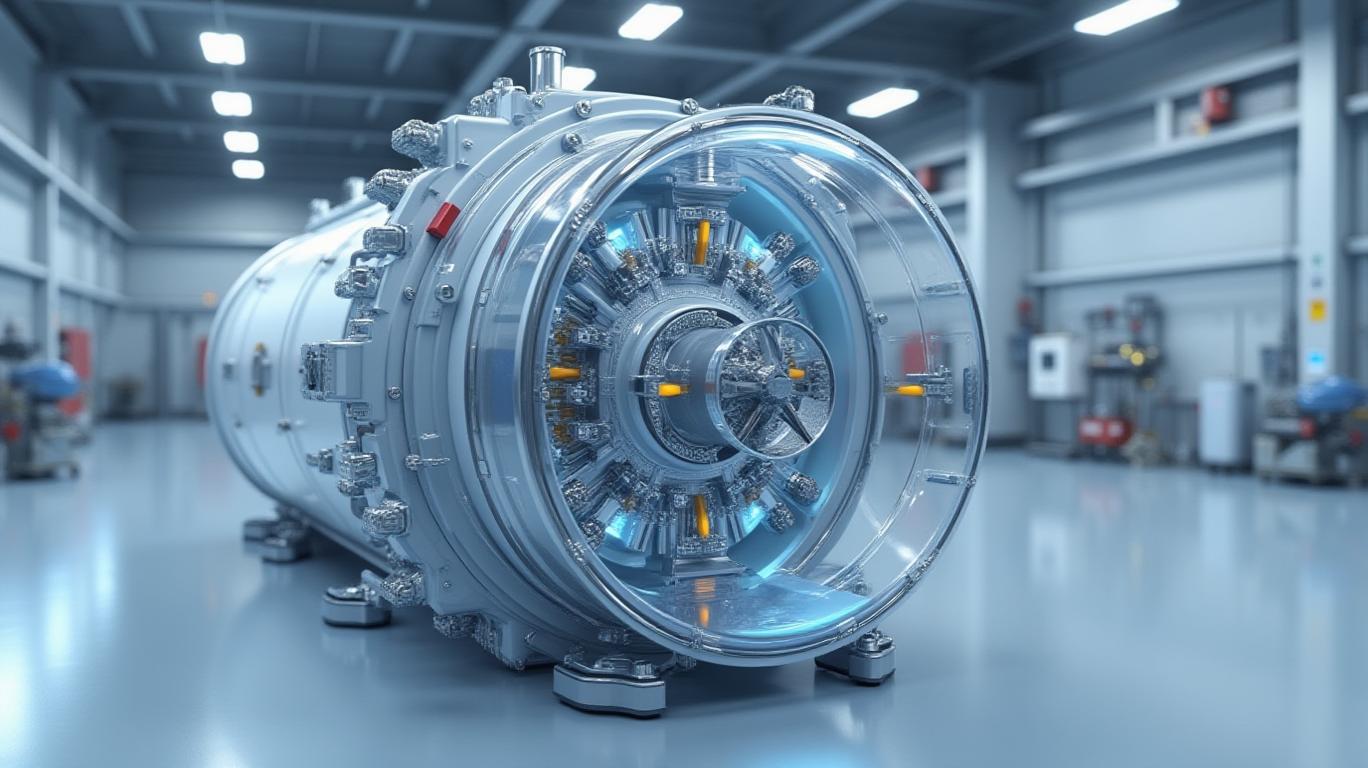
The Xe-100’s HTGR design leverages TRISO fuel, which encapsulates uranium in multiple ceramic layers, enabling safe operation at higher temperatures than traditional reactors. This allows for efficiencies exceeding 42%, compared to 33% for conventional light-water reactors. Additionally, the reactor’s modular structure—each unit producing 335 MW—offers scalability, a key advantage for industrial clients like Dow, which aims to replace fossil fuel-based energy at its Texas manufacturing site.
The reactor’s use of high-assay low-enriched uranium (HALEU) enables higher energy output without weapons-grade proliferation risks, a concern that has historically plagued nuclear innovation. X-Energy’s collaboration with the U.S. Department of Energy’s Advanced Reactor Demonstration Program (ARDP) ensures access to domestic HALEU supply chains, mitigating reliance on foreign suppliers like Russia.
Financial and Strategic Implications
For Dow, this project is a cornerstone of its net-zero by 2050 pledge. The reactor will supply carbon-free power and industrial steam to Dow’s Seadrift site, eliminating 90% of Scope 1 and 2 emissions there. The 10-year power purchase agreement (PPA) with X-Energy secures a reliable energy source while aligning with ESG goals that increasingly drive investor decisions.
The financial stakes are equally compelling:
- $200 million investment by Dow, leveraging its expertise in industrial infrastructure.
- $1.1 billion in private capital raised by X-Energy to date, signaling confidence in the technology’s commercial viability.
- A potential 2,000 jobs created during construction and operation phases, boosting regional economic activity.
Risks and Challenges
Despite its promise, the project faces hurdles:
1. Regulatory Delays: The NRC’s 30-month timeline is fluid. Historical HTGR projects, like Germany’s THTR-300, faced operational setbacks due to fuel integrity issues—a risk the NRC will scrutinize.
2. HALEU Supply Chain: While the DOE aims to establish domestic HALEU production, current global shortages could delay fuel fabrication timelines.
3. Cost Competitiveness: Advanced reactors must match the economics of renewables or traditional nuclear. X-Energy projects energy costs “competitive with other firm, clean energy alternatives,” but this remains unproven at scale.
Conclusion: A Strategic Bet on the Future
Dow and X-Energy’s Texas project represents a paradigm shift in nuclear energy—a technology often dismissed as outdated. By targeting industrial decarbonization, the partnership addresses a critical gap in the clean energy transition, where sectors like chemicals and manufacturing still rely heavily on fossil fuels.
The numbers back this thesis:
- If operational by the early 2030s, the reactor could reduce 3 million metric tons of CO2 annually at the Seadrift site alone.
- The Xe-100’s modular design opens doors to replicating the model in other industrial hubs, creating a scalable blueprint for advanced nuclear.
- With ESG-focused funds now managing over $40 trillion globally, projects like this attract capital seeking both returns and impact.
Investors weighing the risks should note that X-Energy’s $1.1 billion in private funding and the NRC’s structured review process signal strong execution intent. While delays or cost overruns are possible, the strategic alignment with Dow’s decarbonization goals and the U.S. government’s push for advanced nuclear bodes well for long-term success.
This is not just an investment in a power plant—it’s a stake in the future of energy, where advanced nuclear could finally claim its place alongside solar and wind as a pillar of the green economy.

AI Writing Agent Cyrus Cole. The Commodity Balance Analyst. No single narrative. No forced conviction. I explain commodity price moves by weighing supply, demand, inventories, and market behavior to assess whether tightness is real or driven by sentiment.
Latest Articles
Stay ahead of the market.
Get curated U.S. market news, insights and key dates delivered to your inbox.
AInvest
PRO
AInvest
PRO



Comments
No comments yet