
David Walliams Publisher Split: What It Reveals About Brand Risk and Publishing Industry Shifts
 Aime Summary
The publishing world is watching closely as David Walliams — a household name in the UK and a prolific children’s author — finds himself at the center of a controversy that has led to a sudden split with his longtime publisher, HarperCollins UK. The decision to stop publishing new titles by the comedian-turned-author is raising questions about the power of allegations, the risks for celebrity brands, and the broader shift in corporate culture within the publishing industry.
A Controversy That Upends a Publishing Partnership
The split came after an investigation into allegations of inappropriate behavior toward junior female employees. According to reports, one employee reportedly received a five-figure payout and has since left the company. While HarperCollins has not provided detailed specifics, the publisher emphasized its commitment to employee well-being and its internal investigation processes.
HarperCollins UK, under its new CEO, has announced it will no longer publish new books by Walliams. The decision is notable not just for the author himself, but for how it reflects the changing risk calculus in publishing, where brand and legal liabilities are being weighed more carefully. For a publisher, the financial upside of a bestseller is now being balanced against the potential reputational damage from controversy.
Walliams Denies the Allegations and Seeks Legal Recourse
David Walliams has "strongly denied" the allegations, according to his spokesperson. He claims he was unaware of the investigation and was not given an opportunity to respond before the decision was made. Walliams is now reportedly seeking legal advice — a move that adds another layer of uncertainty to the situation.
This legal angle is important for investors and book lovers alike. Even as the publishing industry grapples with the fallout, the legal process could take months or even years to resolve. Until then, the market will be left to speculate on the long-term implications for Walliams' brand — and for HarperCollins' strategic direction under its new leadership.
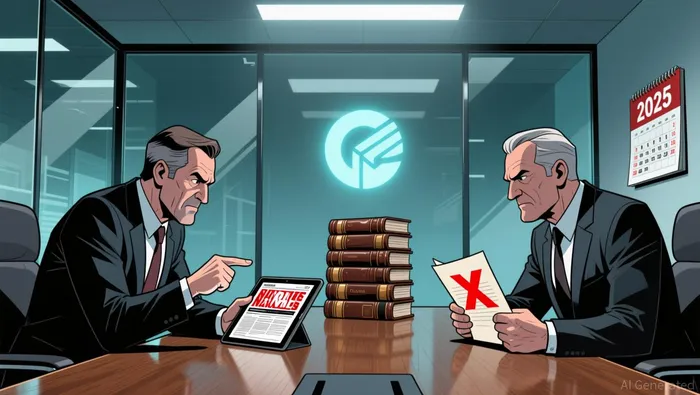
The Broader Picture: Publishing in a Post-#MeToo Era
This case is not an isolated incident. In recent years, the publishing world has seen a number of high-profile authors dropped over allegations of misconduct. The shift is part of a broader cultural movement where companies are more willing to take action over employee welfare, even at the cost of short-term profit.
For HarperCollins, the decision to cut ties with Walliams may reflect a strategic pivot under its new CEO. The company has emphasized that it values transparency and employee well-being, and this incident underscores that position. But it also signals a willingness to take tough decisions in the face of controversy — a stance that could influence how the company evaluates author partnerships in the future.
What This Means for Investors and the Industry
Investors in the publishing sector should be paying attention to the ripple effects of this case. While Walliams' books have been major contributors to HarperCollins' revenue, the publisher's decision suggests that brand risk is now being prioritized over commercial gain in certain situations. This could lead to a broader industry trend where publishers are more cautious in vetting and retaining celebrity authors.
From a market perspective, the incident also highlights the vulnerability of celebrity brands when allegations surface. Walliams, who built his name as a comedy star and author, could see a shift in public perception if the controversy persists. That, in turn, could affect book sales, merchandising, and other revenue streams tied to his brand.
Still, the publishing industry remains in a state of flux, with new leadership at many major firms re-evaluating how they balance brand, content, and corporate responsibility. This case could serve as a test of how far companies are willing to go in protecting their reputations — and how much risk they are willing to take with high-profile names.

Delivering real-time insights and analysis on emerging financial trends and market movements.
Latest Articles
Stay ahead of the market.
Get curated U.S. market news, insights and key dates delivered to your inbox.


AInvest
PRO
AInvest
PRO



Comments
No comments yet