
David Ellison's Media M&A Battle: What Recent Data Means for Investors


 Aime Summary
Media dealmaking has taken center stage in 2025, with David Ellison's aggressive pursuit of Warner Bros.WBD-- Discovery (WBD) capturing headlines and reshaping the competitive landscape. The stakes are high, not only for WBDWBD-- but also for streaming giants like NetflixNFLX--, which has now joined the fray with its own blockbuster bid. With billions on the line and antitrust concerns looming, this battle could redefine the streaming and media industries — and investors are watching closely.
Who Is David Ellison and Why WBD Matters
David Ellison, CEO of Paramount Global and a longtime media executive, is the son of Oracle co-founder Larry Ellison. But in recent months, he's made a name for himself as a relentless acquirer in the entertainment sector. WBD, the owner of HBO, Discovery Channel, and the DC universe, is a crown jewel in the media world — and a prime target for consolidation.
Ellison first made waves in 2025 with a $30-per-share all-cash offer for WBD, totaling . That offer, , signaled a serious play for control of the entire media giant according to analysts. But it was not an easy move. , according to reports.
The M&A War Heats Up
The battle for WBD is more than just a corporate takeover — it's a high-stakes chess match between two of the biggest players in streaming. Netflix's offer, while slightly lower, is no small sum and includes a mix of cash and stock. The deal, however, requires WBD to spin off its global networks division by Q3 2026 before the acquisition can close according to the terms.
But Ellison is undeterred. according to CNBC. That kind of liquidity is rare in the media world, especially in an environment where many firms are still deleveraging. The deal includes significant backing from the Ellison family and RedBird Capital, according to market analysis.
What's more, the competition is having an unexpected side effect: it's already made WBD's CEO, , a millionaire — if not a billionaire. according to financial reports.
What This Means for Investors
The WBD saga is more than just a tale of corporate ambition — it reflects broader trends in the media and tech sectors. For one, it shows how streaming is becoming increasingly consolidated. With Netflix, Paramount, and even traditional media players like Discovery vying for dominance, the days of hundreds of streaming platforms may be numbered.
However, this kind of consolidation comes with risks. The U.S. Department of Justice and the European Union are already scrutinizing the Netflix-WBD deal according to regulatory filings, and the same regulatory challenges will likely apply to Paramount's bid according to industry experts. That means investors should be prepared for delays and potential reshaping of the deals.
Another key angle is the shift in dealmaking strategies. In 2025, according to industry data. Ellison's WBD play is part of that broader trend. 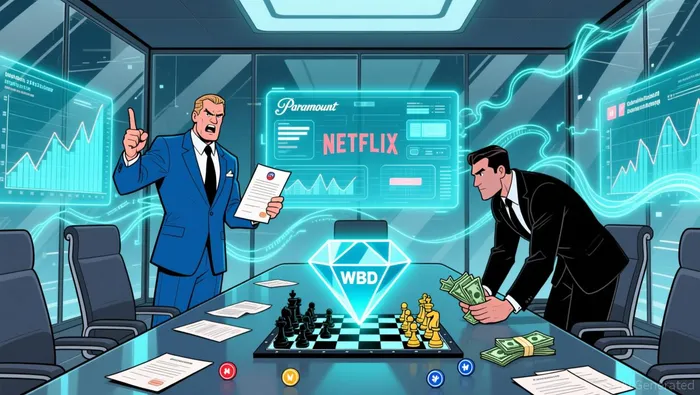 If the deal goes through, it could set a new benchmark for what streaming and media companies are worth in an AI-driven world.
What's Next and What to Watch
The final word in this story is still unwritten. Paramount's tender offer expires on January 8, 2026 according to the official timeline, and WBD shareholders will have a say in whether to accept it or go with Netflix's offer. That means the outcome is far from certain — and the market will be watching every move.
Investors should also keep an eye on regulatory developments. The DOJ and EU have signaled strong pushback against the Netflix-WBD deal according to public statements, and it's unclear whether the same scrutiny will apply to Paramount. A rejected or modified deal could send ripples through the entire media M&A market.
One thing is clear: the stakes are high, and the outcome will likely influence how media and streaming companies are valued in the coming years. For now, the battle for WBD continues — and the winner may well shape the future of entertainment for a long time to come.
(https://www.stocktitan.net/news/WBD/paramount-launches-all-cash-tender-offer-to-acquire-warner-bros-x8d8751xp1yj.html): Paramount launches $30 all-cash bid for Warner Bros(https://finance.yahoo.com/news/netflix-officially-buying-warner-bros-121827733.html): Netflix & Warner Bros. Discovery Confirm $82.7B Mega Deal(https://www.quiverquant.com/news/Ellison%E2%80%99s+All-Cash+Offer+%28WBD%29+Reshapes+the+Media+M%26A+Landscape): Ellison's All-Cash Offer (WBD) Reshapes the Media M&A Landscape(https://www.cnbc.com/2025/12/05/paramount-david-ellison-wbd-bidding-war-hostile-bid.html): David Ellison's hunt for WBD made David Zaslav richer(https://www.aol.com/articles/paramount-skydance-sees-q3-loss-211821639.html): Paramount Skydance Sees Q3 Loss on Revenue Shortfalls(https://www.bloomberg.com/news/newsletters/2025-12-08/technology-dealmakers-hit-1-trillion-record-amid-ai-boom): Technology Dealmakers Hit $1 Trillion Record Amid AI Boom

Delivering real-time insights and analysis on emerging financial trends and market movements.
Latest Articles
Stay ahead of the market.
Get curated U.S. market news, insights and key dates delivered to your inbox.
AInvest
PRO
AInvest
PRO



Comments
No comments yet