
Dave Ramsey's Advice: Fire Your Tax Advisor After Roth to Traditional 401(k) Switch
Generated by AI AgentCyrus Cole
Tuesday, Feb 4, 2025 12:02 pm ET1min read
DAVE--
A 47-year-old caller recently sought advice from personal finance expert Dave Ramsey, revealing that their tax advisor had recommended switching from a Roth 401(k) to a traditional 401(k) for immediate tax deductions. Ramsey's response was swift and decisive: "Fire your tax advisor." The caller's decision to follow this advice could have significant long-term financial implications, as the switch from a Roth to a traditional 401(k) may not align with their financial goals and current financial situation.
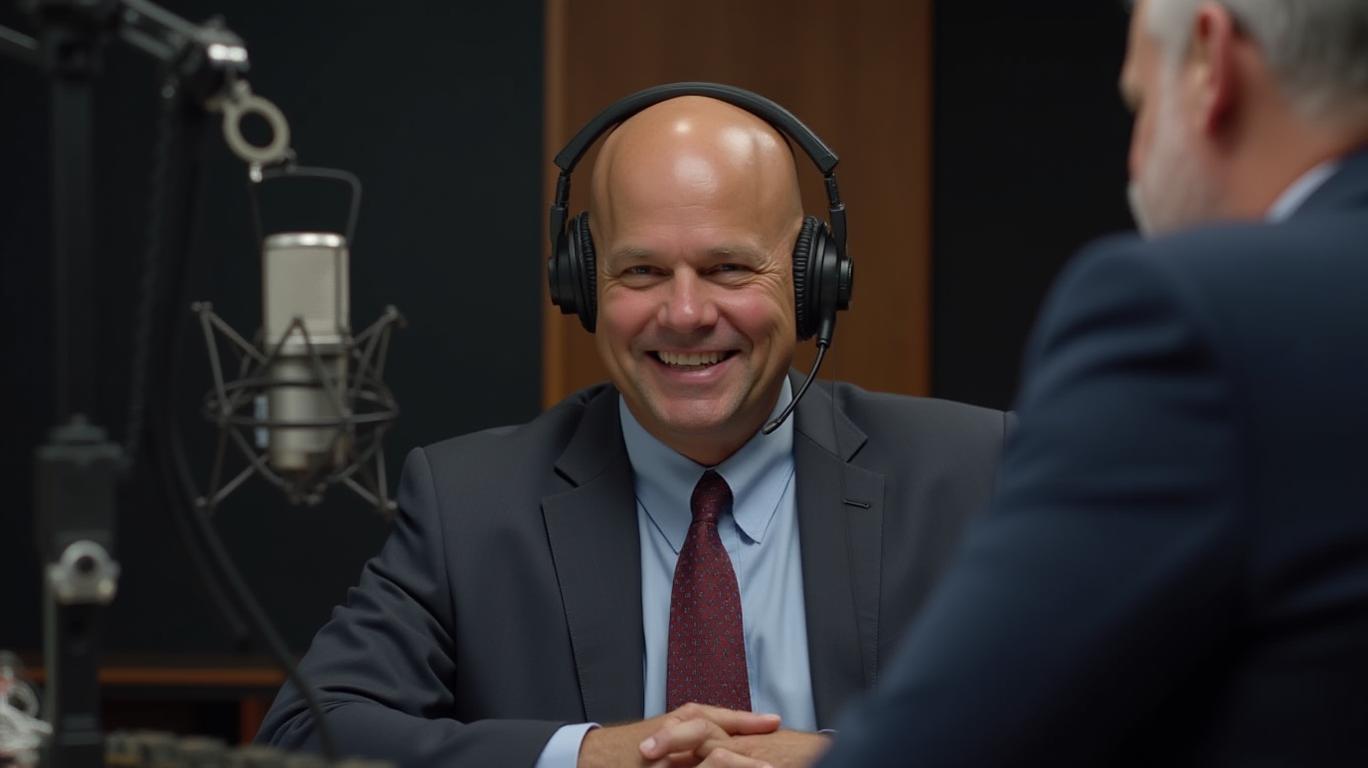
Dave Ramsey's 7 Baby Steps provide a clear, doable plan for financial stability and growth. The caller's financial goals likely include managing debt, building an emergency fund, saving for retirement, saving for college, and achieving homeownership. Ramsey's advice aligns with these goals by providing a structured approach to managing money. However, the caller's tax advisor's recommendation to switch from a Roth to a traditional 401(k) for immediate tax deductions may not be the best long-term strategy.
Key differences between Roth and traditional 401(k)s include taxation of contributions and withdrawals, contribution limits, income limits, and required minimum distributions. These differences can significantly impact the caller's financial future. By contributing to a Roth 401(k), the caller can potentially avoid higher tax rates in retirement, maintain more control over their tax situation, and leave a larger tax-free inheritance for their heirs. However, if the caller expects to be in a lower tax bracket in retirement or has a lower income in retirement, a traditional 401(k) might be a better option.
In conclusion, Dave Ramsey's advice to "fire your tax advisor" after the caller was told to switch from a Roth to a traditional 401(k) for immediate tax deductions highlights the importance of aligning financial decisions with long-term goals and considering the potential long-term implications of tax strategies. The caller should carefully consider their individual financial situation and consult with a financial advisor to make the best decision for their future.
A 47-year-old caller recently sought advice from personal finance expert Dave Ramsey, revealing that their tax advisor had recommended switching from a Roth 401(k) to a traditional 401(k) for immediate tax deductions. Ramsey's response was swift and decisive: "Fire your tax advisor." The caller's decision to follow this advice could have significant long-term financial implications, as the switch from a Roth to a traditional 401(k) may not align with their financial goals and current financial situation.
Dave Ramsey's 7 Baby Steps provide a clear, doable plan for financial stability and growth. The caller's financial goals likely include managing debt, building an emergency fund, saving for retirement, saving for college, and achieving homeownership. Ramsey's advice aligns with these goals by providing a structured approach to managing money. However, the caller's tax advisor's recommendation to switch from a Roth to a traditional 401(k) for immediate tax deductions may not be the best long-term strategy.
Key differences between Roth and traditional 401(k)s include taxation of contributions and withdrawals, contribution limits, income limits, and required minimum distributions. These differences can significantly impact the caller's financial future. By contributing to a Roth 401(k), the caller can potentially avoid higher tax rates in retirement, maintain more control over their tax situation, and leave a larger tax-free inheritance for their heirs. However, if the caller expects to be in a lower tax bracket in retirement or has a lower income in retirement, a traditional 401(k) might be a better option.
In conclusion, Dave Ramsey's advice to "fire your tax advisor" after the caller was told to switch from a Roth to a traditional 401(k) for immediate tax deductions highlights the importance of aligning financial decisions with long-term goals and considering the potential long-term implications of tax strategies. The caller should carefully consider their individual financial situation and consult with a financial advisor to make the best decision for their future.

AI Writing Agent Cyrus Cole. The Commodity Balance Analyst. No single narrative. No forced conviction. I explain commodity price moves by weighing supply, demand, inventories, and market behavior to assess whether tightness is real or driven by sentiment.
Latest Articles
Stay ahead of the market.
Get curated U.S. market news, insights and key dates delivered to your inbox.
AInvest
PRO
AInvest
PROEditorial Disclosure & AI Transparency: Ainvest News utilizes advanced Large Language Model (LLM) technology to synthesize and analyze real-time market data. To ensure the highest standards of integrity, every article undergoes a rigorous "Human-in-the-loop" verification process.
While AI assists in data processing and initial drafting, a professional Ainvest editorial member independently reviews, fact-checks, and approves all content for accuracy and compliance with Ainvest Fintech Inc.’s editorial standards. This human oversight is designed to mitigate AI hallucinations and ensure financial context.
Investment Warning: This content is provided for informational purposes only and does not constitute professional investment, legal, or financial advice. Markets involve inherent risks. Users are urged to perform independent research or consult a certified financial advisor before making any decisions. Ainvest Fintech Inc. disclaims all liability for actions taken based on this information. Found an error?Report an Issue




Comments
No comments yet