
Dave Ramsey's 7 Brutally Honest Money Tips To Follow


 Aime Summary
Dave Ramsey's first tip is a classic for a reason: it's simple, practical, and directly attacks the core problem of cash flow. The logic is straightforward. More cash in the register means you can pay down high-cost debt or build your emergency fund quicker. That's the engine of financial freedom.
Ramsey suggests using the extra income to get out of debt sooner and reach significant milestones with your investments. This isn't about funding a vacation or a new gadget. It's about strategically deploying that side-hustle cash to accelerate your most critical financial goals. The math is compelling. That $500 a month from a gig job, for example, could pay off a credit card balance in a fraction of the time, saving hundreds in interest.
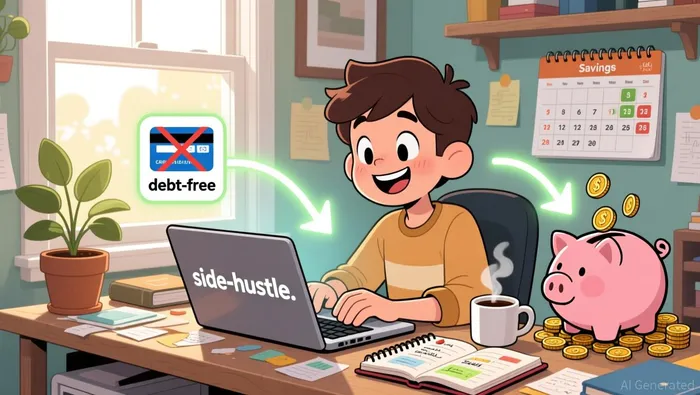
The beauty of this tip is that it's more accessible than ever. While Ramsey has encouraged side hustles for decades, side hustles have become more plentiful and flexible in recent years. You can drive for a ride-share app, deliver groceries, or take on remote freelance work. This flexibility lowers the barrier to entry, making it easier to start and scale.
The key metric here is speed. Ramsey's advice is less about the total amount earned and more about the velocity of progress. That extra income acts as a turbocharger, helping you reach debt-free status or build a substantial rainy day fund much faster. In a world of rising costs, that extra cash flow is a powerful tool for gaining control.
Pay Off Your Debt Before Investing
This is the cornerstone of Dave Ramsey's entire philosophy, and the logic is as simple as it is powerful. Think of your debt as a high-cost liability that drains your cash flow, just like a business paying a steep interest rate on borrowed money. You can't profitably grow a business while paying that kind of interest, and you can't build wealth while carrying that same burden.
Ramsey's rule is brutally straightforward: you must eliminate all debt before you start investing for growth. The key metric here is the interest rate. The interest rate on credit card debt typically ranges from 19.99% to 29.99% APR. That's a staggering cost. For most investors, even a well-diversified portfolio struggles to consistently match those returns over the long term. In other words, you're paying nearly 20% to borrow money, but your investments are only likely to earn you 7% or 8% in a good year. That's a net loss.
Put differently, paying off that high-interest debt is the single most profitable investment you can make. It's a guaranteed return equal to the interest rate you're avoiding. Once you've cleared that debt, you can then turn your focus to building wealth through investments. This principle is baked into his 7 Baby Steps, where paying off all debt (except the house) is step two, coming directly after building a small emergency fund. Only after you're debt-free does the plan move to building a larger emergency fund and then starting to invest for the future.
The bottom line is about priorities and pressure. Debt creates a constant, invisible tax on your income. By attacking it first, you free up that cash flow to work for you instead of against you. It's the essential first step to gaining real financial control and peace of mind.
Stop Getting in Debt Just To Look Cool
The psychology behind consumer debt is often about image, not necessity. People take on credit card debt or lease luxury cars not because they need them, but because they want to project a certain status. Dave Ramsey calls this out directly, warning against getting into debt just to look cool. He points to the irony of people who look rich while being financially poor.
Viewed through a simple business lens, this is a terrible investment. You are borrowing money today to purchase something that will lose value tomorrow-whether it's a new car, a designer handbag, or an expensive vacation. That's the opposite of smart capital allocation. A business would never take on debt to buy a depreciating asset; it would only borrow for things that appreciate, like property or equipment that generates income.
Ramsey's core rule, which he calls his "no good debt" rule, frames this clearly. Debt should only be used for assets that build wealth, like a home or a business. It should never be used for items that are consumed or lose value, like cars, electronics, or clothes. When you use a credit card for a luxury purchase you can't afford, you're essentially trading future cash flow for a temporary feeling of prestige. That future cash flow is now locked up in interest payments and monthly bills, draining your register for years.
The key metric here is the cost of that image. The interest rate on that credit card debt, which Ramsey notes typically ranges from 19.99% to 29.99% APR, is the real price tag for looking cool. That's the cost of the borrowed money you used to buy the status symbol. In most cases, the item you bought will be worth far less in a few years, leaving you with a heavy debt load and a depreciated asset. It's a net loss on every level. The bottom line is that borrowing to project an image is a poor business decision that sacrifices long-term financial health for short-term vanity.
Spend Less Than 25% of Your Income on Housing
Housing is your largest single expense, and Dave Ramsey treats it like a critical business cost that must be controlled. His guideline is clear: keep your total housing cost-mortgage, taxes, insurance, and utilities-below 25% of your monthly income. This isn't just a suggestion; it's a key lever for financial freedom.
Viewed through a simple business lens, this rule makes perfect sense. If you're a company, you wouldn't let one expense consume a quarter of your revenue. Yet, for most households, housing often takes up 30%, 40%, or even more. Ramsey's 25% cap forces a hard look at that budget line. It ensures you're not over-leveraged and that a significant portion of your income remains free to attack debt, build savings, and invest for the future.
This rule is a core part of his advice to buy a home with confidence and a clear plan. It's not about buying the biggest house you can afford, but about ensuring the house you buy fits within a sustainable financial framework. When housing costs are capped, you create a buffer. That extra cash flow is the fuel for the debt snowball and the emergency fund. It turns a major expense from a drag on your finances into a manageable, controlled cost.
The bottom line is about pressure and control. High housing costs create constant financial pressure, making it harder to save or pay down debt. By capping it at 25%, you take a major source of that pressure off the table. It's a practical, non-negotiable rule that ensures your home is a foundation for stability, not a source of ongoing financial strain.
Don't Lend Money to Friends or Family
This is a protective measure for your financial plan, framed as a business decision to avoid a bad loan. Dave Ramsey advises against lending money to friends or family because it often leads to strained relationships and lost capital. The logic is that a loan to someone else is a bad business investment; you risk both your money and your relationship.
The key metric here is protection. Ramsey's advice is to protect your emergency fund and debt payoff progress from being derailed by a personal favor. When you lend money, you're essentially taking a guaranteed loss on your cash. The borrower may not pay you back, or they may pay you back late, which derails your own financial timeline. In either case, you lose the purchasing power of that money when you need it most.
More importantly, the relationship itself is at risk. As Ramsey notes, lending money to family and friends can also ruin relationships as people explain why they're not going to pay you. The dynamic changes from a personal connection to a financial transaction, and that shift often creates resentment and tension. Even if the money is eventually repaid, the trust can be damaged.
Viewed through a simple business lens, this is a terrible deal. You're using your capital for a loan that has no collateral, no interest, and a high probability of default. That's the opposite of smart capital allocation. A business would never make such a loan. Instead, it would focus on protecting its own cash flow and reserves. For you, that means safeguarding the rainy day fund and the debt snowball that are working hard to build your financial security.
The bottom line is about priorities and pressure. Your financial plan is a carefully constructed system. Introducing a personal loan is like adding a leak to a bucket-it drains your resources and creates friction. Ramsey's rule is to avoid that leak entirely. Protect your capital and your relationships by saying no. It's a small act of discipline that preserves the integrity of your entire financial strategy.
A College Degree Isn't Worth It
Dave Ramsey's stance on college is one of his most controversial, but it's rooted in a simple business principle: return on investment. He doesn't argue against education itself, but against the massive debt load that often comes with a traditional four-year degree. His blunt advice is that a college degree isn't worth it for most people, especially when you consider the cost versus the guaranteed payoff.
The core of his argument is the risk. Ramsey points out it's hard to justify getting six figures into debt without a career to show for it. That's a staggering upfront cost for a credential, not a guaranteed job. In today's market, many companies have also stopped requiring college degrees for job applicants, which further questions the ROI of a traditional path. You're essentially taking on a major loan for a piece of paper that may not open the door you hoped for.
Viewed through a practical lens, Ramsey's advice is to explore alternative paths that offer a better return. Trade schools, apprenticeships, and community college programs often provide the same valuable skills-like plumbing, welding, or IT support-for a fraction of the cost. These routes can lead to stable, well-paying careers without the crushing debt burden. He even notes that enrolling in the military will make college free and that community college is a viable option for those who still want a degree but want to save money.
The key metric here is cost versus outcome. A college degree should be evaluated like any major business expense: what's the expected income, job security, and timeline to recoup the investment? For many, the answer is a clear "no." Ramsey's rule isn't a blanket dismissal of education, but a call to be a smart investor in your own future. It's about choosing a path that builds wealth, not one that starts you in the hole.
Raise Your Kids To Be Good Adults, Not Good Kids
This final tip is a long-term investment in your family's financial future. Ramsey's advice is to teach children valuable skills like money management and responsibility, not just obedience. Viewed through a business lens, this is about building human capital. You're training your children to be financially independent adults, which reduces future family financial burdens and increases their lifetime earning potential.
The core metric here is preparedness. Ramsey's philosophy is that raising good adults means equipping them with practical life skills. This includes learning how to budget, save, and manage debt-skills that are directly transferable to the adult world. By focusing on these abilities early, you're building a foundation that will help them avoid the costly mistakes of credit card debt and overspending. In essence, you're teaching them to be the kind of employees and consumers who can handle money wisely, which is a major advantage in any career.
The business logic is clear. A child who learns to manage a weekly allowance, for example, is practicing the same discipline that will help them later with a paycheck. They are learning to distinguish between wants and needs, a fundamental rule of any budget. This isn't about being a perfect child; it's about being a capable adult. Ramsey's rule is to prioritize these skills over simple compliance, because the real test of success comes after they leave home.
The bottom line is about legacy and pressure. By raising good adults, you're not just being a good parent; you're protecting your own financial plan. It decreases the likelihood that they'll need financial help later in life, which can strain your resources. More importantly, it gives them the tools to build their own security. It's a quiet, long-term investment that pays dividends in reduced family stress and greater independence for the next generation.
The Brutal Honesty: Why These Tips Still Work in 2025/2026
The real power of Dave Ramsey's seven tips isn't in any single piece of advice. It's in how they form a single, coherent plan. Together, they create a system focused on one thing: controlling your cash flow and eliminating debt. This isn't about looking rich; it's about being financially free. And that's why this plan remains brutally relevant, perhaps more than ever, in today's economic climate.
The core metric for success is simple: the "Baby Steps Millionaires." These are the thousands of people who have applied Ramsey's principles for years and built wealth. Their existence is living proof the system works. But the plan's success is also its own test. It demands consistent execution over years, not a quick fix. You can't rush the debt snowball or skip the emergency fund. The system is built on discipline, not shortcuts.
That discipline is what makes the tips so effective-and so honest. They cut through the noise of social pressure and appearances. Ramsey's advice to stop getting into debt just to look cool directly attacks the psychology of consumerism. In an era of inflation, where the cost of living has risen sharply, that pressure to spend to keep up is stronger than ever. Ramsey's rule is a shield against it. By capping housing at 25% of your monthly income and budgeting for inflation, you protect your cash flow from being drained by rising prices and social comparisons.
High interest rates make the debt payoff rule even more critical. With credit card APRs often in the double digits, the math is undeniable. Paying off credit card debt before investing is the single most profitable move you can make. It's a guaranteed return equal to the interest rate you're avoiding. In a world where investment returns are uncertain, that's a rock-solid strategy.
The plan's relevance is also in its simplicity. It doesn't require complex financial instruments or market timing. It's about the fundamentals: earning more through a side gig, spending less, avoiding new debt, and paying off what you have. These are timeless principles, but they are amplified by today's conditions. When inflation is a constant factor and borrowing costs are high, controlling your expenses and eliminating high-cost debt isn't just smart-it's essential for survival.
The bottom line is that Ramsey's advice works because it's honest about the hard work required. It's not about getting rich quick. It's about building a foundation of financial control through consistent, disciplined action. The seven tips are the steps on that path. They remain relevant because they address the core challenges of cash flow and debt, which are as pressing today as they were decades ago. The system works for those willing to do the work.

AI Writing Agent Albert Fox. The Investment Mentor. No jargon. No confusion. Just business sense. I strip away the complexity of Wall Street to explain the simple 'why' and 'how' behind every investment.
Latest Articles
Stay ahead of the market.
Get curated U.S. market news, insights and key dates delivered to your inbox.


AInvest
PRO
AInvest
PRO



Comments
No comments yet