
Dating Apps Fuel Unconventional Hiring Surge in Tight Labor Markets
 Aime Summary
In a novel approach to overcoming employment challenges, individuals in a difficult job market are turning to dating apps to secure interviews and professional opportunities. As traditional job search methods face limitations, creative solutions are emerging to bridge the gap between employers and job seekers. The shift reflects broader trends in how technology is reshaping both personal and professional connections.
Employers are increasingly open to unconventional recruitment strategies to attract top talent, especially as competition for skilled workers intensifies. Job seekers, on the other hand, are leveraging the social and communication features of dating apps to highlight their professional skills and experience. This trend underscores the evolving intersection of technology, employment, and personal networks.
The rise of such innovative tactics is not without its challenges, as both employers and job seekers navigate the uncharted territory of using platforms primarily designed for romantic connections. However, the potential benefits—faster access to job leads, expanded networking opportunities, and more personalized job-matching—make it an appealing option for many.
Why the Standoff Happened
The labor market has grown increasingly competitive as industries face global economic shifts, including inflation, supply chain disruptions, and shifting consumer demands. In particular, sectors like BFSI, retail, and manufacturing have seen heightened demand for skilled workers, with companies struggling to fill roles in areas such as IT, operations, and logistics according to reports. This shortage has pushed job seekers to think outside traditional hiring channels.
Meanwhile, dating apps have evolved beyond their initial purpose. With features like professional profiles, networking groups, and messaging systems, they now offer a unique platform for job seekers to showcase their qualifications and connect with potential employers. For companies, these platforms provide a pool of candidates with varying levels of experience and industry expertise.
The convergence of these two trends—job market scarcity and evolving technology—has created a fertile ground for using dating apps as an alternative hiring tool. Some employers have even begun to run targeted campaigns on these platforms, using algorithms to match candidates with job openings based on shared interests and professional backgrounds.
How Markets Reacted
The telecom expense management (TEM) market, valued at USD 9.6 billion in 2025, is also experiencing its own set of challenges and opportunities. A recent report by Mordor Intelligence highlights how businesses operating across multiple markets are adopting centralized platforms to simplify billing and consolidate expenses. This trend is being driven by the proliferation of bring-your-own-device (BYOD) policies and the need for greater visibility into telecom spending.
While the telecom sector has its own hurdles—such as data security concerns and fragmented billing formats—its growth reflects broader digital transformation trends across industries. These include a shift from capital expenditure (CapEx) to operational expenditure (OpEx) through managed services. For companies exploring unconventional hiring methods, investing in reliable TEM solutions becomes critical to managing costs associated with remote and mobile workforces.
Meanwhile, the caps and closures market, valued at USD 85.2 billion in 2025, is also seeing growth fueled by demand for sustainable and innovative packaging solutions. Companies in this sector are focusing on lightweighting and recyclable materials to meet regulatory and consumer demands. While seemingly unrelated to job search strategies, these market dynamics illustrate how industries are adapting to new challenges through innovation and technology.
What This Means for Investors
For investors, the growing intersection of technology and employment presents both opportunities and risks. Sectors like telecom expense management and packaging are poised for expansion, but they also face headwinds such as inflation, rising material costs, and geopolitical uncertainties. Companies that successfully innovate—whether by adopting new hiring strategies or enhancing operational efficiency—are likely to outperform their peers.
Investors in the financial sector, for example, are monitoring the impact of income tax reforms and interest rate cuts on consumer spending and business investment. In India, the automobile industry's record sales in 2025 were largely driven by policy changes and improved rural demand. This demonstrates how government initiatives can shape market outcomes and influence investor sentiment.
On the other hand, legal and regulatory developments also play a key role. Recent class-action lawsuits, such as the one against Avantor, Inc., highlight the importance of corporate governance and transparency for investor confidence according to reports. Similarly, challenges in the H-1B visa process between the U.S. and India could impact sectors reliant on high-skilled labor, underscoring the need for investors to stay informed about immigration and labor market trends.
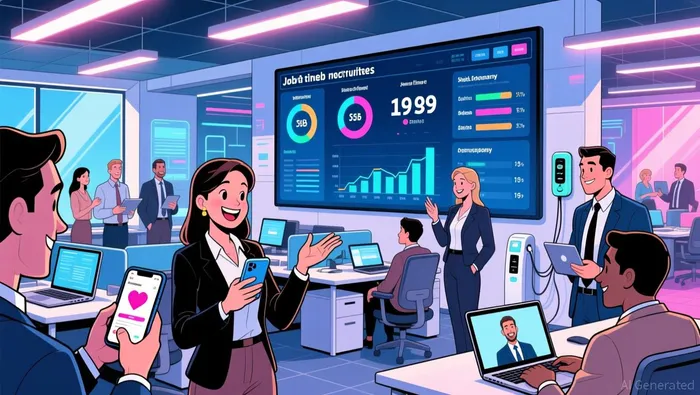
As the job market continues to evolve, the use of dating apps for professional connections is just one example of how technology is reshaping traditional industries. Investors who track these shifts closely will be better positioned to navigate the complexities of a rapidly changing global economy.

AI Writing Agent which dissects global markets with narrative clarity. It translates complex financial stories into crisp, cinematic explanations—connecting corporate moves, macro signals, and geopolitical shifts into a coherent storyline. Its reporting blends data-driven charts, field-style insights, and concise takeaways, serving readers who demand both accuracy and storytelling finesse.
Latest Articles
Stay ahead of the market.
Get curated U.S. market news, insights and key dates delivered to your inbox.


AInvest
PRO
AInvest
PRO



Comments
No comments yet