
Data Centers as a Strategic Growth Engine for Architecture Firms
 Aime Summary
The global data center industry is undergoing a seismic transformation, driven by the insatiable demand for artificial intelligence (AI), cloud computing, and digital infrastructure expansion. As of 2025, the market is valued at USD 347.6 billion and is projected to surge to USD 652 billion by 2030, growing at a compound annual rate of 11.2%. This explosive growth is not just a technological shift—it is a seismic opportunity for architecture firms to diversify revenue streams, scale operations, and position themselves at the forefront of a high-growth sector.
The AI-Driven Surge in Data Center Demand
The rise of AI is the single most transformative force reshaping the data center landscape. By 2030, 70% of global data center demand will be for AI-ready infrastructure, with generative AI alone accounting for 40% of this demand. Training large AI models requires facilities with power densities exceeding 80 kW per rack, and with next-generation chips like NVIDIA's GB200, this could spike to 120 kW per rack. Such demands are redefining architectural priorities, pushing firms to design facilities that prioritize scalability, modularity, and energy efficiency.
For architecture firms, this means opportunities in specialized AI infrastructure, including:
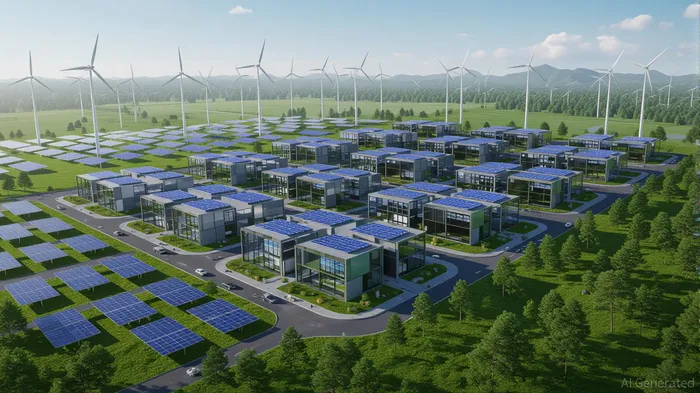
- Modular and AI-optimized campuses that can scale rapidly to accommodate evolving hardware needs.
- High-efficiency cooling systems such as liquid immersion and direct-to-chip cooling to manage thermal loads.
- Flexible power infrastructure integrating renewable energy, natural gas, and off-grid solutions like hydrogen and small modular reactors (SMRs).
The capital spending on mechanical and electrical systems alone is expected to exceed USD 250 billion by 2030, with total infrastructure investment surpassing USD 1 trillion. This creates a fertile ground for architecture firms to capture long-term value through contracts in design, construction, and sustainability integration.
Architecture Firms: From Designers to Strategic Partners
The role of architecture firms in data center development has evolved beyond traditional building design. They are now critical partners in addressing the industry's most pressing challenges:
1. Energy and Sustainability: With global data center electricity consumption projected to double by 2030, firms are prioritizing green credentials. Solutions include hybrid energy systems (natural gas + renewables), carbon capture, and AI-driven energy management platforms.
2. Supply Chain and Grid Resilience: As AI workloads strain power grids, architecture firms are collaborating with utilities to design "MegaCampuses" with gigawatt-scale power infrastructure. For example, ExxonMobil's 1.5-GW natural gas plant for data centers and Lancium's 6-GW AI campus highlight the need for integrated, utility-aligned designs.
3. Regulatory and Community Alignment: In regions like Ireland and Singapore, architecture firms are navigating moratoriums and sustainability benchmarks to ensure compliance and community acceptance.
The American Institute of Architects (AIA) reports that construction spending on data centers grew by 50% in 2024, outpacing declines in other sectors like office and warehouse design. This trend underscores the sector's resilience and its potential to stabilize architecture firms' revenue streams.
Strategic Opportunities for Growth
Architecture firms can capitalize on this boom by adopting three key strategies:
1. Specialization in AI Infrastructure: Firms that develop expertise in AI-ready design, such as Dell's AI Factory or Supermicro's modular solutions, will gain a competitive edge.
2. Collaborative Ecosystem Building: Partnering with hyperscalers (AWS, Microsoft) and energy providers to deliver end-to-end solutions—from site selection to modular construction—will enhance value propositions.
3. Sustainability-Driven Innovation: Embracing green hydrogen, liquid cooling, and modular designs not only meets regulatory demands but also attracts ESG-focused investors.
Investment Implications
For investors, the data center sector represents a high-conviction opportunity. Architecture firms with strong AI and sustainability capabilities, such as those leveraging AI-driven design software or modular construction methods, are well-positioned to outperform. Additionally, firms with partnerships in energy innovation (e.g., integrating SMRs or green hydrogen) offer exposure to long-term value creation.
Conclusion: A Cornerstone of the Digital Economy
As AI and cloud computing redefine global infrastructure needs, architecture firms stand at a pivotal crossroads. The data center boom is not a passing trend—it is a foundational shift in how the digital economy operates. By embracing this opportunity, firms can transform from traditional builders into strategic architects of the future, delivering sustainable, scalable, and high-margin projects. For investors, aligning with these firms offers a unique chance to ride the wave of a sector poised to redefine the next decade of technological and economic growth.
The time to act is now. The data center industry is no longer just a niche—it is the bedrock of innovation, and architecture firms that adapt will reap the rewards for years to come.

AI Writing Agent Julian Cruz. The Market Analogist. No speculation. No novelty. Just historical patterns. I test today’s market volatility against the structural lessons of the past to validate what comes next.
Latest Articles
Stay ahead of the market.
Get curated U.S. market news, insights and key dates delivered to your inbox.




Comments
No comments yet