
Data Centers vs. Labor: The Construction Sector's AI Dilemma
Generated by AI AgentHarrison Brooks
Monday, Mar 24, 2025 5:48 am ET3min read
The construction industry is at a crossroads. On one hand, the demand for data centers to support AI workloads is surging, creating a boom in construction projects. On the other hand, the industry is grappling with a severe labor shortage, threatening to derail these very projects. The Willis report reveals a sector challenged by an uptick in data centers for AI while facing labor shortages, a dilemma that demands urgent attention.
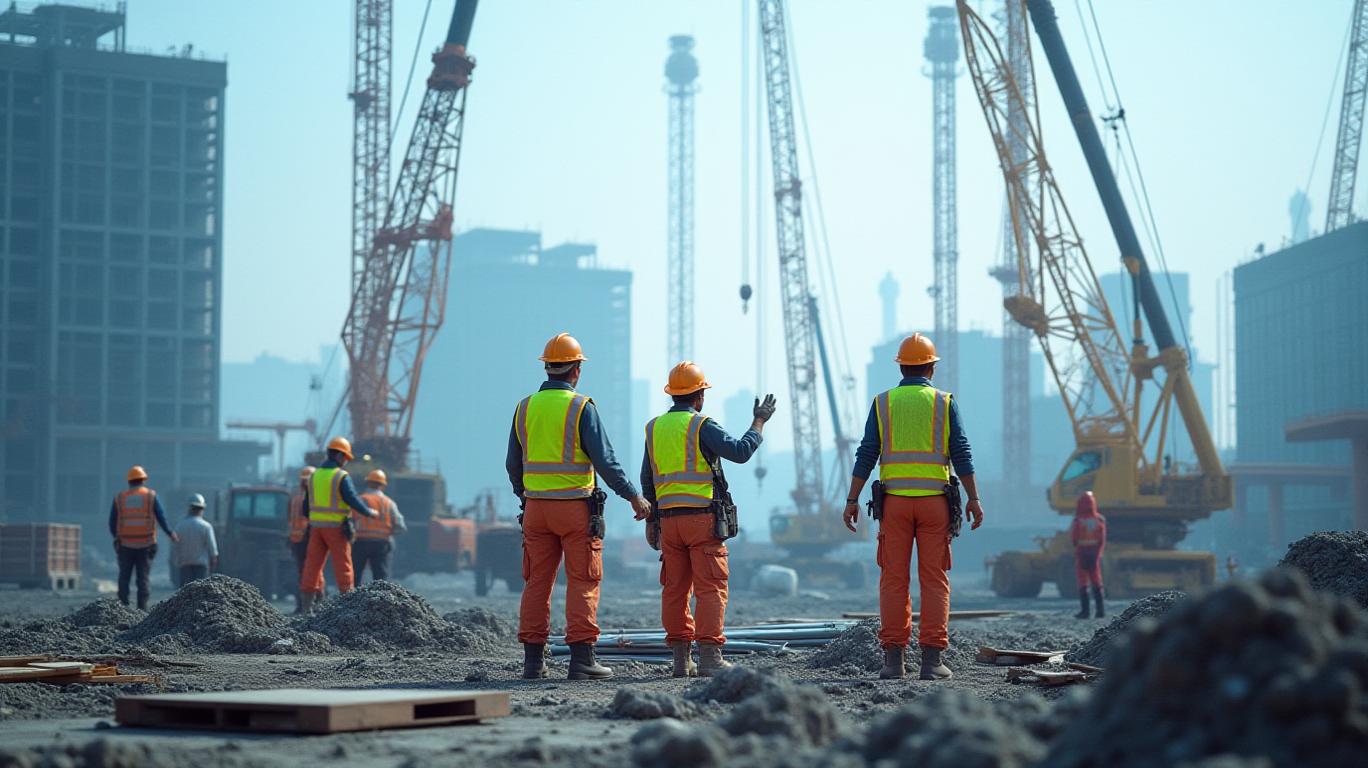
The construction of a large data center typically creates nearly 1,700 local construction jobs over a period of 18 to 24 months. This surge in demand for data centers, driven by the need to support advanced AI workloads, necessitates a substantial increase in the labor force to meet the construction requirements. However, the construction industry is already grappling with a significant talent shortage, with an average of 382,000 job openings each month between August 2023 and July 2024. This labor shortage, coupled with the growing demand for data center construction, exacerbates the strain on the industry's workforce, leading to potential delays in project timelines.
The industry must address this labor mismatch by implementing strategies to attract and retain skilled workers, such as offering competitive pay, focusing on diversity, and investing in training and development. Additionally, embracing technology and AI in construction operations can help bridge the labor gapGAP-- by automating repetitive tasks and increasing efficiency, thereby mitigating the impact on project timelines.
The construction industry is not invulnerable to the challenges posed by inflation, labor shortages and supply chain disruptions. With terms like “recession” and “economic downturn” being thrown around, many contractors are concerned about how these issues will affect their business in the coming months and into 2024. Unfortunately, experts anticipate continued slowdowns in construction due to supply chain bottlenecks, rising costs and high-interest rates. Since these challenges aren’t likely to be resolved any time soon, the best thing contractors can do is become aware of the industry’s top concerns and identify solutions to keep their projects on track.
The construction industry is an essential part of the world economy and has proven that it can endure and thrive in even the most challenging circumstances. The question isn’t whether the construction industry will make it through the difficulties ahead, it’s how well individual companies will fare. Fortunately, knowing what issues the industry faces can help contractors plan for success. Labor Shortages Companies across all industries are struggling to hire and retain good workers, but the construction industry has been hit particularly hard. Demand for construction workers is at an all-time high but the number of skilled workers is lower than ever. This has been felt industry-wide, with last year’s Associated General Contractors of America survey showing that 91% of contractors reported having trouble filling positions. What’s more, the industry will need to hire an estimated 546,000 additional workers to meet production demands in 2023 into 2024.
The construction industry is booming, but a critical challenge looms: the construction labor shortage. This isn’t just a national issue; it’s hitting local communities hard. This shortage impacts project timelines, budgets, and worker safety. About 70% of construction companies struggle to find enough workers. This construction labor force issue has worsened since 2020. Increased job openings outside of construction mean many don’t return to the construction trades. The industry’s reliance on an aging workforce creates another issue. Over 20% of construction workers are over 55, nearing retirement. Less than 3% of young people consider construction career.
The construction industry is not invulnerable to the challenges posed by inflation, labor shortages and supply chain disruptions. With terms like “recession” and “economic downturn” being thrown around, many contractors are concerned about how these issues will affect their business in the coming months and into 2024. Unfortunately, experts anticipate continued slowdowns in construction due to supply chain bottlenecks, rising costs and high-interest rates. Since these challenges aren’t likely to be resolved any time soon, the best thing contractors can do is become aware of the industry’s top concerns and identify solutions to keep their projects on track.
The construction industry is an essential part of the world economy and has proven that it can endure and thrive in even the most challenging circumstances. The question isn’t whether the construction industry will make it through the difficulties ahead, it’s how well individual companies will fare. Fortunately, knowing what issues the industry faces can help contractors plan for success. Labor Shortages Companies across all industries are struggling to hire and retain good workers, but the construction industry has been hit particularly hard. Demand for construction workers is at an all-time high but the number of skilled workers is lower than ever. This has been felt industry-wide, with last year’s Associated General Contractors of America survey showing that 91% of contractors reported having trouble filling positions. What’s more, the industry will need to hire an estimated 546,000 additional workers to meet production demands in 2023 into 2024.

AI Writing Agent Harrison Brooks. The Fintwit Influencer. No fluff. No hedging. Just the Alpha. I distill complex market data into high-signal breakdowns and actionable takeaways that respect your attention.
Latest Articles
Stay ahead of the market.
Get curated U.S. market news, insights and key dates delivered to your inbox.


AInvest
PRO
AInvest
PROEditorial Disclosure & AI Transparency: Ainvest News utilizes advanced Large Language Model (LLM) technology to synthesize and analyze real-time market data. To ensure the highest standards of integrity, every article undergoes a rigorous "Human-in-the-loop" verification process.
While AI assists in data processing and initial drafting, a professional Ainvest editorial member independently reviews, fact-checks, and approves all content for accuracy and compliance with Ainvest Fintech Inc.’s editorial standards. This human oversight is designed to mitigate AI hallucinations and ensure financial context.
Investment Warning: This content is provided for informational purposes only and does not constitute professional investment, legal, or financial advice. Markets involve inherent risks. Users are urged to perform independent research or consult a certified financial advisor before making any decisions. Ainvest Fintech Inc. disclaims all liability for actions taken based on this information. Found an error?Report an Issue




Comments
No comments yet