
DASH Expands Affordability Focus Amid Controversy Over Delivery Worker Pay in NYC
 Aime Summary
DoorDash recently partnered with Family Dollar to deliver household essentials from roughly 7,000 U.S. locations, expanding its platform utility for price-sensitive shoppers.
The initiative emphasizes affordability by targeting households earning under $50,000 annually and includes support for SNAP/EBT users, aiming to increase order frequency and customer engagement.
This expansion into retail delivery positions DoorDashDASH-- to compete more effectively with other delivery services while facing regulatory scrutiny over changes to its app interface that allegedly reduced delivery worker tip earnings by $550 million.
DoorDash's expansion into dollar-store delivery marks a strategic shift to become a provider of everyday essentials beyond food delivery. The collaboration with Family Dollar enables the company to access a broader customer base, particularly price-conscious shoppers and lower-income households. By integrating the Family Dollar discount network into its delivery ecosystem, DoorDash aims to enhance platform utility and attract users seeking cost-effective solutions for household items.
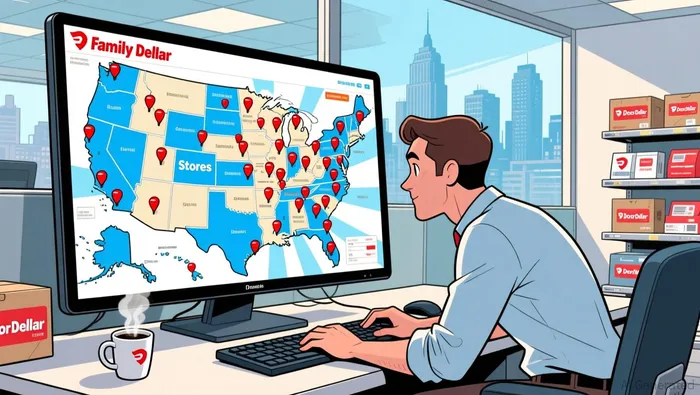
The initiative aligns with a broader industry trend toward omnichannel delivery and e-commerce integration. DoorDash's focus on affordability is further reinforced by its efforts to support SNAP/EBT users, reflecting an intent to serve underserved markets. The move is expected to increase customer engagement and order frequency, potentially solidifying the company's position as a go-to platform for everyday needs.
How does this expansion impact DoorDash's financial and operational risks?
While the expansion into household essentials delivery offers growth opportunities, it also introduces new financial and operational challenges. These include margin pressures due to the nature of retail delivery, increased product handling complexities, and heightened regulatory scrutiny in 2026. New York City regulators have accused DoorDash of manipulating its app interface to reduce average tips per delivery from $3.66 to $0.76, which has led to a $550 million loss for drivers. The company disputes these claims, stating that the changes were publicly announced and are standard in other industries.
DoorDash is also contesting new tipping laws in federal court, arguing that they limit consumer flexibility and violate free speech rights. The company maintains that total worker earnings increased by $1.2 billion since the city's minimum pay law took effect in December 2023. However, the legal and reputational risks, including concerns over driver safety and AI deepfake incidents, remain significant.
What are the broader implications for the delivery and e-commerce market?
The shift toward omnichannel delivery and e-commerce integration reflects a growing trend in the retail sector. DoorDash's expansion into household essentials delivery positions the company to compete more effectively with other online delivery services and retail platforms. By leveraging Family Dollar's extensive network, DoorDash can offer a broader range of services to its customers, potentially increasing platform utility and customer loyalty.
This strategic move also aligns with broader efforts to transition from a food delivery service to a more comprehensive platform for everyday needs. As the company continues to expand its reach, it will need to balance growth with operational and financial sustainability, particularly in the face of regulatory challenges and market competition.

Blending traditional trading wisdom with cutting-edge cryptocurrency insights.
Latest Articles
Stay ahead of the market.
Get curated U.S. market news, insights and key dates delivered to your inbox.




Comments
No comments yet