
DASH Expands Accessibility with Family Dollar Partnership Amid New York Tipping Dispute
 Aime Summary
DoorDash (DASH) has partnered with Family Dollar to expand delivery services from 7,000 discount stores to make the platform more accessible to price-sensitive customers according to reports.
The New York City Department of Consumer and Worker Protection (DCWP) released a report alleging that DoorDashDASH-- and Uber Eats redesigned their tipping interface to reduce delivery worker tips by $550 million since December 2023 as reported.
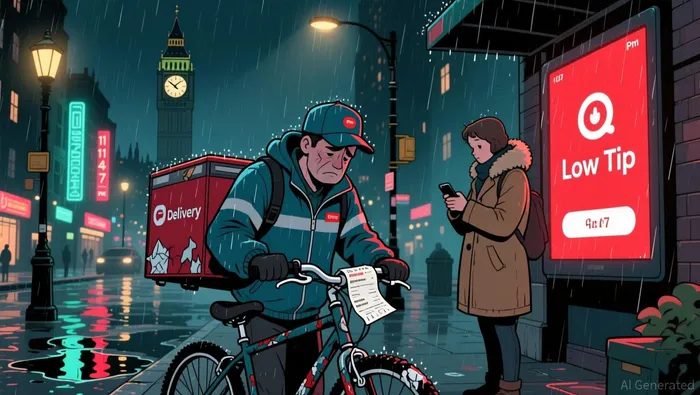
The report found that average tips per delivery dropped from $3.66 to $0.76, resulting in a $5,800 annual loss for workers.
DoorDash and Uber Eats implemented a post-checkout tipping process at the same time as the city's new minimum pay law took effect according to allegations. According to DoorDash, this law increased base pay for delivery workers, and total earnings rose by $1.2 billion according to company statements.
The company argues that the changes were announced publicly in 2023 and are not part of a covert scheme according to DoorDash. DoorDash also claims that consumers can still tip after delivery and that workers retain 100% of the tips they receive according to company claims.
Uber Eats and DoorDash are now in a legal battle with the city over new tipping laws that require them to offer tipping options at checkout as reported. The companies claim these laws violate their free speech rights and will hurt their bottom lines according to legal arguments. A ruling from a federal judge is pending according to legal updates.
DoorDash's expansion into everyday essentials delivery through its Family Dollar partnership reflects a broader strategy to attract lower-income customers according to city reports. This initiative aligns with the company's push to reduce fees for non-DashPass users and offer $0 delivery fees for eligible orders as stated.
What is the impact of the post-checkout tipping system on delivery workers?
DCWP's report highlights that the redesigned interface discouraged consumers from tipping and that the average tip per delivery on DoorDash and Uber Eats is significantly lower than on platforms that allow tipping at checkout according to the report. The report also states that delivery workers on these platforms are losing around $5,800 per year according to findings. DoorDash refutes the claim, emphasizing that total worker earnings have increased under the new minimum pay law according to company statements.
What are the legal implications of the new tipping laws?
The new tipping laws, set to take effect on January 26, require DoorDash and Uber Eats to offer tipping options at checkout and set a default tip of at least 10% of the order cost according to city legislation. Both companies have sued the city, arguing that the laws violate federal and state law and impose an additional tax on consumers according to legal claims. The outcome of the legal battle could determine whether the platforms are required to change their tipping practices and potentially affect delivery times and consumer behavior according to legal analysis.
How is DoorDash positioning itself for long-term growth?
DoorDash is broadening its platform by expanding into non-restaurant deliveries, including household essentials from Family Dollar according to reports. This move is designed to make the platform more accessible to lower-income customers and reinforce DoorDash's role in local commerce according to strategic analysis. The company also reported 776 million orders and $25 billion of marketplace gross order value in Q3 2025, indicating strong momentum despite economic uncertainty according to financial reports. By testing its ability to handle non-food orders, DoorDash is potentially positioning itself for more diverse and frequent customer engagement.

Combina la sabiduría tradicional en el comercio con las perspectivas más avanzadas sobre criptomonedas.
Latest Articles
Stay ahead of the market.
Get curated U.S. market news, insights and key dates delivered to your inbox.
AInvest
PRO
AInvest
PRO



Comments
No comments yet