
The Dark Side of 'We Buy Ugly Houses': Fraud, Risks, and Opportunities in the Distressed Real Estate Market
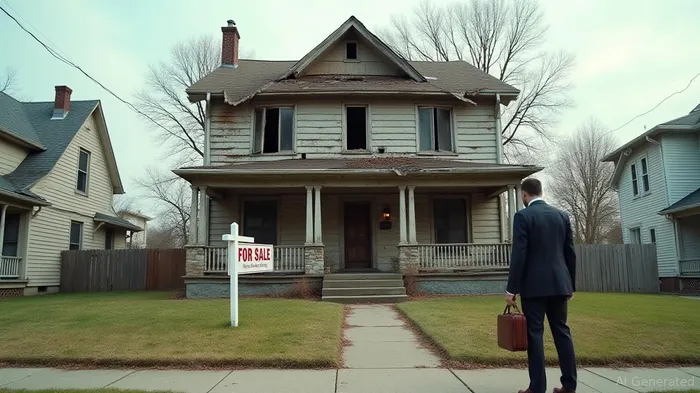
The rise of "We Buy Ugly Houses" (WBH) companies has become a defining feature of the U.S. real estate landscape, fueled by aggressive advertising, cash-strapped homeowners, and a fragmented regulatory environment. While these firms claim to provide liquidity to distressed property owners, recent investigations reveal a darker undercurrent: systemic fraud, predatory practices, and catastrophic consequences for investors and homeowners alike. This article examines the risks embedded in this sector and offers actionable insights for investors seeking to navigate the chaos.
The Surge of WBHWB-- Companies: Growth vs. Controversy
The WBH model—exemplified by franchises like HomeVestors of America—has exploded in popularity, with over 1,000 locations nationwide as of 2024. These companies promise quick, all-cash purchases of undervalued properties, often targeting elderly homeowners, those facing foreclosure, or individuals in urgent financial situations.
However, growth has come with significant backlash. A ProPublica investigation in April 2025 highlighted how a Texas-based WBH franchise, operated by Charles Carrier, left investors with $100+ million in losses through a Ponzi scheme. Carrier's operation, which billed itself as one of the top-performing HomeVestors franchises, lured elderly and vulnerable investors with promises of high returns—only to default on payments and vanish.
Fraudulent Practices: How WBH Companies Exploit Vulnerabilities
The Carrier case is not an outlier. The WBH model's reliance on distressed sellers and high-pressure sales tactics creates fertile ground for abuse. Key red flags include:
1. Predatory Pricing and Exploitative Tactics
WBH companies often use fear-based marketing to pressure homeowners into accepting lowball offers. For example:
- A franchisee might falsely claim imminent legal action or code violations to force a sale.
- Targeting elderly or ill homeowners, as seen in the case of 82-year-old Corrine Casanova, who sold her home for two-thirds of its value while suffering from dementia.
2. The Ponzi Scheme Example
Carrier's scheme exemplifies how WBH franchises can become vehicles for financial fraud:
- He issued unsecured loans against properties he didn't own, creating a house of cards.
- Overlapping liens and unrecorded deeds left investors with no collateral, while Carrier funneled funds into personal expenses.
3. Systemic Oversight Failures
HomeVestors, the parent company, faced criticism for its lax monitoring of franchises. Despite red flags like tax delinquencies, unlicensed operations, and title disputes, the company allowed Carrier's franchise to operate until 2024. Internal documents revealed that audits focused on ensuring franchisees paid fees—not on ethical or financial integrity.
Impact on Investors and Markets
The fallout from these practices has been devastating:
- Individual Investors: Retirees like Ronald Carver lost $700,000+ in the Carrier scheme, with many facing irreversible financial ruin.
- Real Estate Markets: Fraudulent activity distorts pricing, as WBH companies may intentionally undervalue properties to maximize profit.
- Regulatory Backlash: The SEC and FTC are now scrutinizing WBH business models, with potential lawsuits and fines looming.
Investment Opportunities (and Risks) in the WBH Space
While WBH companies pose significant risks, they also create opportunities for informed investors willing to navigate the chaos:
1. Avoid Direct Investments in WBH Franchises
- Franchises like HomeVestors face rising scrutiny. Their stock (if public) would likely underperform due to regulatory and reputational risks.
2. Target Ethical Competitors
- Look for WBH companies with transparent pricing, third-party audits, and a track record of fair dealing.
- Firms that partner with independent appraisers or offer cancellation rights to sellers may mitigate fraud risks.
3. Profit from the Cleanup
- Distressed Debt Funds: Investors can buy defaulted loans from WBH victims at steep discounts.
- Litigation Finance: Back lawsuits against fraudulent operators—success could yield outsized returns.
4. Regulatory Arbitrage
- Monitor states like Texas, where regulators are cracking down on predatory practices. Compliance-ready firms may gain market share as competitors fold.
Due Diligence Checklist for WBH Investors
- Review Regulatory History: Check franchises for fines or lawsuits via the Texas Real Estate Commission or SEC filings.
- Audit Financial Practices: Ensure the company's loan structures and property valuations are transparent and independently verified.
- Avoid High-Yield Promises: Returns over 8% should raise red flags—Carrier offered 9% before collapsing.
Conclusion: Proceed with Caution
The WBH sector is a double-edged sword: it provides liquidity to struggling homeowners but also enables exploitation. For investors, success hinges on avoiding predatory firms and focusing on transparency, compliance, and alternative investment vehicles. As regulators tighten the screws, the space will likely consolidate, rewarding those who prioritize ethics over short-term gains.
In the end, the "ugly houses" market isn't just about buying distressed properties—it's about betting on integrity in a broken system.
Data Note: As of Q2 2025, HomeVestors' franchise count has dipped to 981 from 1,082 in 2023, signaling potential instability. Investors should track this metric closely.

Stay ahead of the market.
Get curated U.S. market news, insights and key dates delivered to your inbox.


AInvest
PRO
AInvest
PRO



Comments
No comments yet