
Dangote's Walvis Bay Gambit: Cornerstone of African Energy Dominance?
The Dangote Group's proposed 1.6-million-barrel fuel storage facility in Walvis Bay, Namibia, marks a pivotal move in its quest to transform Africa's energy landscape. This project, nestled within one of Southern Africa's most strategic ports, represents more than just infrastructure—it's a declaration of intent to consolidate control over the continent's fuel supply chains. For investors, the venture offers a glimpse into the lucrative, yet volatile, dynamics of Africa's energy self-sufficiency push.
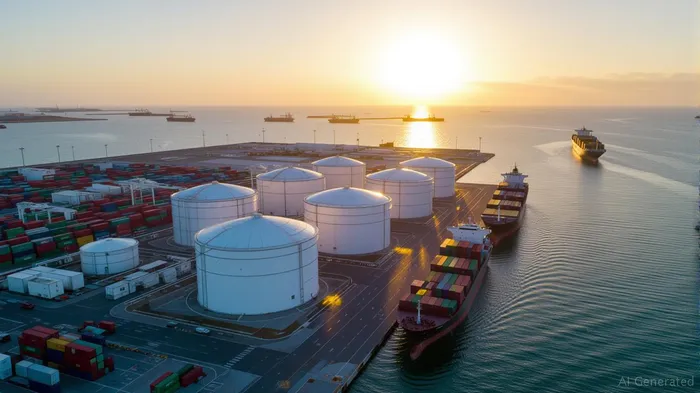
The Scale of Ambition: Storage as Strategic Powerplay
Dangote's Walvis Bay facility will hold 1.6 million barrels of gasoline and diesel—enough to fuel over 30 million cars for a day. This capacity isn't merely logistical; it's a geopolitical lever. By positioning itself as the dominant supplier to Botswana, Zambia, Zimbabwe, and the DRC—nations that currently import nearly all their refined fuels—Dangote is sidelining international competitors and cementing its role as Africa's energy gatekeeper. The project's alignment with Nigeria's 650,000-barrel-per-day refinery (the continent's largest) creates a seamless supply chain, ensuring Dangote can flood regional markets with competitively priced fuels.
Geopolitical Implications: Redrawing Energy Maps
The facility's strategic location in Walvis Bay—a hub for Southern African Development Community (SADC) trade—positions Dangote to capitalize on Namibia's status as a logistics gateway. This reduces the region's reliance on Middle Eastern or European imports, shifting energy security dynamics. For nations like Zambia, which imports 100% of its fuel, Dangote's dominance could alleviate supply chain bottlenecks but also risk over-reliance on a single supplier. Geopolitically, this aligns with the African Continental Free Trade Area (AfCFTA) agenda, fostering intracontinental trade. However, it also raises questions about competition policy and the concentration of power in Africa's energy sector.
ROI Potential: Betting on Regional Demand Growth
The Southern African market presents a compelling growth case. With annual GDP growth averaging 3% across key target countries and urbanization driving energy consumption, regional fuel demand is projected to rise by 25% by 2030. Dangote's storage hub could capture a lion's share of this demand, especially as its Nigerian refinery operates at near-full capacity. Investors might profit indirectly through:
- Dangote Cement PLC (NG): A proxy for the group's financial health, given its 90%+ margins in Africa's cement market.
- Africa-focused energy ETFs: Funds like the MSCIMSCI-- ACWI IMI Africa Energy Index track regional refinery investments.
Risks: Commodity Volatility and Regulatory Hurdles
The venture is not without pitfalls. Oil prices—which dropped 20% in 2024—could crater further, squeezing margins. Additionally, regulatory approvals in Namibia and partner nations remain pending, with environmental concerns over port expansions lingering. Political risks in unstable markets like the DRC also pose threats.
Investment Takeaways: Play the Long Game, but Hedge
For investors, Dangote's Namibia venture is a bet on Africa's energy future. The storage facility's scale and regional reach make it a critical node in the continent's supply chains. However, diversification is key: pair exposure to Dangote Cement with broader African infrastructure ETFs (e.g., the FTSE Africa 50) to mitigate commodity risks. Short-term traders might avoid overcommitting until regulatory clarity emerges, but long-term investors could see this as a foundational play in Africa's transition to energy self-sufficiency.
In sum, Walvis Bay isn't just a storage depot—it's the linchpin of Dangote's bid to redefine Africa's energy order. For those willing to navigate its risks, it's a chance to profit from the continent's relentless push toward industrial autonomy.
Disclosure: This analysis is for informational purposes only and not financial advice. Always consult a professional before making investment decisions.

Stay ahead of the market.
Get curated U.S. market news, insights and key dates delivered to your inbox.


AInvest
PRO
AInvest
PRO



Comments
No comments yet