
Czech Republic's Quiet Cracking Crisis: What Investors Should Know
 Aime Summary
The Czech Republic is experiencing a hidden crisis of employee disengagement called 'quiet cracking', . Quiet cracking is driven by long-term work pressures, lack of recognition, and the rise of AI-driven automation, according to Grafton Recruitment. Companies failing to address this issue risk losing talent, declining productivity, and weakened company culture.
Workplace stress is quietly affecting Czech companies, with employees gradually disengaging without overt burnout or conflict. This phenomenon, identified as "quiet cracking," is being exacerbated by pandemic-era flexibility demands and the rapid advancement of artificial intelligence. Employees feel increasing pressure to stay relevant, often fearing that they will be replaced by automation. When this pressure is compounded by unclear communication and a lack of recognition, quiet cracking emerges. While it may seem less dramatic than traditional burnout, the impact is no less severe — with reduced engagement, creativity, and trust in leadership. In the Czech Republic, , .
Quiet cracking is not just a human resources concern — it has tangible implications for company performance and investor returns. The Grafton Recruitment study highlights that disengaged employees are less likely to share ideas, contribute creatively, and collaborate effectively. Over time, this leads to a decline in team morale and service quality, both of which are critical for companies in competitive markets. In addition, quiet cracking often precedes quiet quitting — when employees perform their duties without emotional investment — and can quickly escalate into turnover. This is costly for employers, with increased recruitment and training expenses and potential disruptions in business continuity.
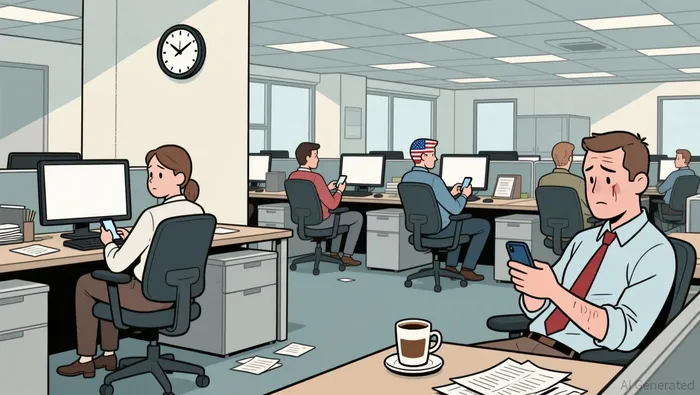 Companies are starting to take action to address quiet cracking by offering more structured employee development, recognition programs, and transparent communication. According to Grafton Recruitment, systematic education, clearly defined expectations, and balanced workloads are essential in preventing quiet cracking from escalating. Coaching systems, like those offered by , are also gaining traction as a solution to help employees manage stress and find fulfillment in their professional lives. These initiatives are not only beneficial for employees but also serve as signals to the market that a company values its human capital — a key factor in long-term investor confidence.
For investors, the rise of quiet cracking in the Czech Republic highlights the importance of monitoring (Environmental, Social, and Governance) factors, particularly in human capital management. Companies that fail to address employee well-being may face increased turnover, lower productivity, and reputational damage. Conversely, firms that invest in employee engagement and mental health programs are likely to see better retention rates, higher performance, and stronger financial outcomes. As AI continues to reshape the workplace, the ability to retain and motivate talent will become a key differentiator for businesses in the region.
What to watch next is how Czech companies adapt to the growing prevalence of quiet cracking. Investors should look for firms that are proactively addressing employee well-being through structured development programs, transparent communication, and recognition systems. The Czech government's recent extension of a residency program for Ukrainian refugees also suggests that the country is actively managing labor shortages in key sectors, which may indirectly help reduce employee turnover and work pressure. Companies that can balance workforce stability with innovation in the AI age are likely to emerge stronger and more resilient in the long run.
Why Is Quiet Cracking A Concern For Czech Companies?
Quiet cracking is a subtle but persistent form of employee disengagement that can quietly undermine company performance. Unlike traditional burnout, quiet cracking does not involve immediate performance drops or open conflict. Instead, employees slowly disengage, often without management realizing it until the impact is already visible in declining productivity or increased turnover. This phenomenon is driven by a combination of factors: long-term work pressure, fear of being replaced by AI, and a lack of recognition from management. In the Czech Republic, the post-pandemic era has accelerated these pressures, with employees expected to be more flexible and adaptable than ever before.
According to Grafton Recruitment, the roots of quiet cracking lie in the increased demands on employees for flexibility and adaptability since the pandemic. Many workers now feel the need to constantly prove their value, especially in an era where AI is changing the nature of work. This is compounded by poor communication from leadership and unclear expectations, which leave employees feeling unsupported and undervalued. As a result, they begin to withdraw emotionally, which can eventually lead to quiet quitting or even leaving the company altogether.
What Can Employers Do To Prevent Quiet Cracking?
Preventing quiet cracking requires a proactive approach that goes beyond temporary fixes like wellness perks or posters. Employers must address the root causes of employee disengagement by creating a supportive and transparent work environment. This includes setting clear expectations, providing regular recognition and appreciation for employees' work, and offering opportunities for professional development and growth. Systematic education and training programs are also essential, as they help employees feel valued and equipped to handle the challenges of a rapidly evolving workplace.
Transparency is another key factor in preventing quiet cracking. Employees need to understand the company's direction and how their work contributes to the bigger picture. When communication is open and honest, employees are more likely to feel engaged and motivated. In addition, employers should focus on building a culture of trust and psychological safety, where employees feel comfortable sharing their concerns and ideas without fear of judgment or retaliation.
Companies that fail to address quiet cracking risk long-term consequences, including reduced creativity, weakened team cohesion, and lower productivity. In contrast, organizations that prioritize employee well-being and engagement are more likely to see improved performance, higher retention rates, and stronger financial outcomes. For investors, this means that companies with robust human capital management strategies are likely to be more resilient and better positioned for long-term success.
Why Is Employee Engagement Critical In The Czech Economy?
Employee engagement is a key driver of productivity and economic performance, and it is particularly important in the Czech economy, where the labor market is already tight. The country has been experiencing labor shortages in key sectors like manufacturing, healthcare, and IT, which makes retaining skilled workers essential. Quiet cracking threatens to exacerbate these challenges by reducing workforce stability and increasing turnover. If left unaddressed, it could lead to a decline in the quality of services and products, which would have a ripple effect on the broader economy.
The Czech government has taken steps to address labor shortages by extending a residency program for Ukrainian refugees, who are playing an increasingly important role in the workforce. This move is intended to help companies retain skilled workers and reduce the pressure on the domestic labor market. However, it is equally important for companies to create an environment where employees feel valued and supported. This includes investing in employee development, offering fair compensation and benefits, and fostering a culture of trust and recognition.
For investors, the Czech Republic's focus on human capital is a positive sign. Companies that prioritize employee engagement and well-being are likely to be more attractive to investors, as they are better positioned to navigate the challenges of a rapidly changing workforce and a competitive labor market. In the long run, this will translate into stronger financial performance and higher shareholder returns.

Stay ahead of the market.
Get curated U.S. market news, insights and key dates delivered to your inbox.


AInvest
PRO
AInvest
PRO



Comments
No comments yet