
CZ Pivots to Cooperation as Crypto Navigates Regulatory Crossroads


 Aime Summary
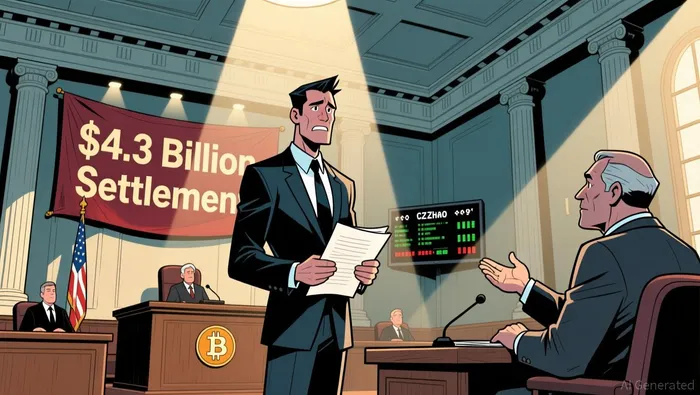
Binance founder Changpeng "CZ" Zhao has navigated a high-stakes legal and political landscape following his presidential pardon by Donald Trump and the ongoing scrutiny of the exchange's $4.3 billion settlement with U.S. authorities. In a series of public comments, Zhao addressed the "delicate question" of whether Binance could seek a refund of the corporate penalty, stating he would reinvest any such funds into the U.S. economy as a gesture of appreciation.
The $4.3 billion fine, part of a 2023 plea agreement, required Binance to forfeit $2.5 billion and pay a $1.8 billion criminal fine, while Zhao personally paid $50 million and served a four-month prison sentence according to reports. Despite stepping down from Binance's executive role under the settlement terms, Zhao's recent pardon has reignited debates over the legal and ethical implications of the case. "I appreciate the pardon already," he tweeted, emphasizing a balance between seeking fairness and gratitude.
 Trump's October 2025 pardon drew immediate backlash from Democratic lawmakers, including Senator Elizabeth Warren, who accused the administration of enabling "pay-to-play" politics. Critics alleged undisclosed crypto payments influenced the clemency decision, a claim Zhao's legal team firmly denied. Teresa Goody Guillen, his lead attorney, asserted that any BitcoinBTC-- transaction would be traceable and that no evidence supported the allegations. Trump, meanwhile, defended the move as correcting a "Biden witch hunt" against crypto.
Legal experts clarified that while a presidential pardon absolves criminal liability, it does not automatically negate corporate financial settlements. The $4.3 billion penalty remains legally binding unless formally reversed, a process Zhao has not requested. His pledge to reinvest any refund in the U.S. aligns with broader efforts to mend ties with regulators, though analysts note the fine's corporate nature complicates such a scenario.
The controversy underscores the crypto industry's struggle to reconcile rapid innovation with regulatory scrutiny. Zhao's case has become a flashpoint in debates over compliance, with his legal team arguing that major banks have faced similar penalties without criminal charges. Meanwhile, Binance continues to operate under Treasury Department oversight, barred from serving U.S. customers but permitted to expand globally.
As the crypto sector grapples with evolving regulations, CZ's public statements reflect a strategic pivot toward cooperation. By framing potential refunds as investments in the U.S. economy, he signals a shift from adversarial to collaborative engagement-a move that could influence how other crypto firms navigate regulatory challenges according to experts.

Stay ahead of the market.
Get curated U.S. market news, insights and key dates delivered to your inbox.






Comments
No comments yet