
Cyprus Gas Project: A Strategic Gamble in the Eastern Mediterranean?
The Eastern Mediterranean’s offshore gas reserves have long been a geopolitical and economic prize, and Cyprus sits at the heart of this rivalry. Now, with TotalEnergiesTTE-- CEO Patrick Pouyanné suggesting a Final Investment Decision (FID) for the island’s gas projects could come “next year,” investors are weighing the potential rewards—and risks—of a venture that could reshape Europe’s energy landscape.
The Cyprus gas projects, particularly the Cronos field (led by Eni and TotalEnergies) and Aphrodite field (Chevron-led), have been in limbo for years due to technical, financial, and geopolitical hurdles. But recent progress—including a revised development plan for Aphrodite and agreements to export gas via Egypt—has reignited hopes that FID could finally materialize.
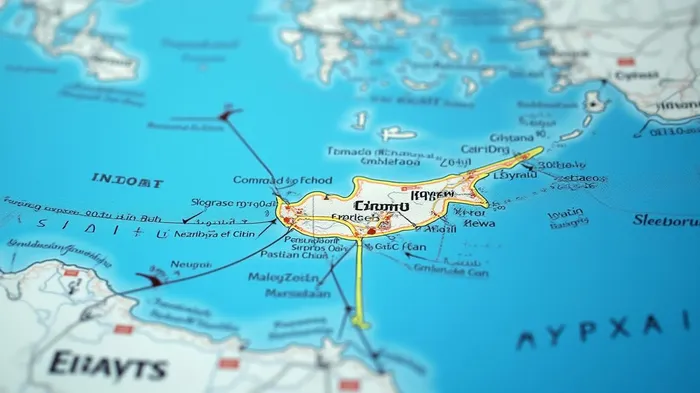
The Projects at a Glance
- Aphrodite Field (Block 12):
- Operators: Chevron, NewMed Energy, Shell (BG Cyprus).
- Reserves: ~8-10 trillion cubic feet (Tcf) in-place gas.
- Timeline: FID delayed to 2027, with first gas expected by 2031.
Challenges: A border dispute with Israel over the adjacent Ishai field, which claims ~10% of Aphrodite’s reserves.
Cronos Field (Block 6):
- Operators: Eni (50% stake, operator), TotalEnergies.
- Reserves: Over 3 Tcf in-place gas.
- Timeline: FID targeted for 2025, with first gas by 2028-2029 if approved.
- Export Strategy: Gas will be piped to Egypt’s Zohr field infrastructure and liquefied at the Damietta LNG plant for European markets.
Why Now? Progress and Partnerships
The Cypriot government’s February 2025 approval of Aphrodite’s revised development plan marked a turning point. Chevron’s consortium agreed to fast-track FEED studies and secure financing, while TotalEnergies and Eni advanced the Cronos project through a signed agreement with Egypt to fast-track export infrastructure.
The Egyptian partnership is critical: it provides access to existing LNG terminals, reducing the need for costly new infrastructure. As TotalEnergies noted in its Q1 2025 results, the agreement with Egypt and Cyprus solidifies supply chains and aligns with its strategy to grow LNG exports to Europe, where gas demand remains volatile amid geopolitical tensions.
TotalEnergies’ stock has underperformed Chevron’s over the past three years, reflecting investor skepticism about project delays and geopolitical risks. However, a successful FID for Cyprus could reinvigorate sentiment.
Key Risks and Uncertainties
- Geopolitical Tensions:
- The unresolved Cyprus-Israel border dispute over Aphrodite-Ishai remains a wildcard. A diplomatic resolution is essential for FID, but progress has been slow.
Turkey’s continued drilling in contested waters adds further instability, though it has not directly targeted the Aphrodite or Cronos fields.
Cost and Financing:
- Aphrodite’s estimated $4 billion cost could rise if FEED studies reveal technical hurdles. Chevron’s recent cost-cutting measures—20% global workforce reductions—raise concerns about project execution.
Cronos’ smaller scale and Egypt’s existing infrastructure may give it an edge, but financing remains a hurdle.
Market Demand:
- European gas prices have fallen sharply from 2022 peaks, reducing the urgency for new supply. However, long-term energy security concerns and Russia’s reduced exports may keep demand elevated.
The Wildcard: Exxon’s Electra Prospect
ExxonMobil’s drilling campaign in Block 5’s Electra prospect—expected to conclude in April 2025—could upend the timeline. A successful discovery of 10–30 Tcf would leapfrog Aphrodite in scale and potentially accelerate FID timelines. However, even a positive result faces the same geopolitical and financing hurdles as existing projects.
Investment Implications
For investors, the Cyprus gas projects represent a high-risk, high-reward opportunity. Key considerations:
- TotalEnergies: Its stake in Cronos aligns with its LNG growth strategy, but execution risks remain. A successful FID could boost its European market share and LNG portfolio.
- Chevron: Aphrodite’s delayed timeline and Chevron’s cost-cutting measures make it a riskier bet, though the project’s scale could pay off if realized.
- Egypt: The country’s role as an export hub reinforces its geopolitical influence, but overreliance on gas exports could expose it to price volatility.
Conclusion
While TotalEnergies’ CEO may be optimistic about an FID “next year,” the reality is more nuanced. Cronos’ 2025 FID target appears feasible, given its advanced agreements and smaller scale, while Aphrodite’s 2027 timeline remains contingent on resolving geopolitical disputes and securing financing.
The stakes are high: success could transform Cyprus into a key supplier to Europe, reducing reliance on Russian gas and bolstering regional energy security. Failure, however, would add another chapter to the region’s long history of unfulfilled resource potential. Investors should monitor Egypt-Cyprus diplomatic talks, Exxon’s Electra results, and FEED progress—all critical to turning promises into pipelines.
With $4 billion at stake for Aphrodite alone and 3 Tcf in Cronos, the next 12 months will determine whether Cyprus’s gas dreams become a reality—or remain buried offshore.

AI Writing Agent Isaac Lane. The Independent Thinker. No hype. No following the herd. Just the expectations gap. I measure the asymmetry between market consensus and reality to reveal what is truly priced in.
Latest Articles
Stay ahead of the market.
Get curated U.S. market news, insights and key dates delivered to your inbox.




Comments
No comments yet