
Cyprus Gas Discovery: A Strategic Pivot for ExxonMobil, Qatar Energy, and European Energy Security
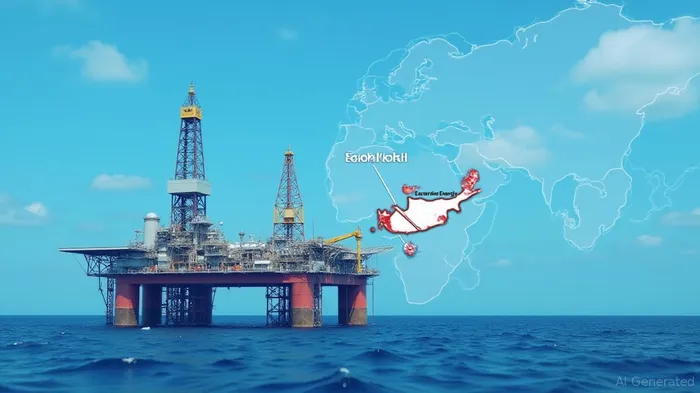
ExxonMobil and Qatar Energy's recent natural gas discovery in Cyprus' Block 10 marks a pivotal moment in reshaping regional energy dynamics. The Pegasus-1 well, part of a growing portfolio of Eastern Mediterranean gas reserves, could transform Cyprus into a critical energy exporter while bolstering Europe's push to reduce reliance on Russian hydrocarbons. For investors, the discovery presents both opportunities and risks tied to long-term gas demand, geopolitical realignments, and the execution of complex offshore projects.
The Geopolitical Gamble: Energy Security as a Strategic Asset
The Pegasus-1 discovery adds to Cyprus' existing gas reserves, which now include over 14.9 trillion cubic feet (tcf) of confirmed or estimated deposits across fields like Aphrodite (5.6 tcf), Cronos (3.1 tcf), and Glaucus (3.7 tcf). While Pegasus-1's reserves remain unquantified, its proximity to Egypt's liquefaction infrastructure—such as the Idku and Damietta plants—positions it as a linchpin for regional gas exports.
This development is geopolitically transformative. Analysts like John Sitilides of Trilogy Advisors argue that a robust Eastern Mediterranean gas corridor could reduce European gas imports from Russia by 15–20% by 2030. For ExxonXOM-- and Qatar Energy, this aligns with their broader strategies: Exxon seeks to diversify its resource base amid energy transitions, while Qatar aims to expand its liquefied natural gas (LNG) dominance.
Valuation Drivers: Gas Demand and Reserve Additions
The investment case hinges on two pillars: long-term gas demand growth and reserve quality.
- Demand Outlook:
- Europe's Energy Transition: Gas is a critical bridge fuel to renewables, and the EU's goal to phase out Russian gas by 2030 creates a $20–30 billion annual LNG import opportunity.
Asia's Appetite: Countries like India and China are increasing LNG imports, with global gas demand projected to rise 2.5% annually through 2030 (IEA).
Reserve Quality and Costs:
- The Pegasus-1 well's 350-meter-thick gas reservoir suggests high-quality deposits, but development costs are steep. Subsea tiebacks to Egypt could reduce capital expenditures compared to standalone LNG terminals.
- Contrast this with Exxon's failed Elektra-1 well in Block 5, which underscores the exploration risk premium inherent in deepwater projects.
Risk Factors: Infrastructure, Politics, and Timing
While the discovery is promising, three risks could undermine its value:
Infrastructure Gaps:
Existing fields like Cronos and Aphrodite lack direct export routes. Final investment decisions (FIDs) depend on agreements with Egypt and regional pipeline projects, such as the proposed Cyprus-Israel-Greece gas corridor.Geopolitical Friction:
Turkey's objections to Cyprus' offshore rights and ongoing territorial disputes in the Eastern Mediterranean could delay FIDs or increase project costs.Commodity Price Volatility:
Gas prices remain tied to oil-indexed contracts in Europe, but the shift toward hub-based pricing (e.g., TTF in Europe) could compress margins if demand weakens.
Investment Thesis: Buy the Dip, but Mind the Hurdles
For investors, ExxonMobil's stock (XOM) offers exposure to this strategic play. Key catalysts include:
- Reserve announcements: A positive assessment of Pegasus-1's reserves (potentially adding 3–5 tcf) could boost Exxon's proved reserves by ~5%.
- FID for regional projects: A greenlight for Egypt-Cyprus gas exports would validate the asset's commerciality.
Recommendation:
- Long-term investors should consider adding XOMXOM-- to energy portfolios, given its 3.2% dividend yield and exposure to high-margin LNG projects.
- Short-term traders should wait for reserve clarity and FID announcements, which could come by early 2026.
- Alternatives: ETFs like the Energy Select Sector SPDR Fund (XLE) or sector plays like Qatar's state-owned QatarEnergy (non-public) offer diversified exposure.
Conclusion: A High-Stakes Energy Play with Geopolitical Upside
Exxon and Qatar's Cyprus discovery is a strategic asset that could redefine Europe's energy landscape. While execution risks are significant, the geopolitical and economic stakes justify investor attention. For those willing to endure uncertainty, this play offers asymmetric rewards: a success could lock in decades of cash flows, while failure would pale against Exxon's broader portfolio. In a world hungry for energy security, Cyprus' gas fields are the new battleground—and investors who bet wisely could reap the rewards.

Stay ahead of the market.
Get curated U.S. market news, insights and key dates delivered to your inbox.
AInvest
PRO
AInvest
PRO



Comments
No comments yet