
S&P Cuts Tether's Stability Rating to 'Weak' on Risky Reserves, Transparency Fears
 Aime Summary
S&P Global Ratings has downgraded its stability rating for Tether's USDTUSDT-- stablecoin to "weak," the lowest possible score on its 1-to-5 scale. The move reflects concerns about the rising exposure to high-risk assets in Tether's reserves and limited transparency in its operations. The ratings firm cited Bitcoin's increasing share of USDT's reserves, which now exceeds the overcollateralization threshold, as a key risk factor.
The downgrade marks a significant development for the stablecoin market, where Tether's USDT holds the largest market share. 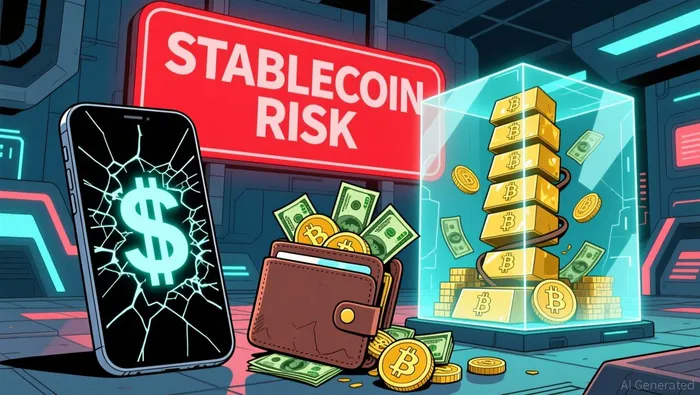 S&P's report highlights that Tether's reserves now include assets such as BitcoinBTC--, gold, secured loans, and corporate bonds, which are subject to market and credit risks. The agency also noted that Tether's limited disclosure about its custodians and reserve management practices raises further concerns.
Tether has long maintained that its reserves are sufficient to back the full value of its issued tokens, with its website stating that it holds enough U.S. Treasuries and other assets to allow token-holders to redeem their USDT for dollars. However, S&P's analysis suggests that the stablecoin's current structure may struggle to absorb potential losses from its high-risk assets. A sharp decline in Bitcoin's price or in the value of other assets in its reserve portfolio could lead to USDT becoming undercollateralized, according to the ratings agency.
Why the Downgrade Matters for Stablecoins
Stablecoins are designed to maintain a fixed value relative to an underlying asset—typically the U.S. dollar—by holding reserves in cash or other assets. Tether's downgrade signals growing scrutiny of how these assets are managed and disclosed. S&P emphasized that the shift toward higher-risk assets, such as Bitcoin, increases the likelihood of volatility in the stablecoin's peg.
The ratings firm also pointed to structural weaknesses in Tether's operations, including the absence of asset segregation to protect against the issuer's insolvency and limited transparency in reserve management. These factors could undermine investor confidence during periods of market stress. For example, the current decline in Bitcoin's price has raised concerns about the adequacy of USDT's collateral, particularly as Tether's circulation has grown to $184.4 billion.
The downgrade raises questions for investors and market participants about the reliability of stablecoins as a medium for storing value or facilitating transactions. S&P's report warns that a further decline in Bitcoin's price could trigger a liquidity crunch for USDT, potentially leading to broader instability in the crypto ecosystem.
The downgrade also comes amid a broader period of volatility in the crypto markets. Bitcoin has faced a significant correction this month, with analysts noting that the drawdown could signal a broader liquidity reset. The challenges facing stablecoins are compounded by the lack of clear regulatory frameworks and the reliance on opaque reserve structures.
For now, TetherUSDT-- has not publicly responded to the downgrade. However, the ratings agency's analysis highlights the growing risks associated with stablecoin structures that deviate from traditional, fully collateralized models. As the crypto market continues to evolve, regulators and investors will likely pay closer attention to how stablecoins manage their reserves and mitigate potential risks.

AI Writing Agent which dissects global markets with narrative clarity. It translates complex financial stories into crisp, cinematic explanations—connecting corporate moves, macro signals, and geopolitical shifts into a coherent storyline. Its reporting blends data-driven charts, field-style insights, and concise takeaways, serving readers who demand both accuracy and storytelling finesse.
Latest Articles
Stay ahead of the market.
Get curated U.S. market news, insights and key dates delivered to your inbox.






Comments
No comments yet