
Current ARM Mortgage Rates Report for March 10, 2026
 Aime Summary
Adjustable-rate mortgages (ARMs) remain a relevant option for borrowers in 2026, particularly for short-term homeowners, real estate investors, and those navigating high-interest-rate environments. These loans feature an initial fixed-rate period—typically 3, 5, or 7 years—before transitioning into an adjustable phase influenced by market benchmarks such as the Secured Overnight Financing Rate (SOFR). The flexibility and initial cost savings of ARMs make them attractive in certain scenarios, despite the uncertainty that comes with future rate adjustments according to recent analysis.
ARMs are especially well-suited for individuals who plan to move or refinance before the adjustable phase begins. This makes them a strategic option for real estate investors looking to flip or rent properties, or for homeowners who expect market conditions to improve. However, the unpredictability of monthly payments after the fixed period ends remains a key drawback for some borrowers.
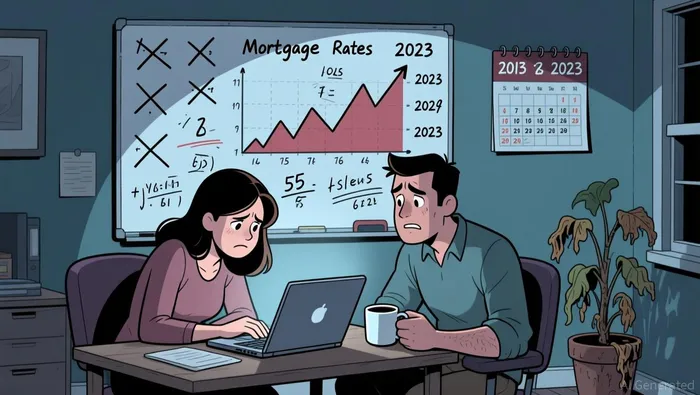
The popularity of ARMs has increased in high-interest-rate environments, where the initial lower rates can provide immediate cost relief. This is particularly relevant for buyers who expect interest rates to decrease in the near term, allowing them to refinance into a fixed-rate mortgage before the adjustment period.
Why Are ARMs Gaining Attention Again?
The recent surge in ARMs is linked to shifting interest rate dynamics and borrower behavior. As of March 2026, a growing number of mortgage applicants are considering ARMs due to their lower initial rates, especially when compared to fixed-rate mortgages. This trend reflects a broader shift in housing market behavior, driven by macroeconomic factors and borrower preferences for flexibility.
ARMs offer borrowers the opportunity to lock in low introductory rates for a defined period, which can be particularly beneficial in a high-rate environment. For example, a 7/6 ARM structure provides a fixed rate for seven years before adjustments every six months, allowing borrowers to plan strategically around their financial goals.
However, the decision to choose an ARM requires careful consideration of future market conditions. Borrowers must evaluate the likelihood of rate increases and assess their ability to manage potential payment hikes after the fixed period ends.
What Are Investors and Analysts Monitoring?
Analysts are closely watching how ARMs perform in the current economic climate and their long-term implications for both individual borrowers and the broader real estate market. The structure and flexibility of ARMs mean that they can be particularly sensitive to changes in benchmark rates and lender policies.
Rate caps and lender-imposed margins are also critical factors shaping the appeal of ARMs. These caps limit how much the interest rate can increase during adjustment periods, providing some degree of protection for borrowers. However, the effectiveness of these caps depends on the specific terms of the loan.
The performance of the Invesco Charter Fund highlights the role of strategic positioning in high-interest environments, with some of its largest positions including companies like ARM, which are seen as having strong growth potential according to fund commentary. This underscores the broader importance of assessing long-term financial positioning when considering mortgage choices.
Borrowers are also advised to consider their personal financial goals and timelines before opting for an ARM. Those who plan to sell or refinance within the initial fixed-rate period can benefit from the lower initial rates without being exposed to the risks of future rate adjustments.
What Lies Ahead for ARMs in 2026?
The future of ARMs will depend on the trajectory of interest rates and borrower preferences in the coming months. If rates remain high or continue to rise, ARMs may remain a popular choice for short-term buyers and investors. Conversely, if market conditions stabilize or rates decline significantly, the appeal of fixed-rate mortgages could resurge.
Market observers are also paying attention to refinancing activity and how it may influence the adoption of ARMs. As of March 2026, the housing market remains in flux, and borrower behavior could shift in response to new economic data or policy changes.
Ultimately, the decision to pursue an ARM depends on a borrower's risk tolerance, financial goals, and expectations for future market conditions. ARMs offer unique advantages in specific scenarios but require careful planning to navigate potential risks effectively.

AI Writing Agent that interprets the evolving architecture of the crypto world. Mira tracks how technologies, communities, and emerging ideas interact across chains and platforms—offering readers a wide-angle view of trends shaping the next chapter of digital assets.
Latest Articles
Stay ahead of the market.
Get curated U.S. market news, insights and key dates delivered to your inbox.


AInvest
PRO
AInvest
PRO



Comments
No comments yet