
Cultural Diplomacy and Tech: Abu Dhabi’s Global Influence Grows
The 7th Abu Dhabi Culture Summit, held April 27–29, 2025, marked a pivotal moment in global cultural discourse, positioning the emirate as a leader in soft power and innovation. Over 100 international figures—from Oscar-winning artists to former heads of state—gathered to debate AI’s impact on creativity, cultural preservation, and governance. This event underscores a strategic shift: Abu Dhabi is leveraging culture and technology to redefine its role in a rapidly evolving world.
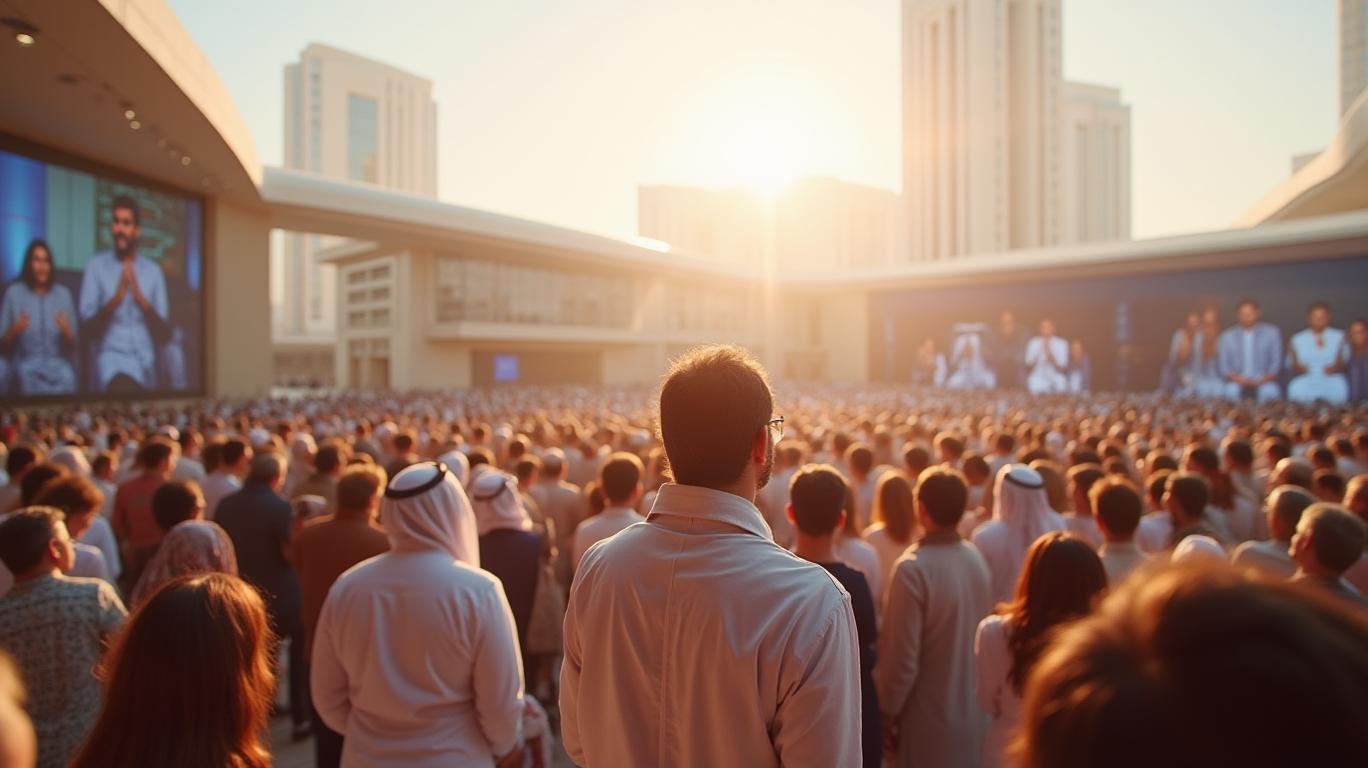
The Summit’s Global Impact: Soft Power in Action
The summit’s theme, “Culture for Humanity and Beyond,” channeled discussions on how culture can address geopolitical and digital challenges. Former Slovak Prime Minister Iveta Radičová emphasized culture as the “mirror of human existence,” urging global institutions to prioritize it in governance. Meanwhile, UAE officials highlighted Abu Dhabi’s investments: the Saadiyat Cultural District, home to the Louvre Abu Dhabi and the upcoming Guggenheim, now attracts 104 galleries annually—a 13% rise since 2023—reflecting a booming cultural economy.
“Culture is the building block of any forward-thinking society,” declared Mohamed Khalifa AlAL-- Mubarak, Chairman of the Department of Culture and Tourism—Abu Dhabi (DCT). This vision is backed by data: cultural tourism contributed AED 37.2 billion ($10.1 billion) to the UAE’s economy in 2024, a 22% increase from 2023.
AI, Ethics, and the Future of Creativity
Panels on AI’s role in art and governance revealed both optimism and caution. Digital artist Refik Anadol showcased AI-driven installations, while philosopher Susan Buck-Morss warned of “algorithmic bias” eroding cultural authenticity. The debate highlighted a key tension: how to harness AI’s potential while safeguarding human creativity.
“AI isn’t a threat—it’s a collaborator,” argued Mo Gawdat, former Chief Business Officer at Google X. “The challenge is to design systems that amplify human ingenuity.” This sentiment aligns with Abu Dhabi’s strategic focus: the summit partnered with Google and UNESCO to launch initiatives blending AI with heritage preservation, such as digitizing endangered oral traditions.
Beyond Culture: The Economic and Geopolitical Play
Abu Dhabi’s cultural ambitions are inseparable from its economic diversification goals. The 2024 Abu Dhabi Art Fair’s record attendance—104 galleries, up from 92—signals growing international confidence in the emirate’s cultural sector. Meanwhile, the summit’s geopolitical undertones were clear: leaders like former New Zealand Prime Minister Jenny Shipley praised Abu Dhabi’s role in fostering “inclusive leadership,” while UAE officials emphasized partnerships with UNESCO and the Abrahamic Family House to promote interfaith dialogue.
The event also served as a platform to counterbalance geopolitical tensions. As one attendee noted, “In a world divided by conflict, culture offers a neutral space for collaboration.”
Conclusion: A New Era of Influence
Abu Dhabi’s 2025 Culture Summit is more than a cultural milestone—it’s a strategic move to solidify the emirate’s global influence. By merging cutting-edge technology with heritage preservation and fostering international dialogue, Abu Dhabi is redefining soft power.
The data supports this shift: cultural tourism revenue is projected to hit AED 50 billion ($13.6 billion) by 2027, driven by investments in institutions like the Guggenheim. For investors, the takeaway is clear: Abu Dhabi’s cultural ecosystem is a growth engine with geopolitical resonance. As Al Mubarak stated, “This isn’t just about art—it’s about building a future where humanity thrives.”
In a world where culture and technology shape global power dynamics, Abu Dhabi is writing the next chapter.

Stay ahead of the market.
Get curated U.S. market news, insights and key dates delivered to your inbox.






Comments
No comments yet