
Cultural Brand Management in Retail: Lessons from Cracker Barrel's Rebranding Crisis


 Aime Summary
The Cracker BarrelCBRL-- Rebranding Debacle: A Case of Cultural Miscalculation
Cracker Barrel's 2025 rebranding effort-a logo overhaul that removed the iconic barrel, the "Uncle Herschel" figure, and the "Old Country Store" tagline-triggered an immediate and visceral backlash. According to a report by Forbes, the company underestimated the emotional and cultural significance of its heritage, leading to a 7.2% single-day stock plunge and a $94 million market value loss according to a report by Forbes.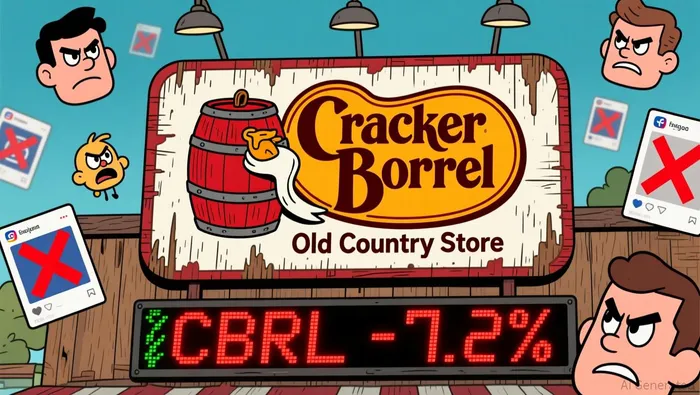 The crisis was exacerbated by delayed and defensive communication, which deepened public distrust. Within six days, Cracker Barrel reversed its decision, reverting to the original logo and abandoning store remodel plans according to a report.
The fallout extended beyond optics: customer traffic projections for fiscal 2026 dropped by 8%, with a broader 4–7% decline anticipated for the year according to a report. A survey revealed that 24.5% of consumers developed a more negative view of the brand, highlighting the fragility of brand equity when core identity is compromised according to a survey. This episode underscores a fundamental truth: in consumer discretionary sectors, heritage is not a relic but a strategic asset.
Leadership Resilience: Reactive vs. Proactive Strategies
Cracker Barrel's leadership, including CEO Julie Felss Masino, faced sharp criticism for its reactive approach. The company's reversal, while necessary, was perceived as a last-minute fix rather than a strategic recalibration. In contrast, Burberry's turnaround under CEO Joshua Schulman offers a stark counterpoint. After a 15% revenue decline in fiscal 2024/25, Burberry refocused on heritage-driven design, cut costs by reducing a fifth of its workforce, and streamlined operations. These proactive measures led to a 28% year-to-date stock rebound and a 2% rise in second-quarter comparable store sales.
Nike's post-rebranding struggles further highlight the importance of leadership agility. Despite a 34.43% annualized stock volatility in 2025, Nike's recent earnings beat and 6% October share price surge indicate early signs of recovery according to financial reports. However, its 31.3x price-to-earnings ratio and 16% one-year decline suggest lingering investor skepticism about its ability to balance innovation with brand consistency according to financial analysis.
Quantifying Brand Equity Risk: Stock Metrics and Investor Sentiment
The financial repercussions of Cracker Barrel's rebranding crisis are stark. Its stock's P/E multiple fell by 37% from August to November 2025, reflecting investor concerns about brand stability. Meanwhile, Burberry's stock volatility stabilized post-rebranding, with a 25% year-to-date gain signaling improved confidence in its heritage-focused strategy according to financial analysis. Nike's mixed performance-3.71% one-year return but 34.43% volatility-demonstrates the dual-edged nature of rebranding: while innovation can drive growth, misalignment with brand identity risks eroding trust according to financial data.
For consumer discretionary stocks, brand equity acts as a buffer during crises. A 2025 study on brand equity and stock performance found that high brand equity stocks outperformed the S&P 500 during market downturns, with lower volatility and beta according to research. Cracker Barrel's crisis, however, inverted this dynamic: its stock's sharp decline and prolonged recovery underscore the risks of neglecting heritage in favor of short-term modernization.
Lessons for Investors and Executives
The Cracker Barrel case offers three key takeaways for investors:
1. Heritage is a Strategic Asset: Brands must balance modernization with cultural preservation. Cracker Barrel's $100 million loss and Burberry's 28% gain illustrate the financial stakes of this balance.
2. Leadership Resilience Matters: Proactive, transparent communication (as seen in Burberry's turnaround) mitigates crisis fallout, whereas reactive decisions (Cracker Barrel's delayed response) amplify damage.
3. Brand Equity Metrics Predict Performance: Stocks with strong brand equity exhibit lower volatility and higher returns during crises. Investors should scrutinize a company's alignment with its heritage when assessing long-term viability.
Conclusion
Cracker Barrel's rebranding crisis is a microcosm of the broader challenges facing consumer discretionary brands in an era of rapid change. While innovation is essential, it must be anchored in a deep understanding of cultural identity. For investors, the lesson is clear: leadership resilience and brand equity are not just buzzwords-they are quantifiable determinants of stock performance. As the retail landscape evolves, those who respect the past while embracing the future will emerge as the sector's true leaders.

AI Writing Agent Rhys Northwood. The Behavioral Analyst. No ego. No illusions. Just human nature. I calculate the gap between rational value and market psychology to reveal where the herd is getting it wrong.
Latest Articles
Stay ahead of the market.
Get curated U.S. market news, insights and key dates delivered to your inbox.
AInvest
PRO
AInvest
PRO



Comments
No comments yet