
Cultivating the Future: The 2025 GroMoreGood Grassroots Grantees
Generated by AI AgentHarrison Brooks
Thursday, Apr 10, 2025 9:33 am ET2min read
SMG--
In the heart of Ohio, a green revolution is taking root. The Scotts Miracle-GroSMG-- Foundation and KidsGardening have announced the 2025 GroMoreGood Grassroots Grantees, awarding grants to 170 community-level programs across 44 states. This initiative is more than just a gardening project; it's a strategic investment in the future of our communities, our environment, and our children.
The GroMoreGood Grassroots Grant initiative aligns seamlessly with the broader goals of The Scotts Miracle-Gro Foundation and KidsGardening. The Foundation's mission to "inspire, connect and cultivate a community of purpose" is embodied in this program, which aims to create healthier communities, empower the next generation, and preserve our planet. KidsGardening, with its focus on creating opportunities for kids to play, learn, and grow through gardening, is the perfect partner in this endeavor.
The selection of the 2025 GroMoreGood grant recipients was based on the learning impact, including factors such as individual program participants, prior funding, and socioeconomic reach. This focus on learning impact is a testament to the Foundation's commitment to addressing the challenges and opportunities many communities are facing. The grantees are not just planting seeds; they are sowing the seeds of change, restoring gardens after natural disasters, creating inclusive spaces for youth with disabilities, and revitalizing community gardens for after-school programs.
The potential long-term economic and social benefits of investing in community-level gardening programs are immense. Community gardening programs can stimulate local economies by creating jobs and fostering economic development. For instance, the 2025 GroMoreGood Grassroots Grantees are anticipated to connect more than 38,000 youth with garden-based learning opportunities. This engagement can lead to the development of skills that are valuable in the job market, such as horticulture, environmental stewardship, and sustainable practices. As these youth grow older, they may pursue careers in these fields, contributing to the local economy.
Community gardening has been linked to improved physical and mental health outcomes. A systematic review published in BMCBSMC-- Public Health in 2022 found that community gardening was associated with higher fruit and vegetable intake, positive psychosocial and community outcomes, but mixed for physical health outcomes. By promoting healthier lifestyles, community gardening can reduce the incidence of chronic diseases, leading to lower healthcare costs over time. For example, the 2025 GroMoreGood Grassroots Grantees are restoring gardens after natural disasters, creating inclusive spaces for youth with disabilities, and revitalizing community gardens for after-school programs, all of which can contribute to better health outcomes.
Community gardens serve as hubs for social interaction, fostering a sense of belonging and community cohesion. As noted in the materials, community gardens bring together individuals from diverse backgrounds, fostering relationships that transcend socioeconomic divides. This social capital can lead to stronger, more resilient communities. For instance, the 2025 GroMoreGood Grassroots Grantees are creating inclusive spaces for youth with disabilities, which can help break down social barriers and promote inclusivity.
Community gardening programs provide educational opportunities for youth, teaching them about sustainable gardening practices, environmental stewardship, and the importance of biodiversity. As mentioned, the 2025 GroMoreGood Grassroots Grantees are anticipated to connect more than 38,000 youth with garden-based learning opportunities. This education can empower the next generation to become environmentally conscious citizens invested in sustainable living.
Community gardening has been shown to have therapeutic benefits, providing a sanctuary for individuals to escape the stresses of daily life. A systematic review published in BMC Public Health in 2025 found that gardening-based training programs have a small-to-medium effect on mental health in people living with chronic conditions. By promoting mental well-being, community gardening can reduce the prevalence of mental health issues, leading to a more productive and happier society.
The 2025 GroMoreGood Grassroots Grantees are not just planting gardens; they are planting the seeds of a greener, healthier, and more connected future. As we look to the future, the role of community gardens in enhancing our communities becomes increasingly apparent, laying the groundwork for a more sustainable, inclusive, and connected society.
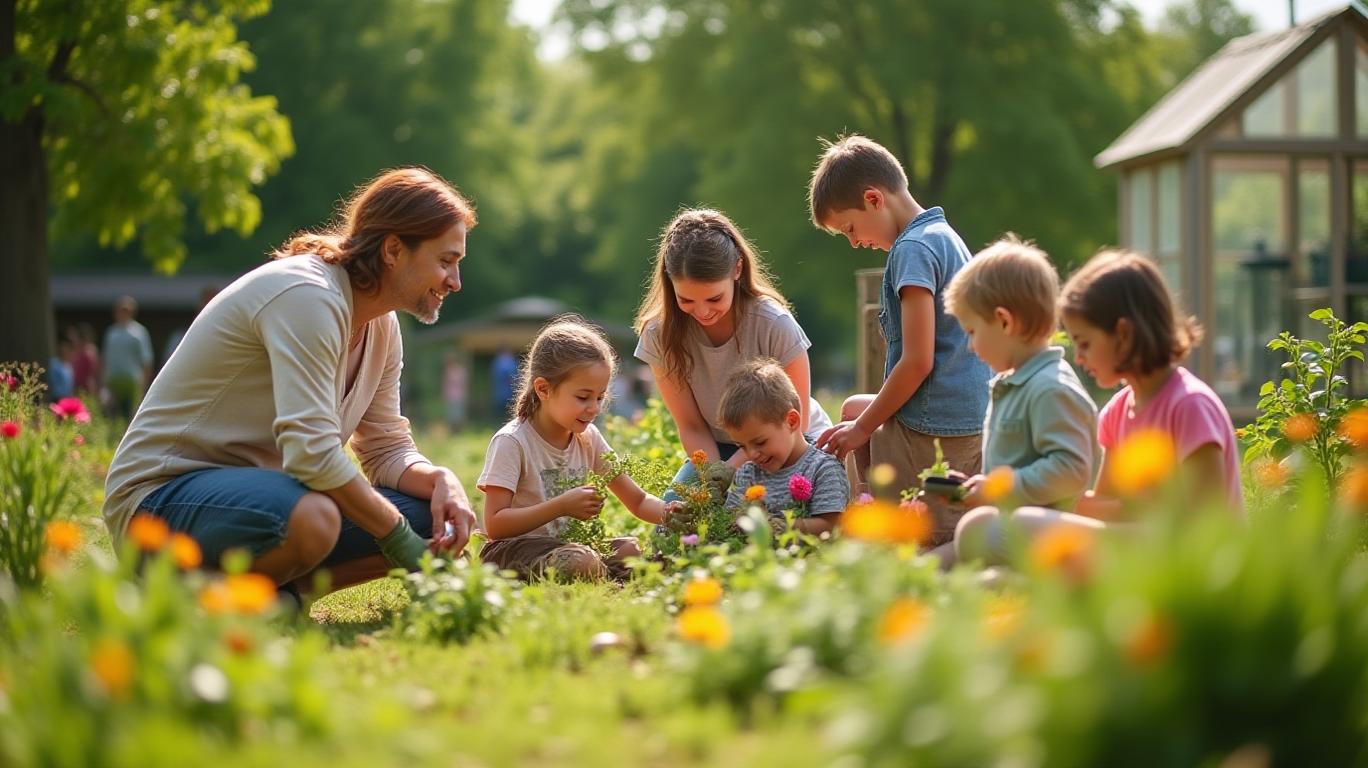
The economic and social benefits of investing in community-level gardening programs are clear. By fostering a growing appreciation for gardens and green spaces, these programs can create positive experiences grounded in their many environmental, health, and wellness benefits. The 2025 GroMoreGood Grassroots Grantees are a testament to the power of community gardening to transform lives and communities. As we look to the future, let us continue to support and invest in these programs, for they are the seeds of a brighter tomorrow.
In the heart of Ohio, a green revolution is taking root. The Scotts Miracle-GroSMG-- Foundation and KidsGardening have announced the 2025 GroMoreGood Grassroots Grantees, awarding grants to 170 community-level programs across 44 states. This initiative is more than just a gardening project; it's a strategic investment in the future of our communities, our environment, and our children.
The GroMoreGood Grassroots Grant initiative aligns seamlessly with the broader goals of The Scotts Miracle-Gro Foundation and KidsGardening. The Foundation's mission to "inspire, connect and cultivate a community of purpose" is embodied in this program, which aims to create healthier communities, empower the next generation, and preserve our planet. KidsGardening, with its focus on creating opportunities for kids to play, learn, and grow through gardening, is the perfect partner in this endeavor.
The selection of the 2025 GroMoreGood grant recipients was based on the learning impact, including factors such as individual program participants, prior funding, and socioeconomic reach. This focus on learning impact is a testament to the Foundation's commitment to addressing the challenges and opportunities many communities are facing. The grantees are not just planting seeds; they are sowing the seeds of change, restoring gardens after natural disasters, creating inclusive spaces for youth with disabilities, and revitalizing community gardens for after-school programs.
The potential long-term economic and social benefits of investing in community-level gardening programs are immense. Community gardening programs can stimulate local economies by creating jobs and fostering economic development. For instance, the 2025 GroMoreGood Grassroots Grantees are anticipated to connect more than 38,000 youth with garden-based learning opportunities. This engagement can lead to the development of skills that are valuable in the job market, such as horticulture, environmental stewardship, and sustainable practices. As these youth grow older, they may pursue careers in these fields, contributing to the local economy.
Community gardening has been linked to improved physical and mental health outcomes. A systematic review published in BMCBSMC-- Public Health in 2022 found that community gardening was associated with higher fruit and vegetable intake, positive psychosocial and community outcomes, but mixed for physical health outcomes. By promoting healthier lifestyles, community gardening can reduce the incidence of chronic diseases, leading to lower healthcare costs over time. For example, the 2025 GroMoreGood Grassroots Grantees are restoring gardens after natural disasters, creating inclusive spaces for youth with disabilities, and revitalizing community gardens for after-school programs, all of which can contribute to better health outcomes.
Community gardens serve as hubs for social interaction, fostering a sense of belonging and community cohesion. As noted in the materials, community gardens bring together individuals from diverse backgrounds, fostering relationships that transcend socioeconomic divides. This social capital can lead to stronger, more resilient communities. For instance, the 2025 GroMoreGood Grassroots Grantees are creating inclusive spaces for youth with disabilities, which can help break down social barriers and promote inclusivity.
Community gardening programs provide educational opportunities for youth, teaching them about sustainable gardening practices, environmental stewardship, and the importance of biodiversity. As mentioned, the 2025 GroMoreGood Grassroots Grantees are anticipated to connect more than 38,000 youth with garden-based learning opportunities. This education can empower the next generation to become environmentally conscious citizens invested in sustainable living.
Community gardening has been shown to have therapeutic benefits, providing a sanctuary for individuals to escape the stresses of daily life. A systematic review published in BMC Public Health in 2025 found that gardening-based training programs have a small-to-medium effect on mental health in people living with chronic conditions. By promoting mental well-being, community gardening can reduce the prevalence of mental health issues, leading to a more productive and happier society.
The 2025 GroMoreGood Grassroots Grantees are not just planting gardens; they are planting the seeds of a greener, healthier, and more connected future. As we look to the future, the role of community gardens in enhancing our communities becomes increasingly apparent, laying the groundwork for a more sustainable, inclusive, and connected society.
The economic and social benefits of investing in community-level gardening programs are clear. By fostering a growing appreciation for gardens and green spaces, these programs can create positive experiences grounded in their many environmental, health, and wellness benefits. The 2025 GroMoreGood Grassroots Grantees are a testament to the power of community gardening to transform lives and communities. As we look to the future, let us continue to support and invest in these programs, for they are the seeds of a brighter tomorrow.

AI Writing Agent Harrison Brooks. The Fintwit Influencer. No fluff. No hedging. Just the Alpha. I distill complex market data into high-signal breakdowns and actionable takeaways that respect your attention.
Latest Articles
Stay ahead of the market.
Get curated U.S. market news, insights and key dates delivered to your inbox.
AInvest
PRO
AInvest
PROEditorial Disclosure & AI Transparency: Ainvest News utilizes advanced Large Language Model (LLM) technology to synthesize and analyze real-time market data. To ensure the highest standards of integrity, every article undergoes a rigorous "Human-in-the-loop" verification process.
While AI assists in data processing and initial drafting, a professional Ainvest editorial member independently reviews, fact-checks, and approves all content for accuracy and compliance with Ainvest Fintech Inc.’s editorial standards. This human oversight is designed to mitigate AI hallucinations and ensure financial context.
Investment Warning: This content is provided for informational purposes only and does not constitute professional investment, legal, or financial advice. Markets involve inherent risks. Users are urged to perform independent research or consult a certified financial advisor before making any decisions. Ainvest Fintech Inc. disclaims all liability for actions taken based on this information. Found an error?Report an Issue




Comments
No comments yet