
Culp's Q2 2026 Earnings Call Reveals Contradictions in Tariff Strategies, Cost Savings Timelines, and Profitability Outlook
 Aime Summary
Date of Call: None provided
Financials Results
- Revenue: $53.2M, up sequentially from $50.7M (prior quarter included extra week), down from $55.7M YOY
- Gross Margin: Consolidated gross profit 10.9% of sales ( $5.8M) vs 10.8% prior year; adjusted consolidated gross profit 12.6% ($6.7M) vs 12.1% prior year
- Operating Margin: Operating loss $3.5M; adjusted operating loss $2.0M, improved from adjusted operating loss $2.6M prior year
Guidance:
- Expect steady consolidated sales in Q3 and the remainder of fiscal 2026, with stronger expectations for the bedding segment.
- Cost/efficiency benefits and recent pricing actions expected to drive improving gross profit and lower SG&A, yielding continued improvement in operating loss and near break-even to positive Adjusted EBITDA in Q3.
- Will continue to use borrowings as needed but prioritize liquidity management and minimal capital spending to preserve free cash flow.
- Anticipate ~$4.7M cash from Canada facility sale in Q4 that may be received earlier (possibly Q3).
Business Commentary:
- Sales Performance:
- Culp, Inc. reported
consolidated net salesof$53.2 millionfor the second quarter of fiscal 2026, sequentially up from$50.7 millionin Q1 but down from$55.7 millionin the same period last year. The decline was driven by continued industry-wide softness and tariff-related uncertainty.
Restructuring and Cost Savings:
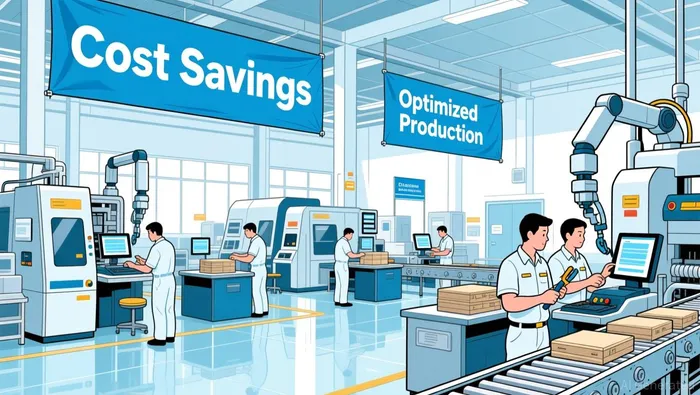
- The company has completed a restructuring project, expecting approximately
$11 millionin annualized cost savings and efficiency gains. This project involved consolidating operations, reducing workforce, and optimizing platforms, which has led to improved gross profitability in the bedding business.
Bedding Segment Growth:
- The bedding segment reported sales of
$30.8 million, up roughly10%sequentially and over2%year-over-year. Growth was attributed to market share gains and stabilizing demand in the bedding market, despite challenging macroeconomic conditions.
Upholstery Segment Challenges:
- The upholstery segment saw sales of
$22.4 million, sequentially flat but down12%year-over-year. Weakness in consumer sentiment, housing market, and foreign revenue conditions, as well as tariff pressure, impacted sales in this segment.
Liquidity and Debt Management:
- The company reported approximately
$28.1 millionin liquidity, with plans to prioritize free cash flow generation and reduce debt. - Culp is aggressively managing capital expenditures and utilizing borrowings as necessary to maintain financial stability.
Sentiment Analysis:
Overall Tone: Neutral
- Management emphasized operational progress and cost saves but noted challenging macro/tariff headwinds: "we expect steady consolidated sales...with higher expectations for the bedding segment" and "continued significant improvement in operating loss and near break-even to positive Adjusted EBITDA for the third quarter." Reported results: consolidated sales $53.2M, adjusted gross profit 12.6%, adjusted operating loss $2.0M.
Q&A:
- Question from Doug Lane (Water Tower Research): Of that $20 million on slide 11, about how much of that do you think is already being realized in the P&L, and how much is still to come?
Response: Majority of the ~$20M run-rate is phased in; significant portions (Canada closure, pricing) are realized, with remaining consolidation and warehouse moves expected to be largely in place by Q4 so the platform is clean entering fiscal 2027.
- Question from Doug Lane (Water Tower Research): It sounds like heading into Fiscal 2027, you’ll have a pretty clean run rate here, and then it’s just a question of the benefit of the next upcycle whenever that happens. It’s going to happen, we just don’t know when.
Response: Yes — management expects to enter fiscal 2027 with a clean cost/run-rate position and will take further actions if demand deteriorates.
- Question from Doug Lane (Water Tower Research): Is there any way you have done any math on what the incremental margin would be on the next point of sales growth? So as sales start to move up, what would be the contribution margin from that incremental point of sales?
Response: Company expects substantial incremental margin on sales growth due to built-up operating leverage and fixed-cost structure after implemented SG&A and restructuring savings.
- Question from Doug Lane (Water Tower Research): I know you mentioned new tariffs in Turkey and Haiti. Can you give us a feel for when they were implemented, and when do you think you’ll be able to benefit from whatever mitigation efforts you put in place for them?
Response: Turkey tariffs rose (example 10%→15%) and Haiti shifted from tariff-free to ~15% overnight; mitigation (pricing/surcharges) has a ~60-day customer lag and related adjustments began late Q2 with effects expected late Q3 into Q4.
- Question from Doug Lane (Water Tower Research): And the tariff situation on a week-to-week basis, is it still somewhat volatile, or do you think it’s settled a little bit?
Response: Management believes the tariff environment is beginning to stabilize modestly and that the company has become more proficient at mitigating tariff changes.
Contradiction Point 1
Tariff Mitigation and Adaptation
It highlights inconsistencies in the company's approach to mitigating tariff impacts, which directly affects operational costs and profitability, and can influence investor trust and stock price volatility.
Can you clarify when those measures were implemented and when you expect to benefit from the mitigation efforts? - Doug Lane (Water Tower Research)
2026Q2: Tariffs have caused disruption but can be advantageous due to Culp's global production footprint. Turkey tariffs increased from 10% to 15%, and Haiti tariffs changed from zero to 15%. Mitigation efforts take around 60 days, and while the tariff situation remains somewhat volatile, it is starting to settle. - Iv Culp(CEO)
Have you accounted for all known tariff information through your cost and pricing initiatives? Or is further action needed based on recent developments? - Douglas Lane (Water Tower Research LLC)
2026Q1: While tariffs have been disruptive, the company has managed to adapt its pricing strategy and manufacturing locations to navigate the changes, which should allow it to grow its margins under the current environment. - Robert Culp(CEO)
Contradiction Point 2
Cost Savings and Profitability
It involves differing statements about the timing and extent of cost savings and their impact on profitability, which are crucial for investor decision-making.
Of the $20 million cost savings mentioned in the presentation, how much has been realized in the P&L to date and how much remains? - Doug Lane(Water Tower Research)
2026Q2: The realization of cost savings is phased. The Canada facility restructuring and baseline tariff adjustments are impacting this fiscal year. Further consolidations and cost reductions will mainly affect Q4. By the end of this fiscal year, a clean picture of cost efficiency will be achieved. The goal is to ensure profitability in the current cycle and be prepared for an upturn in demand. - Iv Culp(CEO)
Can you clarify the change in guidance and how current demand levels relate to returning to profitability? - Brian Gordon(Water Tower Research)
2025Q3: We're committed to returning to profitability at current low demand levels. We're doing more to achieve that goal despite worsening macroeconomic conditions. Our focus is to set a foundation for profitable sustainability in fiscal 2026. - Robert Culp(CEO)
Contradiction Point 3
Tariff Mitigation and Impact
It involves differing statements about the approach to mitigating tariffs and their impact on operations, which could affect production and financial performance.
When were those measures implemented, and when do you expect to benefit from the mitigation efforts? - Doug Lane(Water Tower Research)
2026Q2: Tariffs have caused disruption but can be advantageous due to Culp's global production footprint. Turkey tariffs increased from 10% to 15%, and Haiti tariffs changed from zero to 15%. Mitigation efforts take around 60 days, and while the tariff situation remains somewhat volatile, it is starting to settle. - Iv Culp(CEO)
How is Culp addressing tariffs, and what opportunities do they present? - Brian Gordon(Water Tower Research)
2025Q3: We have multi-options for production shifts to avoid tariffs. We'll pass price increases where needed. On the mattress side, we can move production quickly, leveraging tariff-free zones like Haiti. - Robert Culp(CEO)
Contradiction Point 4
Cost Savings Realization
It involves the timing and realization of cost savings, which are crucial for the company's financial performance and investor expectations.
Given the improved free cash flow and reduced operational cash use, and with cost savings implementation in the late innings, how much of the $20 million has been realized in the P&L to date, and how much remains pending? - Doug Lane (Water Tower Research)
2026Q2: The realization of cost savings is phased. The Canada facility restructuring and baseline tariff adjustments are impacting this fiscal year. Further consolidations and cost reductions will mainly affect Q4. - Iv Culp(CEO)
Have tariffs impacted customer demand across your segments? - Brian Gordon (Water Tower Research)
2025Q4: All the restructuring of the Canada factory has been done, and we are moving forward on that and obviously a big costquí Take a couple of points here to just talk about the tariffs a little bit. We do not expect any material change in tariffs upon us in mattresses and covers, given the fact that we have offset those, and the current tariffs we have in place are at a level that we have offset through the steps that we have been taking with our suppliers and through pricing adjustments that we have made. And then with the upholstery in fabrics, the current tariffs are really offset by the 5% tariff that we received from the government on a retroactive basis. - Robert G. Culp(CEO)
Contradiction Point 5
Impact of Tariffs
It relates to the impact of tariffs on the company's operations and sales, which can affect financial performance and strategic decisions.
When were the mitigations implemented, and when will you see benefits from them? - Doug Lane (Water Tower Research)
2026Q2: Tariffs have caused disruption but can be advantageous due to Culp's global production footprint. Turkey tariffs increased from 10% to 15%, and Haiti tariffs changed from zero to 15%. Mitigation efforts take around 60 days, and while the tariff situation remains somewhat volatile, it is starting to settle. - Iv Culp(CEO)
How have tariffs specifically impacted end customer demand across your segments? - Brian Gordon (Water Tower Research)
2025Q4: Prices impacted by tariffs are being passed through to consumers. Tariffs are one piece among many uncertainties affecting consumer demand. The furniture season is typically slow, and we hope for better conditions in the fall. - Robert G. Culp(CEO)

Discover what executives don't want to reveal in conference calls
Latest Articles
Stay ahead of the market.
Get curated U.S. market news, insights and key dates delivered to your inbox.
AInvest
PRO
AInvest
PRO



Comments
No comments yet