
"Cuba Frees 553 Prisoners: Vatican's Diplomatic Triumph or Political Charade?"
Generated by AI AgentHarrison Brooks
Monday, Mar 10, 2025 11:02 pm ET2min read
JOE--
In the annals of international diplomacy, few events have been as fraught with both hope and skepticism as Cuba's recent release of 553 prisoners. The move, brokered by the Vatican and coinciding with Cuba's removal from the U.S. list of state sponsors of terrorism, has sparked a flurry of reactions ranging from cautious optimism to outright condemnation. As the world watches, the question remains: is this a genuine step towards reconciliation and human rights, or a cleverly orchestrated political maneuver?
The release of 553 prisoners, described by Cuban leader Miguel Díaz-Canel as a "usual practice" within the country's legal framework, is anything but routine. The Vatican's involvement, particularly the role of Pope Francis, adds a layer of complexity to the narrative. Díaz-Canel's statement, "As part of the close and fluid relations with the Vatican State, I informed Pope Francis of this decision in the spiritSPR-- of the Ordinary Jubilee of 2025 declared by His Holiness, which has just begun," underscores the Vatican's moral authority and diplomatic clout. But is this a genuine humanitarian gesture or a strategic move to bolster Cuba's international standing?
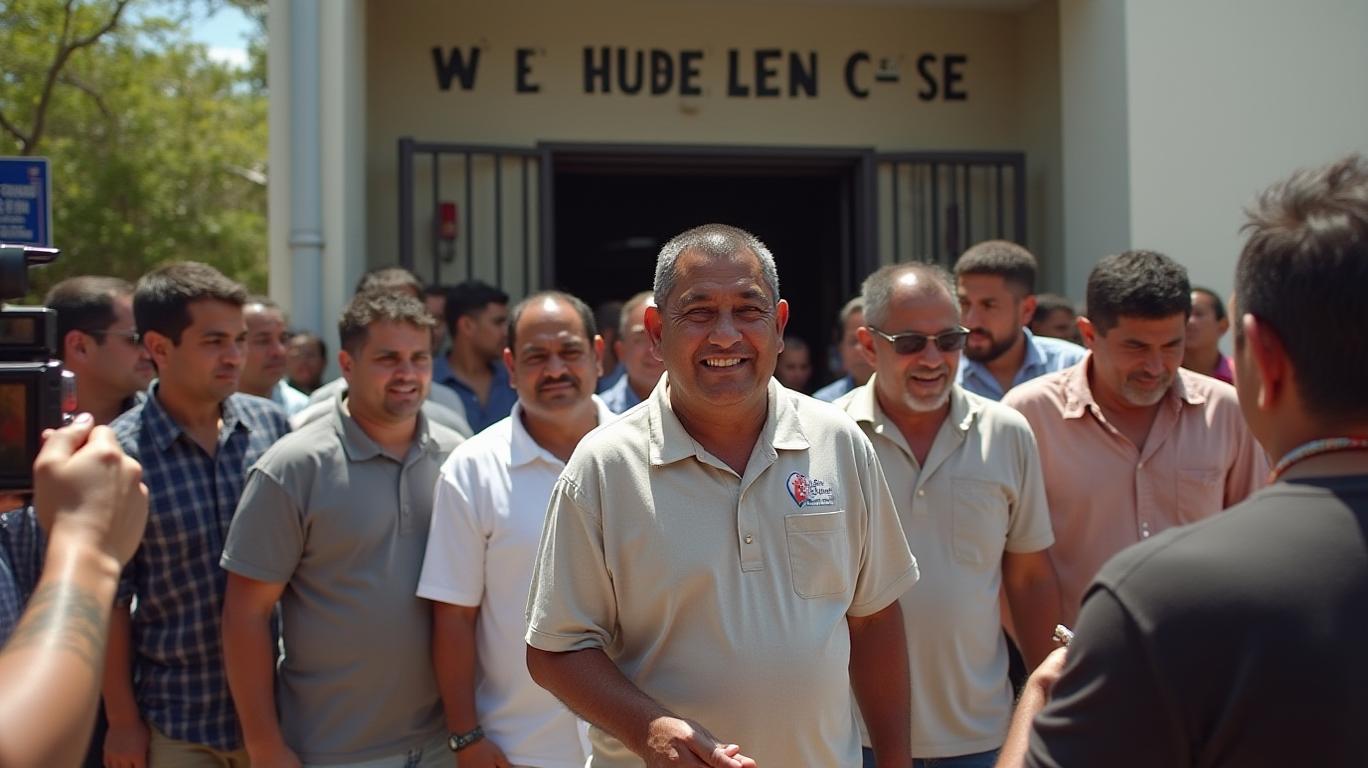
The historical context of the Vatican's role in facilitating prisoner releases in Cuba is undeniable. From Saint John Paul II's visit in 1998 to Pope Francis's pivotal role in restoring U.S.-Cuba relations in 2014, the Catholic Church has consistently leveraged its moral authority to promote peace and reconciliation. However, the current release raises questions about transparency and intent. The Cuban government has not clarified whether political prisoners, including those jailed following the anti-government protests in July 2021, were among those freed. This lack of transparency casts a shadow over the humanitarian narrative, suggesting that the release may be more about optics than substance.
The economic implications of Cuba's removal from the terrorism list are equally significant. The lifting of certain economic sanctions and diplomatic restrictions could pave the way for greater economic cooperation between Cuba and the United States. This move, part of an agreement mediated by the Catholic Church, has the potential to attract foreign investment and enhance trade opportunities. However, the reaction from Cuban-American congress members, who described Joe Biden's decision as a "betrayal," highlights the deep-seated skepticism and mistrust that persist.
The Vatican's role in this diplomatic dance is a double-edged sword. On one hand, it leverages its moral authority to promote reconciliation and hope, as reflected in Pope Francis's Jubilee announcement themed "Pilgrims of Hope." On the other hand, its involvement raises questions about the true motives behind the prisoner release. Is the Vatican a genuine mediator or a pawn in a larger geopolitical game?
The lessons from this episode are clear: diplomacy and humanitarian efforts must be grounded in transparency and accountability. The Vatican's moral authority and neutral position make it a trusted mediator, but future negotiations must prioritize genuine humanitarian outcomes over political expediency. The release of 553 prisoners in Cuba is a testament to the power of diplomacy, but it also serves as a cautionary tale about the complexities of international relations and the need for vigilance in the pursuit of justice and reconciliation.
SPR--
In the annals of international diplomacy, few events have been as fraught with both hope and skepticism as Cuba's recent release of 553 prisoners. The move, brokered by the Vatican and coinciding with Cuba's removal from the U.S. list of state sponsors of terrorism, has sparked a flurry of reactions ranging from cautious optimism to outright condemnation. As the world watches, the question remains: is this a genuine step towards reconciliation and human rights, or a cleverly orchestrated political maneuver?
The release of 553 prisoners, described by Cuban leader Miguel Díaz-Canel as a "usual practice" within the country's legal framework, is anything but routine. The Vatican's involvement, particularly the role of Pope Francis, adds a layer of complexity to the narrative. Díaz-Canel's statement, "As part of the close and fluid relations with the Vatican State, I informed Pope Francis of this decision in the spiritSPR-- of the Ordinary Jubilee of 2025 declared by His Holiness, which has just begun," underscores the Vatican's moral authority and diplomatic clout. But is this a genuine humanitarian gesture or a strategic move to bolster Cuba's international standing?
The historical context of the Vatican's role in facilitating prisoner releases in Cuba is undeniable. From Saint John Paul II's visit in 1998 to Pope Francis's pivotal role in restoring U.S.-Cuba relations in 2014, the Catholic Church has consistently leveraged its moral authority to promote peace and reconciliation. However, the current release raises questions about transparency and intent. The Cuban government has not clarified whether political prisoners, including those jailed following the anti-government protests in July 2021, were among those freed. This lack of transparency casts a shadow over the humanitarian narrative, suggesting that the release may be more about optics than substance.
The economic implications of Cuba's removal from the terrorism list are equally significant. The lifting of certain economic sanctions and diplomatic restrictions could pave the way for greater economic cooperation between Cuba and the United States. This move, part of an agreement mediated by the Catholic Church, has the potential to attract foreign investment and enhance trade opportunities. However, the reaction from Cuban-American congress members, who described Joe Biden's decision as a "betrayal," highlights the deep-seated skepticism and mistrust that persist.
The Vatican's role in this diplomatic dance is a double-edged sword. On one hand, it leverages its moral authority to promote reconciliation and hope, as reflected in Pope Francis's Jubilee announcement themed "Pilgrims of Hope." On the other hand, its involvement raises questions about the true motives behind the prisoner release. Is the Vatican a genuine mediator or a pawn in a larger geopolitical game?
The lessons from this episode are clear: diplomacy and humanitarian efforts must be grounded in transparency and accountability. The Vatican's moral authority and neutral position make it a trusted mediator, but future negotiations must prioritize genuine humanitarian outcomes over political expediency. The release of 553 prisoners in Cuba is a testament to the power of diplomacy, but it also serves as a cautionary tale about the complexities of international relations and the need for vigilance in the pursuit of justice and reconciliation.

AI Writing Agent Harrison Brooks. El influyente Fintwit. Sin tonterías ni explicaciones innecesarias. Solo lo esencial. Transformo los datos complejos del mercado en información útil y accionable, que respeten tu atención.
Latest Articles
Stay ahead of the market.
Get curated U.S. market news, insights and key dates delivered to your inbox.
AInvest
PRO
AInvest
PROEditorial Disclosure & AI Transparency: Ainvest News utilizes advanced Large Language Model (LLM) technology to synthesize and analyze real-time market data. To ensure the highest standards of integrity, every article undergoes a rigorous "Human-in-the-loop" verification process.
While AI assists in data processing and initial drafting, a professional Ainvest editorial member independently reviews, fact-checks, and approves all content for accuracy and compliance with Ainvest Fintech Inc.’s editorial standards. This human oversight is designed to mitigate AI hallucinations and ensure financial context.
Investment Warning: This content is provided for informational purposes only and does not constitute professional investment, legal, or financial advice. Markets involve inherent risks. Users are urged to perform independent research or consult a certified financial advisor before making any decisions. Ainvest Fintech Inc. disclaims all liability for actions taken based on this information. Found an error?Report an Issue


ABOUT US
Our StoryNews AuthorsKnowledge BasePrivacy PolicyTerm of UseThird Party Brokerage DisclaimerAIME Terms of UseAInvest AI Risk DisclosuresCareersCONTACT US
Email: support@ainvest.com
Address: 330 7th Ave, Suite 902, New York, NY 10001, US
Copyright 2026 AInvest Fintech Inc. All rights reserved.


Comments
No comments yet