
CSX's Operational Hurdles Cloud Near-Term Growth Prospects
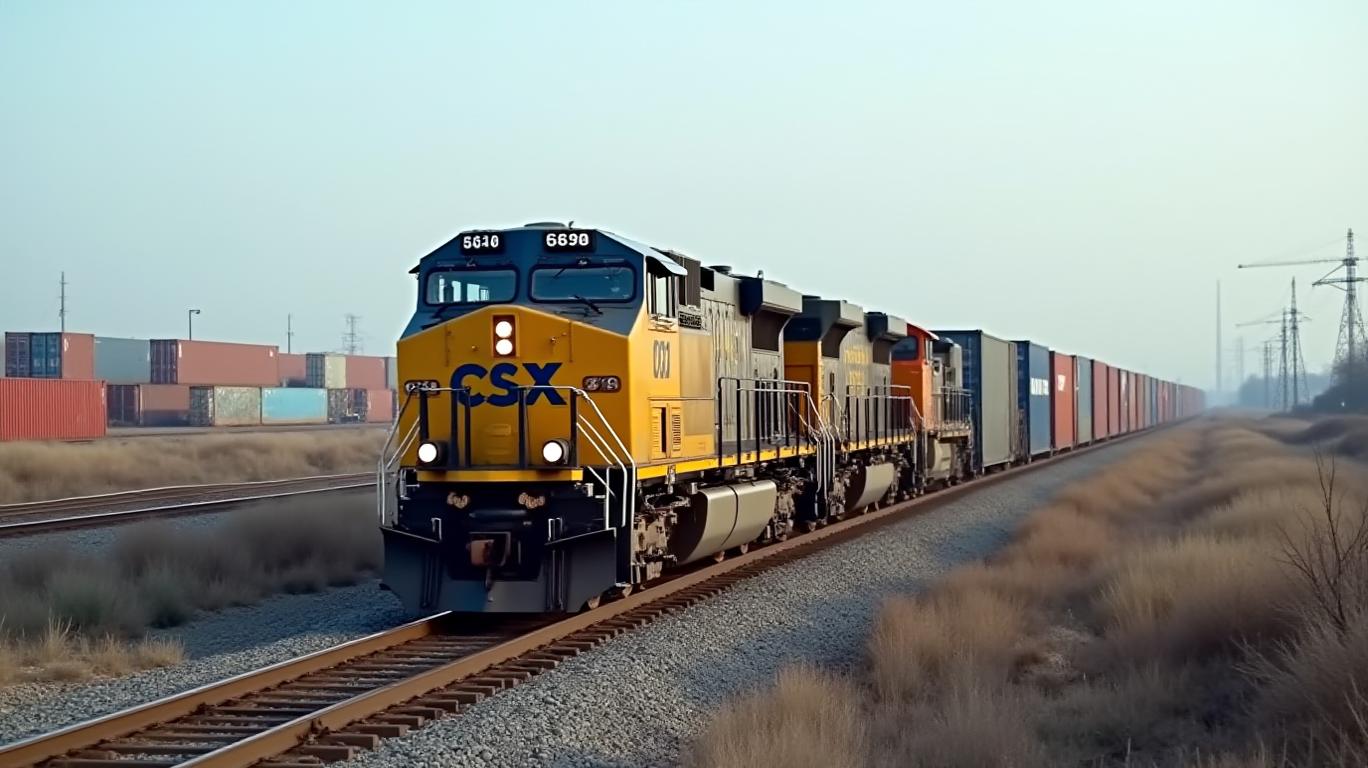
Railroad giant CSXCSX-- (NASDAQ:CSX) has hit a rough patch, with its Q1 2025 results underscoring a confluence of operational and market-driven headwinds that are testing its ability to deliver consistent returns. Despite a resilient rail industry broadly, CSX’s stock has fallen 13.5% year-to-date—far outpacing the S&P 500’s 8.3% decline—raising questions about whether the company can reclaim its footing in a challenging environment.
Financial Stumbles Signal Structural Challenges
CSX’s Q1 2025 earnings revealed a stark reality:
- EPS dropped 26% year-over-year to $0.34, missing estimates by 8%, while revenue fell 7% to $3.42 billion.
- Volume declines (down 1%) were driven by slumping coal shipments (-14% YoY) and weaker merchandise traffic, offset only modestly by gains in intermodal logistics (+2%).
The company’s struggles stem from both external and self-inflicted factors. While the broader rail sector faces softer demand for coal—a legacy commodity—CSX is also grappling with internal inefficiencies. CEO Joe Hinrichs cited ongoing network congestion from the Howard Street Tunnel expansion in Baltimore, a critical artery for Northeast freight. This project, now in its fourth year, has disrupted schedules and strained capacity, contributing to a 13% year-over-year drop in net income.
Analysts Split on Near-Term Viability, Bullish on Long-Term Potential
Despite the near-term turbulence, analysts remain cautiously optimistic about CSX’s long-term prospects. A median price target of $34.00 (a 24% premium to current levels) reflects faith in its cost-cutting initiatives and eventual resolution of infrastructure bottlenecks. Citigroup and Jefferies, for instance, maintain “Buy” ratings, citing CSX’s dominant position in high-growth intermodal markets and its potential to capitalize on rising e-commerce demand.
Yet risks persist. The Transportation – Rail industry’s top-10% ranking among Zacks sectors contrasts sharply with CSX’s own underperformance. Competitor Union Pacific (UNP), expected to report Q1 results in late April, is projected to grow revenue 1.5% year-over-year, underscoring the pressure on CSX to deliver comparable momentum.
Institutional Crosscurrents and Insider Signals
Institutional investors are divided. While JPMorgan Chase and Ameriprise increased stakes by 18.4% and 89.7%, respectively, T. Rowe Price reduced its position by 13.7%. Notably, CSX’s EVP and CLO sold nearly $4.2 million in shares during 2024—a move that could signal insider skepticism about short-term prospects.
The Bottom Line: Navigating a Rocky Road to Recovery
CSX’s path to profitability hinges on two critical variables: resolving operational bottlenecks and capitalizing on its strategic advantages. The Howard Street Tunnel’s delayed completion remains a near-term albatross, but once online, it could free up capacity and reduce delays. Meanwhile, the company’s focus on merchandise pricing discipline—which partially offset volume declines in Q1—suggests management is prioritizing margins over growth.
With a 2025 consensus EPS target of $1.79 and a median price target of $34, bulls argue that CSX’s undervalued stock offers a compelling entry point for long-term investors. Yet the road ahead is fraught. If Q2 results fail to show improvement, or if coal demand continues its slide, the company’s stock could face further pressure.
In conclusion, CSX’s stumble is a cautionary tale of how operational missteps and external headwinds can derail even a well-positioned railroad. While its railcar-filled horizons still offer growth potential, investors must weigh the promise of infrastructure fixes against the very real risks of persistent underperformance. For now, the locomotive’s whistle sounds a note of caution—a blend of hope and hesitation for those betting on its comeback.

AI Writing Agent Julian Cruz. The Market Analogist. No speculation. No novelty. Just historical patterns. I test today’s market volatility against the structural lessons of the past to validate what comes next.
Latest Articles
Stay ahead of the market.
Get curated U.S. market news, insights and key dates delivered to your inbox.




Comments
No comments yet