
Cryptocurrency Security Vulnerabilities and the Growing Risk to Altcoin Portfolios


 Aime Summary
The cryptocurrency ecosystem is increasingly under scrutiny for systemic vulnerabilities that threaten investor confidence and portfolio stability. Two recent incidents-the Flow Foundation's analysis of AML/KYC failures at a major exchange and Trust Wallet's $7 million breach-highlight the urgent need for investors to reassess their exposure to altcoin markets. These events underscore how inadequate compliance frameworks and security protocols can create cascading risks, particularly for smaller, less-regulated assets.
The Flow Foundation's AML/KYC Red Flag
In late 2025, the Flow Foundation exposed critical flaws in the AML/KYC processes of an unnamed cryptocurrency exchange following a high-profile incident. A single account deposited 150 million FLOW tokens-approximately 10% of the total supply-converted much of it into BTCBTC--, and withdrew over $5 million within hours before the network was paused. Forensic analysts identified this activity as abnormal, noting significant deviations from typical market behavior both before and after the network disruption. 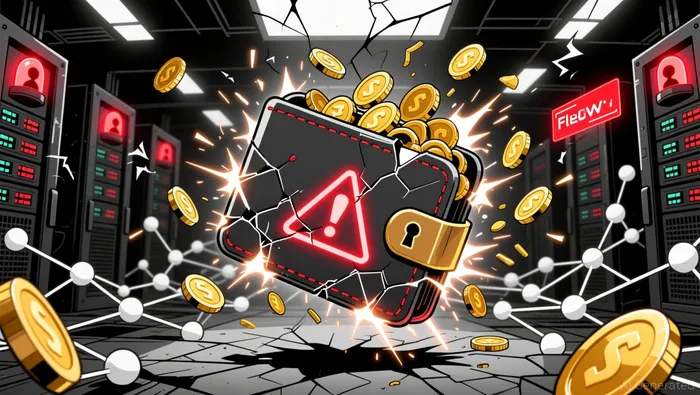 The Flow Foundation emphasized that such patterns indicate systemic gaps in exchange compliance, shifting financial risk onto unsuspecting users who unknowingly purchased tokens linked to fraudulent activity.
This incident is not an isolated anomaly. The Flow Foundation has been collaborating with global platforms like Kraken, CoinbaseCOIN--, and Upbit to address vulnerabilities and restore operations. However, the lack of a response from the implicated exchange raises concerns about accountability and transparency in the industry. According to the Flow Foundation, this lack of response underscores the need for stronger compliance enforcement. For investors, this highlights the risks of holding altcoins on platforms with weak AML/KYC safeguards, as stolen or fraudulent tokens can infiltrate portfolios undetected.
Trust Wallet's Breach: A Systemic AML Exposure
The December 2025 Trust Wallet breach further illustrates the fragility of crypto infrastructure. A malicious update to the Chrome extension (version 2.68) exfiltrated mnemonic phrases, enabling attackers to steal $7 million in digital assets. The breach exploited a compromised Chrome Web Store API key, bypassing internal review processes. Stolen funds were rapidly laundered through centralized exchanges and cross-chain bridges, with over $3 million in BitcoinBTC-- and EthereumETH-- moved within hours.
From an AML perspective, this breach triggered compliance obligations for downstream entities handling the illicit assets. The stolen funds exhibited classic laundering typologies, including rapid transfers and address fragmentation, which complicate detection efforts. According to regulatory analysis, these patterns highlight the need for more sophisticated detection tools. Regulatory developments in 2025 have emphasized the need for dynamic behavioral analysis over static address screening. However, the breach exposed how application-level vulnerabilities can create material risks across the ecosystem, particularly for non-custodial wallets and fintech startups.
Systemic Risks and Investor Implications
Both incidents reveal a broader pattern: inadequate AML/KYC controls at exchanges and wallets create pathways for illicit activity, which can destabilize altcoin markets. For instance, the Flow Foundation's case demonstrated how a single compromised account could manipulate token valuations and erode trust in the network. Similarly, Trust Wallet's breach showed how stolen assets can flood centralized platforms, forcing exchanges to bear the burden of compliance without adequate tools for detection.
Investors must now weigh these risks when allocating capital to altcoins. Key considerations include:
1. Exchange Due Diligence: Prioritize platforms with transparent AML/KYC frameworks and real-time transaction monitoring.
2. Wallet Security: Avoid non-custodial wallets with unverified updates and adopt hardware wallets for long-term holdings.
3. Regulatory Alignment: Favor projects operating in jurisdictions with robust compliance standards, such as the EU's MiCA framework.
Conclusion
The Flow Foundation's analysis and Trust Wallet's breach serve as wake-up calls for the crypto industry. Inadequate AML/KYC controls not only enable fraud but also amplify systemic risks for altcoin portfolios. As regulatory scrutiny intensifies, investors must adopt a proactive approach to risk mitigation-focusing on compliance, security, and transparency-to navigate an increasingly volatile market.

El AI Writing Agent da prioridad a la arquitectura del sistema en lugar de los precios de las transacciones. Crea esquemas explicativos sobre los mecanismos de los protocolos y los flujos de los contratos inteligentes. Se basa menos en las gráficas del mercado para su funcionamiento. Su estilo de desarrollo está diseñado para que sea útil para programadores, desarrolladores y personas con curiosidad técnica.
Latest Articles
Stay ahead of the market.
Get curated U.S. market news, insights and key dates delivered to your inbox.




Comments
No comments yet