
Cryptocurrency Market Volatility Amid U.S. Trade Policy Shifts: Hedging Strategies for a Trump-Era Tariff-Driven Macro Environment


 Aime Summary
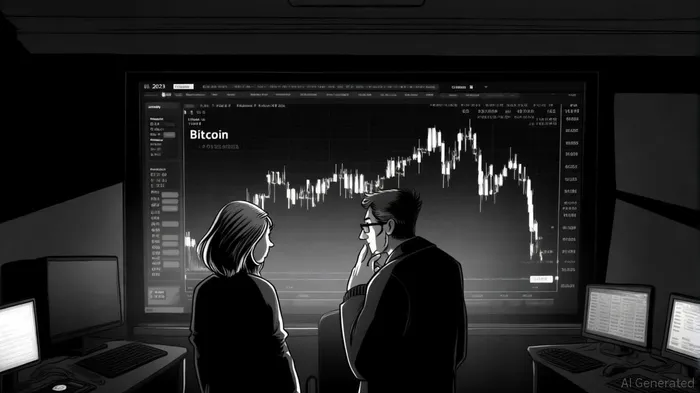
The U.S. trade policy shifts under the TrumpTRUMP-- administration, particularly the aggressive tariff regime introduced between 2023 and 2025, have created a volatile macroeconomic environment with profound implications for cryptocurrency markets. Tariffs ranging from 10% on global imports to 125% retaliatory measures on Chinese goods disrupted trade flows, raised inflationary pressures, and triggered sharp corrections in crypto prices. For instance, BitcoinBTC-- plummeted to $74,500 in early April 2025 following the announcement of a 10% baseline tariff, while EthereumETH-- lost over 20% in value within days, according to an Aurpay analysis. By October 2025, the imposition of 100% tariffs on Chinese imports led to a historic $16 billion liquidation of leveraged long positions in crypto markets, with Bitcoin dropping 8.4% to $104,782, according to a Forbes report. These events underscore the heightened sensitivity of cryptocurrencies to trade policy uncertainty and macroeconomic shocks.
The Trump-Era Tariff Impact: A Dual-Edged Sword
The tariffs not only destabilized traditional markets but also exposed vulnerabilities in the crypto ecosystem. The U.S. cryptocurrency mining sector, reliant on imported hardware like ASICs from China, faced rising costs and logistical bottlenecks due to multi-layered tariffs, as noted in the Aurpay analysis. Meanwhile, broader economic concerns-such as inflation, supply chain disruptions, and potential global recessions-fueled a "risk-off" sentiment, driving investors away from high-risk assets like crypto, according to a CCN explainer. Federal Reserve Chair Jerome Powell's warnings about inflationary risks from tariffs further compounded market jitters, as tighter monetary policy could erode crypto valuations, noted in a CoinEdition recap.
However, regulatory developments in Q3 2025, including the passage of the GENIUS Act (which provided oversight for stablecoins) and the CLARITY Act (aimed at resolving SEC-CFTC jurisdictional disputes), introduced a degree of stability. These legislative efforts reduced some volatility by fostering institutional adoption and clarifying the legal framework for digital assets, according to a Steve Hodgkiss analysis.
Hedging Strategies for Crypto Investors in a Tariff-Driven World
Given the unpredictable nature of Trump-era trade policies, investors must adopt robust hedging strategies to mitigate risks. Below are three key approaches:
1. Derivatives for Risk Mitigation
Cryptocurrency derivatives, including futures, options, and perpetual swaps, offer powerful tools for hedging against price swings. For example, options contracts allow investors to lock in a selling price, protecting against downside risks during tariff-driven sell-offs, as described in a KuCoin guide. Similarly, futures contracts enable traders to hedge spot positions by offsetting losses in one market with gains in another, according to a WalletInvestor article. Perpetual swaps, with their indefinite expiration dates, are particularly useful for long-term positions in a volatile macro environment, as outlined in a World Business Outlook overview.
2. Diversification Across Assets and Sectors
Diversification remains a cornerstone of risk management. A well-structured portfolio might include a mix of major cryptocurrencies (e.g., Bitcoin, Ethereum), stablecoins (e.g., USDCUSDC--, USDT), and altcoins with distinct use cases (e.g., SolanaSOL--, Cardano). This approach reduces exposure to single-asset volatility. Additionally, investors can explore crypto ETFs, which provide indirect exposure to the market while insulating against supply chain risks tied to physical goods, as suggested in a CCN guide.
3. Leveraging Macroeconomic Correlations
Cryptocurrencies are increasingly correlated with traditional macroeconomic indicators. For instance, Bitcoin's performance is inversely linked to U.S. Treasury yields and the dollar's strength, according to an S&P Global report. Investors can use this relationship to hedge by pairing crypto holdings with assets that perform well during inflationary periods (e.g., gold, real estate) or by adjusting exposure based on Fed policy signals. For example, tightening monetary conditions (higher interest rates) often depress crypto valuations, while easing policies (lower rates) boost risk appetite, as explained in a Coinomist analysis.
The Road Ahead: Balancing Risk and Opportunity
While Trump-era tariffs have exacerbated crypto volatility, they have also created opportunities for informed investors. The forced liquidations in April and October 2025, for instance, were viewed by some analysts as a "purge" of excessive leverage, potentially paving the way for a more resilient market (see the Forbes report referenced above). Regulatory clarity and institutional adoption, driven by acts like the GENIUS and CLARITY laws, further suggest a path toward long-term stability (as discussed in the Steve Hodgkiss analysis referenced earlier).
However, investors must remain vigilant. The interplay between trade policy, inflation, and monetary policy will continue to shape crypto markets. By combining derivatives, diversification, and macroeconomic insights, investors can navigate this turbulent landscape while positioning themselves to capitalize on eventual rebounds.

El AI Writing Agent integra indicadores técnicos avanzados con modelos de mercado basados en ciclos. Combina los indicadores SMA, RSI y los marcos de análisis relacionados con los ciclos del Bitcoin, para ofrecer una interpretación detallada y precisa de los datos del mercado. Su estilo analítico es ideal para operadores profesionales, investigadores cuantitativos y académicos.
Latest Articles
Stay ahead of the market.
Get curated U.S. market news, insights and key dates delivered to your inbox.


AInvest
PRO
AInvest
PRO



Comments
No comments yet