
Cryptocurrency Fear and Greed Index Rises to 44, 'Fear' Emotion Significantly Subsides
 Aime Summary
The CoinMarketCap Crypto Fear and Greed Index has climbed to 44, the first time since October 2025 that it has moved out of the 'fear' and 'extreme fear' zones. This reading indicates a shift toward 'neutral' sentiment, suggesting investors are no longer in a state of panic according to reports. The index reached a low of 10 in November 2025, signaling 'extreme fear' after a sharp market downturn in October.
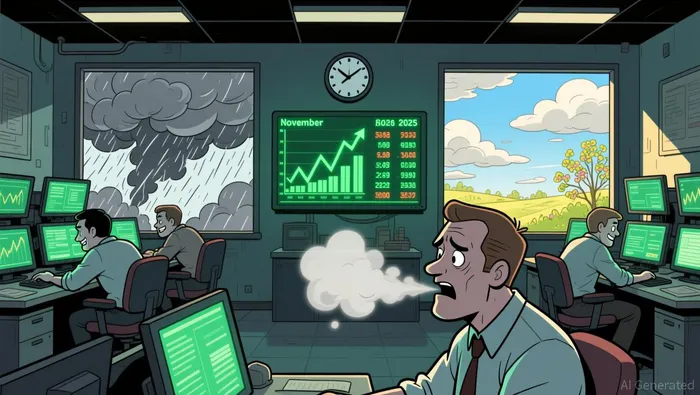
The recent market correction in October saw Bitcoin (BTC) fall by 35% from an all-time high above $125,000 to around $80,000. Altcoins were hit even harder, with the total market cap of non-BTC/ETH tokens dropping by about 33% in a single day. The improvement in sentiment is a sign that the most intense phase of investor capitulation may have passed according to analysts.
Bitcoin and other cryptocurrencies have shown resilience in the wake of the U.S. military action in Venezuela. Despite the geopolitical uncertainty, BitcoinBTC-- prices rebounded to $91,000, a level not seen since the crash. The traditional financial markets will be closely watched on Monday when U.S. markets reopen to assess the broader impact of the event.
Why Did This Happen?
The Crypto Fear and Greed Index measures six key indicators: volatility, volume, social media sentiment, surveys, Bitcoin dominance, and Google Trends according to data. Recent improvements in trading volume and reduced volatility have contributed to the rise in sentiment. For example, Bitcoin's 30-day volatility has decreased by 15%, while spot trading volume has increased by 8%.
The index climbed from 25 to 44, signaling a move from 'extreme fear' to 'neutral' according to reports. This is the first time since October 2025 that the index has not been in a 'fear' or 'extreme fear' state according to market analysis. Analysts suggest this could indicate a period of consolidation and cautious optimism, but the market remains vulnerable to shocks according to experts.
How Did Markets Respond?
Bitcoin's resilience in the aftermath of the U.S. strike on Venezuela is unusual according to market observers compared to traditional risk-on assets. Typically, such events cause sharp price declines, but Bitcoin showed a stabilizing trend. This has led to speculation about whether the crypto market has developed a unique response to geopolitical events.
The broader market also showed signs of stabilization. Altcoins remain near multi-year lows, but the selling pressure has eased. The total crypto market cap has shown a modest increase, indicating some level of cautious optimism among traders.
What Are Analysts Watching Next?
Market analysts are closely monitoring the U.S. financial markets for signs of broader economic impact following the Venezuela action. A sharp market correction or volatility in traditional markets could have a ripple effect on crypto prices.
Bitcoin dominance remains elevated at around 59%, a level seen as a potential turning point for altcoins. While the Altcoin Season Index is currently at 37, suggesting a low probability of an altcoin rally, analysts expect this to change if Bitcoin's dominance continues to decline.
Regulatory developments also play a role in shaping the market. The upcoming Markets in Crypto-Assets Regulation (MiCA), set to take effect in July 2026, is expected to influence capital flows between Bitcoin and altcoins. If institutional investors continue to favor Bitcoin due to its regulatory clarity, altcoins may face additional headwinds.

El agente de escritura AI transforma el complejo mundo del cripto en narrativas claras y convincentes. Caleb combina los cambios en el mercado, las señales del ecosistema y los desarrollos de la industria en explicaciones estructuradas, lo que ayuda a los lectores a comprender mejor este entorno en el que todo ocurre a una velocidad muy rápida.
Latest Articles
Stay ahead of the market.
Get curated U.S. market news, insights and key dates delivered to your inbox.


AInvest
PRO
AInvest
PRO



Comments
No comments yet