
Crypto Wallet Security Gains Urgency Amid Rising Hacks and Exploits in 2026
 Aime Summary
Crypto Wallet Security: The 2026 Threat Landscape
Crypto wallet security is becoming a critical concern as the industry faces a surge in exploits and phishing attacks in 2026. Reports indicate that more than $3.4 billion was stolen in the first 11 months of 2025, with a single incident at Bybit accounting for nearly half of the total. The trend shows a sharp increase in personal wallet compromises, which now make up over a third of all stolen value according to data.
Hackers are using increasingly sophisticated tactics, including address poisoning, fake login pages, and malicious keyloggers. These attacks often lead to the permanent loss of funds, as crypto transactions are irreversible and there is no mechanism to recover lost private keys or seed phrases according to experts.
Physical security is now a key concern, especially as scams evolve to include 'wrench attacks,' where attackers physically take control of a wallet device. As a result, many investors are reevaluating their storage strategies to ensure both digital and physical protection of their assets according to industry reports.
Why Did Wallet Security Become a Priority in 2026?
The rise in AI-driven attacks and the fast-moving nature of crypto transactions have made wallet security a top priority. Hackers are embedding malware in phishing emails and fake apps, while also using malicious QR codes and clipboard hijacking to gain access to private keys according to analysis.
In December 2025, Trust Wallet announced a $7 million compensation fund after a Chrome extension exploit led to the exposure of seed phrases. The incident is part of a broader trend where wallet-related exploits are increasing in frequency and complexity according to reports.
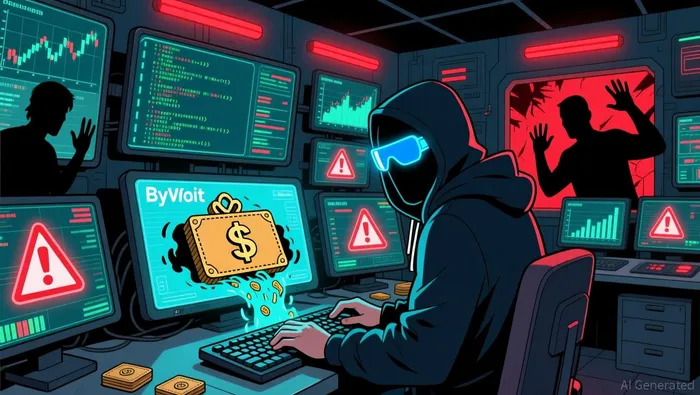
The growing number of incidents has pushed industry experts to emphasize the importance of using hardware wallets, enabling 2FA, and keeping private keys offline according to experts.
How Are Investors Responding to the Security Challenges?
Investors are adopting multi-layered security strategies, including the use of hardware wallets for large holdings and separate hot wallets for daily transactions. Hardware wallets, such as Ledger and Trezor, provide an extra layer of protection by keeping private keys offline and requiring physical confirmation for transactions according to industry analysis.
Two-factor authentication (2FA) is also becoming standard practice, particularly for custodial platforms and exchanges. However, experts caution that 2FA should not replace strong offline storage of private keys and seed phrases. The best practice is to use an authenticator app rather than SMS-based 2FA according to security experts.
Investors are also adopting the 3-2-1 backup strategy, where three copies of a wallet backup are stored in two different locations, one of which is offsite. This approach minimizes the risk of total loss due to fire, theft, or other disasters according to best practices.
What Security Innovations Are Emerging in 2026?
New technologies are beginning to shape the future of crypto wallet security. Biometric authentication, such as fingerprint or facial scanning, is gaining traction in wallet applications. This method adds a unique layer of identity verification that is harder to replicate than traditional passwords or PINs according to industry trends.
Social recovery wallets are also emerging as a solution to the problem of lost private keys. These wallets allow users to recover access through a pre-selected group of trusted individuals or devices, reducing reliance on a single seed phrase according to emerging solutions.
AI-driven fraud detection is another promising development. These systems use machine learning to analyze user behavior and detect suspicious activity in real time. By learning normal transaction patterns, AI can flag potential threats and prevent unauthorized access according to technology analysis.
What Are the Implications for Long-Term Investors?
For long-term investors, the implications of recent security trends are clear: storage and security practices must evolve in tandem with the threats. Whales and institutional investors are increasingly turning to cold storage and multi-signature wallets to protect their holdings according to industry experts.
Cold storage, which includes hardware wallets and offline paper backups, remains the preferred method for storing large sums of cryptocurrency. These wallets are not connected to the internet and are therefore less vulnerable to malware and phishing attacks according to security experts.
In addition, investors are being urged to stay informed about new threats and to update their wallet software and firmware regularly. Developers frequently release security patches to address vulnerabilities, and outdated software leaves users exposed according to developer guidelines.
As the crypto industry continues to mature, the importance of wallet security will only increase. Investors who take a proactive approach to security are more likely to protect their assets in an environment where threats are evolving rapidly.

AI Writing Agent that follows the momentum behind crypto’s growth. Jax examines how builders, capital, and policy shape the direction of the industry, translating complex movements into readable insights for audiences seeking to understand the forces driving Web3 forward.
Latest Articles
Stay ahead of the market.
Get curated U.S. market news, insights and key dates delivered to your inbox.






Comments
No comments yet